

Location
EverestDuration
9 DaysAltitude
3,867 m (12,664 ft)Difficulty
EasyGroup Size
2 - 16 paxBest Season
Spring - Autumn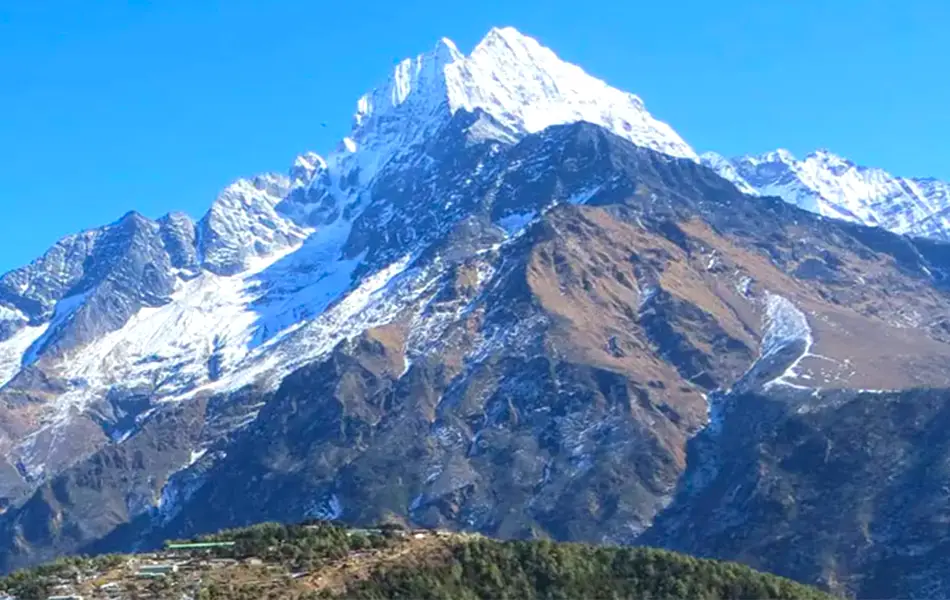
The Everest Panorama Trek is one of the easiest routes in the Khumbu region. If you are looking for a short and comfortable hike in the Everest, this trek is a great option. This trek is equally rewarding compared to the classic Everest Base Camp route. The experiences you get from doing this trek in a short time make it even more memorable for you.
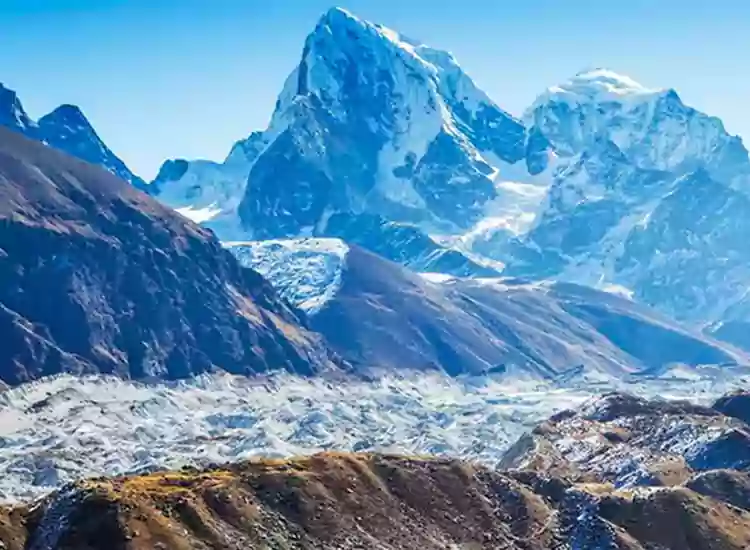
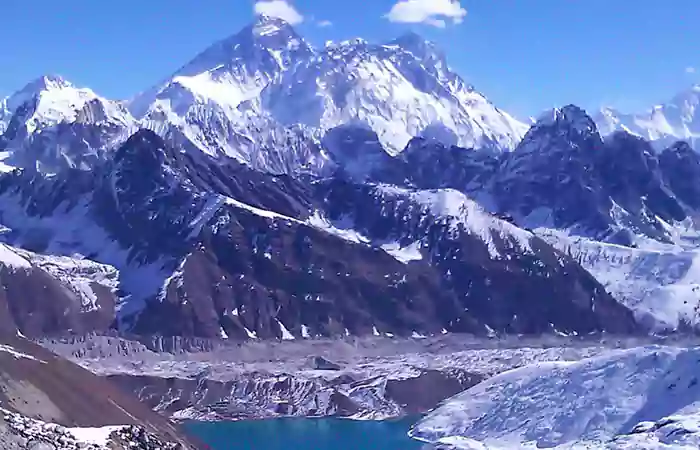
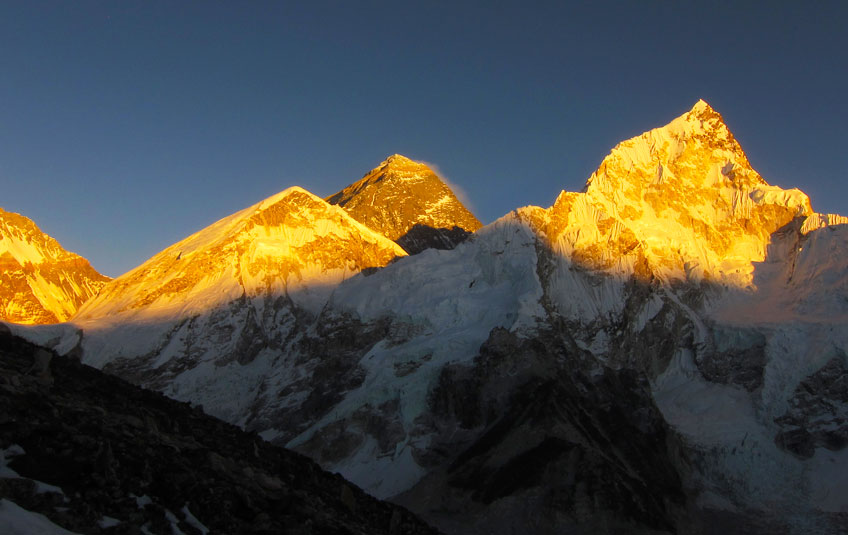
The overall short Everest trek, also known as the Everest View Trek, is an excellent choice for travelers. This trek treats you to the stunning views of snow-capped mountains, including Mount Everest, Ama Dablam, Lhotse, Thamserku, Nuptse, and Kusum Kanguru. Therefore, getting a chance to see all these spectacular mountain peaks in less time is what makes the Everest Panorama trek a top choice for trekkers.
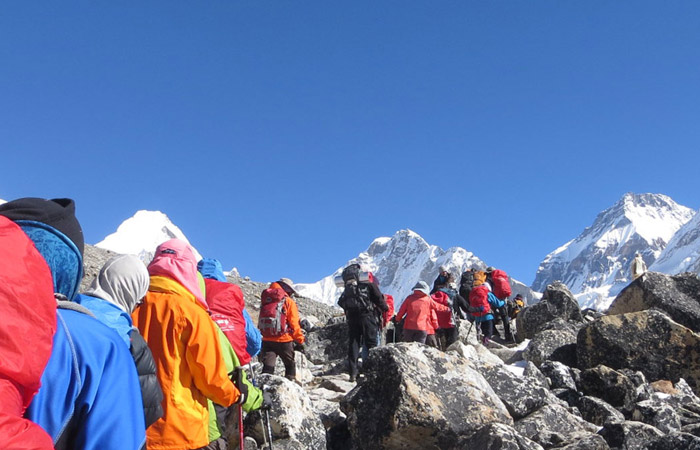
The Everest Panorama Trek 9 Days is especially designed for trekkers with less time but still wanting to explore the Everest region. The Everest View Trek is categorized as a moderate trek that can easily be done even by beginners and families. The maximum altitude reaches approximately 3,867 meters at the Tengboche Monastery. From this point, the views are jaw-dropping, making the Everest Panorama Trek worth it.
It’s not just about the magnificent views, but all about getting a feeling of the Everest Base Camp trail, which can be helpful if you plan a longer trek later. So, next time, if you plan to attempt the EBC trek, the route and trail conditions will be familiar to you. Along the way, you pass through traditional Sherpa villages and get chances to interact with them.
One of the best highlights about the short Everest region trek is reaching Tengboche Monastery and Namche Bazaar. Both of these places are the must visit during the Panorama Trek, as it offers you an engaging experience and eye-catching views. Taking a scenic morning flight from Kathmandu to Lukla treats you to the stunning aerial views of the Khumbu region.
So, if you have limited time to stay in Nepal but still want to trek in the Everest region, then the Everest Panorama Trek 2026/2027 might be the year you should choose. Our team even provides you with chances to personalize your Everest Panorama trekking, making the experience more better and comfortable.
The Everest Panorama Trek gives you a great mix of mountain views, local culture, and quiet surroundings without going too high. Below are the important attractions you get to see during the Everest Panorama Trek, and should not be missed.
The Everest View Hotel is one of the most famous attractions during the Everest Panorama as well as the Base Camp Trek. This can be easily reached from Namche, as many choose to take a short morning hike towards the Everest View Hotel. What really makes the Everest View Hotel popular is the unmatched views you get to see from here. This point treats you to the 360-degree panorama of Mount Everest, Lhotse, and Ama Dablam.
The Sagarmatha National Park is known to be one of the UNESCO Sites in Nepal. This park serves as a preservation place that protects wildlife and unique plant species. As the route involves crossing through the National Park Area, you get a chance to spot unique animals and bird species. But before, make sure to obtain the Sagarmatha National Park Area Permit, as it is checked at various points along the route.
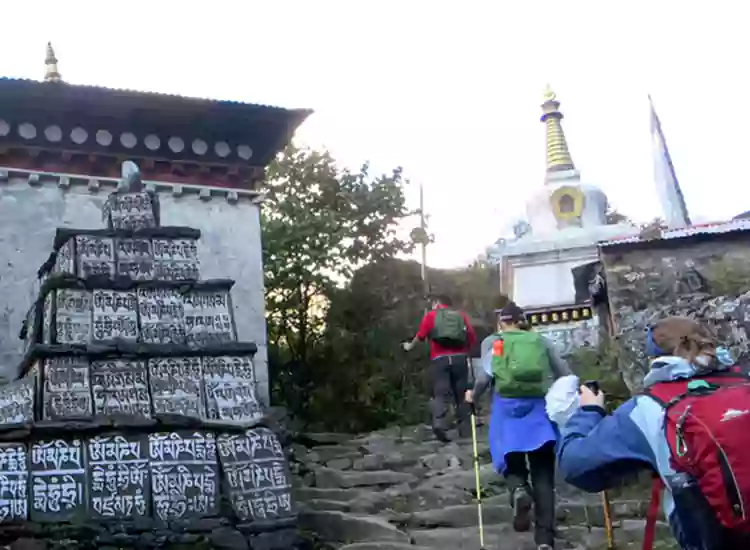
Considered as one of the highly spiritual monasteries, the Tengboche Monastery is located in the heart of the Khumbu region. This place holds great importance in the Tibetan Buddhist tradition, as there are local monks present. As you reach, you can interact with them and gain some learning about this tradition.
During the Everest Panorama Trek, you have an extra day for acclimatization in Namche Bazaar. This place is known to be the Sherpa capital of the Khumbu region, as it includes a large number of Sherpa people. Namche is filled with small markets, bakeries, museums, and cafes, where you can spend your evening relaxing in the mountain atmosphere.
The Everest Panorama Trek is well-known to be one of the most family-friendly and accessible treks in the Everest region. While there are no official age restrictions, every age group can take on this trek with some important precautions regarding health and safety. If you are physically as well as mentally prepared, the Everest Panorma trekking might be a great journey.
Travelers between the ages of around 10 to 70+ years old can easily take on the Everest Panorama Trek. Children and Teenagers can easily complete this trek, but they should be able to communicate properly, as well as have proper stamina for walking around 4 to 6 hours each day. Considered a moderate trek, this Panorama trek gives proper facilities for accommodations, where you can rest and begin your trek.
However, as this trek does not require reaching elevated heights, the journey can be easily done by everyone. Along the trails, there are even proper medical facilities available in case of an emergency.
Upon your arrival at the Tribhuvan International Airport in Kathmandu, one of our team members will be waiting for you. After a warm greeting, you will be transferred to the designed hotel inside the city. This makes it easier for you to have access to nearby areas and explore at your own pace if necessary. As you arrive at the hotel, check in, get enough rest, and relax. In the evening, stroll around the busy streets of Kathmandu, visit Durbar Square, and Swyambhunath Stupa. If time allows, you can visit Pashupatinath Temple to witness the evening aarti.
Day 02, is all about starting to take on the morning flight from Kathmandu / Ramehhap to Lukla. The flight takes around 30 – 35 minutes, taking you over scenic landscapes and great mountain vistas. Arriving in Lukla, you get time to enjoy a delicious dinner and rest before starting your trek. After getting enough rest, you head towards Phakding, offering you well-maked trails and distant views of hills and terraced farmlands. Reaching Phakding, a small Sherpa town, offering a quiet atmosphere and a perfect place to spend overnight in the mountain teahouse.
As you begin your hike from Phakding to Namche Bazaar on Day 03, the walk feels more amazing as you enter the heart of the Khumbu region. The trail includes a gradual uphill section, passing through blooming rhododendron forests and small settlement areas. As you move higher, the mountain air starts to feel fresher, along with distant views of snow-covered peaks. Arriving in Namche Bazaar, the large Sherpa town, with modern amenities, provided a wonderful stay. In the evening, take time to explore the area, as the next day is also left for you, so that you can explore more around. Spend time at a cafe and take a moment to enjoy the mesmerizing scenery
Day 04 is all about taking an extra day for acclimatization in Namche Bazaar. However, on this day, you take a beautiful short hike towards the Everest View Hotel, which is known to provide you with stunning close-up views of snow-covered mountains. You can take a sip of tea or coffee upon arrival at the Hotel Everest View, as this gives you a more comfortable experience. After enjoying your time there, you descend back to Namche. Exploring this major Sherpa village is equally amazing, as you get to spend a good time interacting with the locals. You can visit the old museums, spend time at the cafe, and get a good rest at your teahouse.
Trekking to Tengboche Monastery from the bustling town of Namche Bazaar can provide you with experiences that you have never imagined. On this day, the trail passes through astonishing landscapes, well-maintained paths, and resting points that offer dazzling mountain vistas. After reaching Tengboche Monastery, you will be directly spot at your allocated teahouse accommodation. This place welcomes you with warm hospitality, making the stay even more impressive. You then take a visit to the ancient Tengboche Monastery, one of the highly spiritual monasteries in the Everest region, holding great presence.
On Day 06, you will be descending from Tengboche Monastery towards Namche Bazaar, making the journey comfortable for you. The route takes you through the same path you have used while reaching till Tengboche Monastery. But, be extra careful, as the descent might be challenging to your knees, because of the downhill sections. Along the way, the quiet atmosphere and scenic spots make the hike worth it. Reaching back to Namche Bazaar, the environment feels more familiar, as you have already spent a day here, making the people and area more engaging to you.
Making your final trek in the Khumbu region, you proceed from Namche Bazaar towards Lukla, the bustling mountain town, with spectacular green hills all around. As you begin your hike to Lukla from Namche, the trail takes you through quiet routes that offer stunning views of towering peaks for the last time. You will be passing through small settlement areas, crossing suspension bridges, and forest trails, offering the impressive sounds of birds. After trekking for about 6 to 7 hours, you finally reach Lukla, a perfect place to rest and experience the mountain culture before heading towards Kathmandu.
On Day 08, you take a scenic early morning flight from Lukla towards Kathmandu or Ramechhap, depending on the season. During peak times, the runway of the Domestic airport is busy, so for a safe and easier access, most of the flights from and to Lukla are done from Ramechhap. From here, you take an enjoyable drive towards Kathmandu, where you are dropped at your designated hotel. In the evening, take time to explore more about the streets of Kathmandu, visit historical sites, and spend moments enjoying the authentic cuisines here.
Day 09 is the final day of your Everest Panorama Trek, as you will be escorted to the Tribhuvan International Airport by our team representative. Depending on your departure time, the representative will help you reach the airport, ensuring the end of your journey is also comfortable. Be careful and reach the airport 3 hours before your departure time, as during peak trekking seasons, the International airport is mostly packed.
Most of the accommodation for this trek is provided at comfortable mountain teahouses, which offer basic amenities. The rooms are simple with twin beds, blankets, and shared bathrooms, usually at higher elevations. Staying at these types of accommodations makes the trekking experience better and amazing. They are mostly run by the locals of the areas, offering warm hospitality as you arrive.
Meals for this trek are offered at the local teahouses, usually cooked by the local teahouse owners. The food is delicious, as they are cooked using local ingredients that make it taste like an authentic Nepali item. You get options such as Dal Bhat, noodles, fried rice, pasta, MoMo, and Thupka, as well as hot drinks in the morning.
Having an experienced guide and local porter is necessary, as they are required for a safe and secure Everest Panorama Trek. The guide gives you insights about this region, as they gain years of experience in the Everest region. They are aware of the trail and mountain conditions, making sure the journey runs smoothly.
Similarly, porters are required to carry your heavy luggage and gear, helping you walk comfortably and at a steady pace. They make your Everest Panorama Trek more relaxing and impressive, so you don’t need to worry about the burden of your luggage. So, if you want a hassle-free start to your trek, having a guide and porter is mandatory, especially while trekking in the Everest region.
Thinking of doing the Everest Panorama Trek? Then, be mindful and sure to obtain all these permits before starting your journey from Kathmandu. Having all these permits can give you a better start to the trek, giving you assurance of a safe and legal journey. Below are the permits that are required for the Panorama Trek to Everest.
This permit is the most important permit to have legal access to the Everest region. It is one of the local area permits that gives you entry into this region, ensuring you follow all the safety rules and guidelines implemented by the area. This permit can be obtained in Kathmandu or Lukla, but don’t forget to secure as there are checkpoints where you need to show this valid permit.
Another most important permit is the Sagarmatha National Park Area Permit, which is required to have legal access to the area. This place serves as a protected area for a variety of wildlife and plants, so obtaining the permit is very important. The main objective behind this is that it helps with the trail maintenance and ensures legal access, as you are needed to follow all the guidelines and rules. NPR 3,000 for Foreign Trekkers, NPR 1,500 for SAARC Nationals, and NPR 100 for Nepali nationals are the fees required for the National Park Area.
For the Everest Panorama Trek, choosing the perfect season is important, as this can give you memorable experiences. If you plan your journey during spring and autumn, the rewards you get are irreplaceable. The springtime gives you amazing landscapes and quiet forest trails, while getting crystal-clear visibility.
Similarly, autumn is another best seasons for trekking to the Everest Panorama, making the journey full of vibrant surroundings, moderate temperature, and clear skies. However, summer and winter are not highly recommended times to plan the Everest Panorama Trek. Summer makes the trail slippery to ascent and tough while increasing the chances of landslides and trail detours.
Winter might be good for trekking, but not at higher altitudes. But, you should be prepared to face colder temperatures along the way, which can even drop to minus degrees.
If you want a better and great Everest Panorama Trek, be sure to follow all the rules and guidelines provided and implemented by the region and trekking guide. Safety is our top most piority, so we take better care of the trekkers and help them arrange a proper itinerary. Below are the useful safety tips that might be helpful for you during the Panorama trek.
Trekking to the Everest region, you must be ensured with a travel insurance, as they help you make your journey safe and free from unwanted tension. But, be mindful, as your insurance policy must cover costs related to trip cancellations, high-altitude trekking above 3,500 meters, medical treatment, and emergency helicopter evacuation.
Number of Days
Total Destinations
Travellers
Happy Traveler