
Best trek and great company with all standard camping support, delicious meal and Exploring guide to Kanchenjunga Base Camp, Glacier and Ghunsa villages tour. Great memory of Remote and Natural trek in Nepal

Location
KanchenjungaDuration
24 DaysAltitude
5,143 m.Difficulty
StrenuousGroup Size
2 - 16 paxBest Season
Spring / Autumn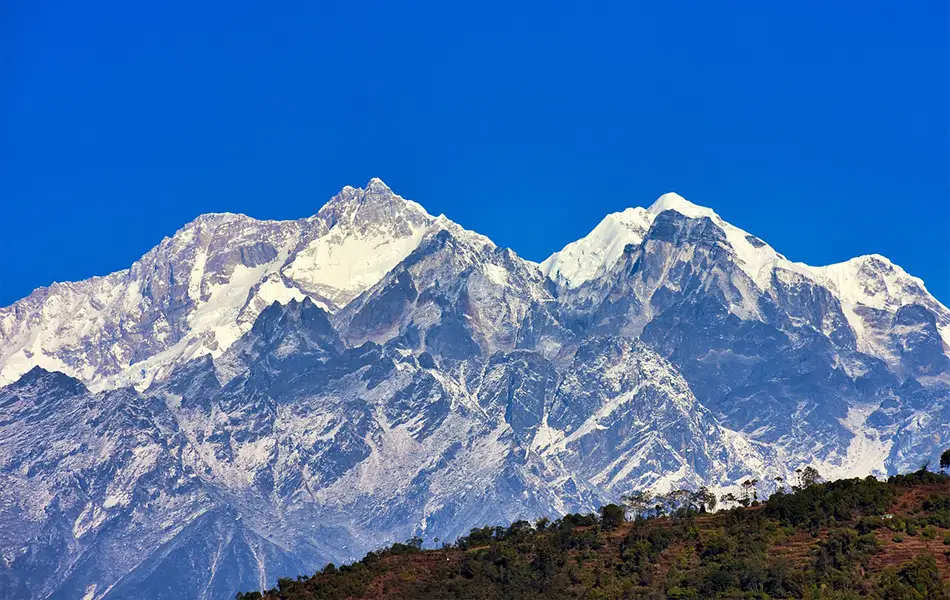
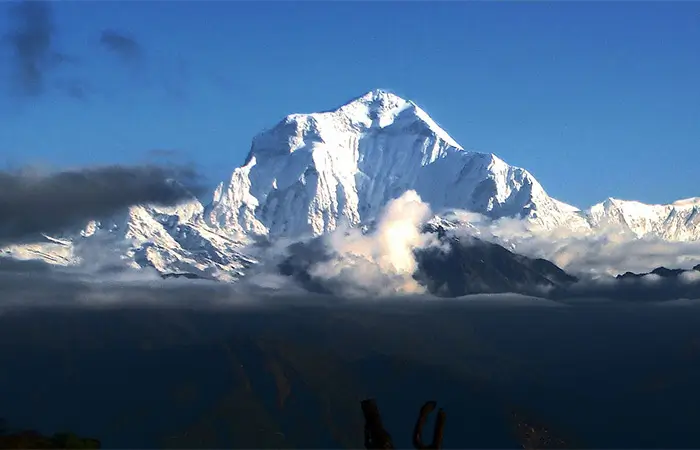
Kanchenjunga Base Camp Trek is a restricted-area trek to the base of Mt. Kanchenjunga (8,586m), the world’s 3rd-highest mountain, through remote eastern Nepal near the Sikkim border — one of the longest and least-touristic trek routes in the country.
Kanchenjunga Base Camp Trek – The 3rd-highest mountain holds the longest trek in Nepal, within the Kanchenjunga Conservation Area. A newly formed remote-area tea house trek in Eastern Nepal.
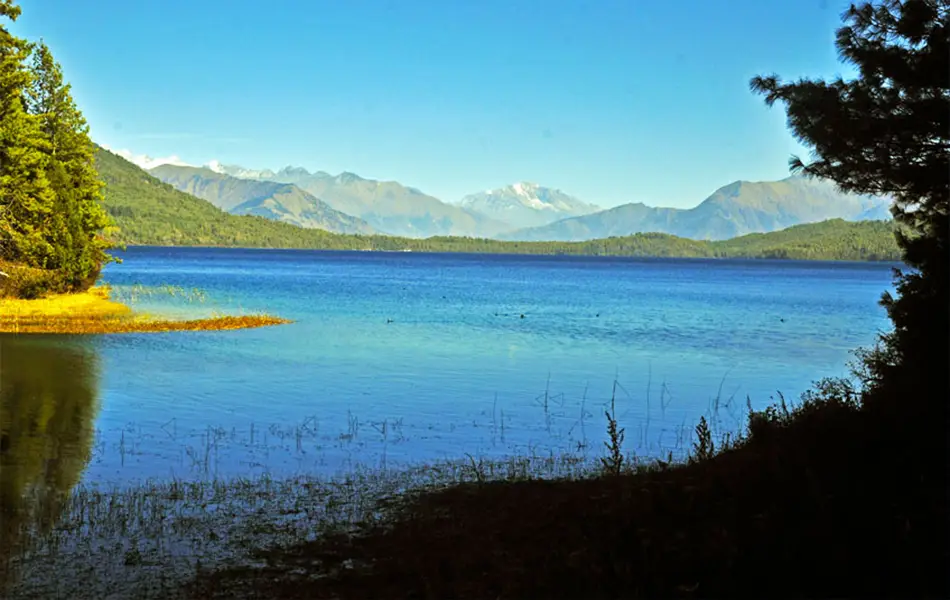
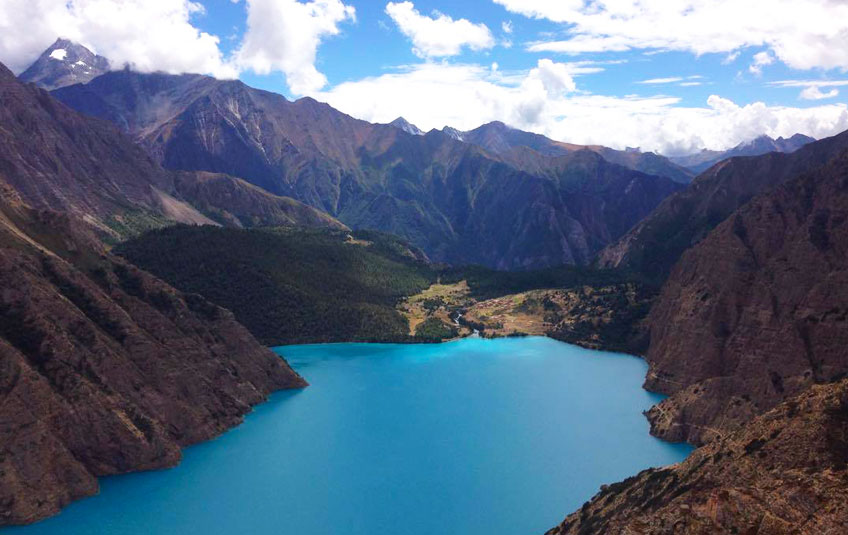
The picturesque Kanchenjunga trekking lies in the eastern corner of Nepal, between the Sikkim border. The outstanding trek for those people who are looking for real wilderness, non-touristic, and to explore the hidden villages. Only a few hundred trekkers join this trek route with the support of a guide, porter, and a special trekking permit from the Nepal Government. The Kanchenjunga trekking route is still able to preserve its respective tradition, culture, and environment, which is best for nature and culture lovers.
The Kanchenjunga Base Camp Trek is a restricted-area trek in far eastern Nepal to the base of Mt. Kanchenjunga (8,586m).The world’s 3rd-highest mountain requiring a licensed guide and special government permit due to its remote, non-touristic location near the Sikkim border.
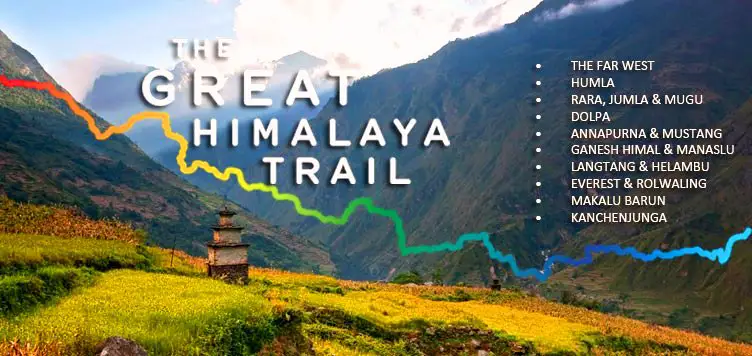
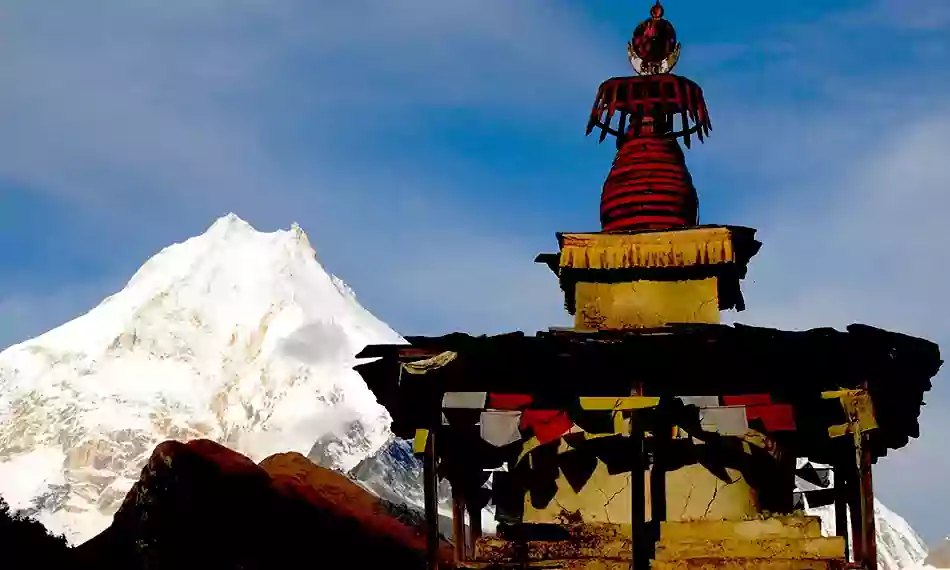
Mt. Kanchenjunga straddles the border between Nepal and Sikkim, India, and its name comes from the Tibetan “Kanchendzonga,” meaning roughly “five treasures of snow”; a reference to the mountain’s five peaks. It was first climbed on 25 May 1955 by a British expedition, and the base camp trek today typically follows one of two routes, or a full circuit combining both: the South Base Camp (Oktang), offering close views of the Yalung Glacier and Jannu (Kumbhakarna) peak, and the North Base Camp (Pangpema), reached via the Ghunsa valley. Trekkers drawn to this scale of remote, multi-week adventure often also consider the Great Himalaya Trail or Makalu Trekking, both of which share similarly wild, far-eastern Himalayan terrain.
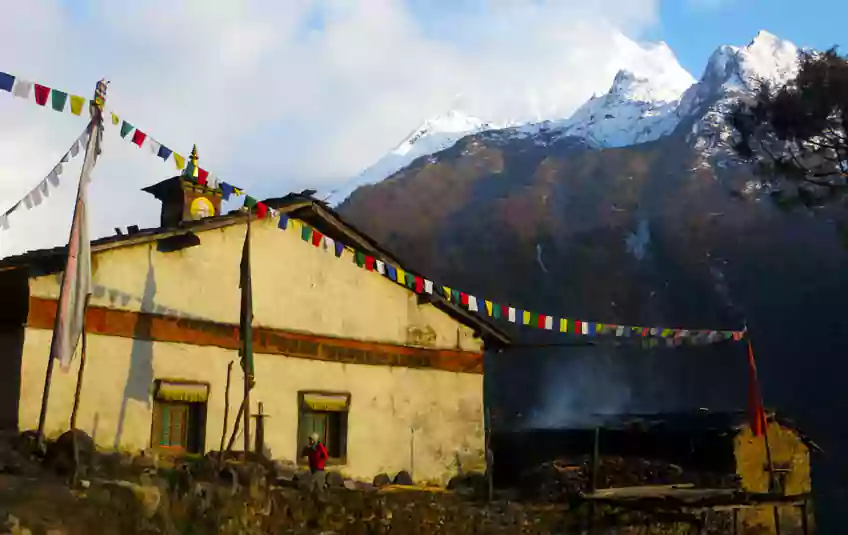
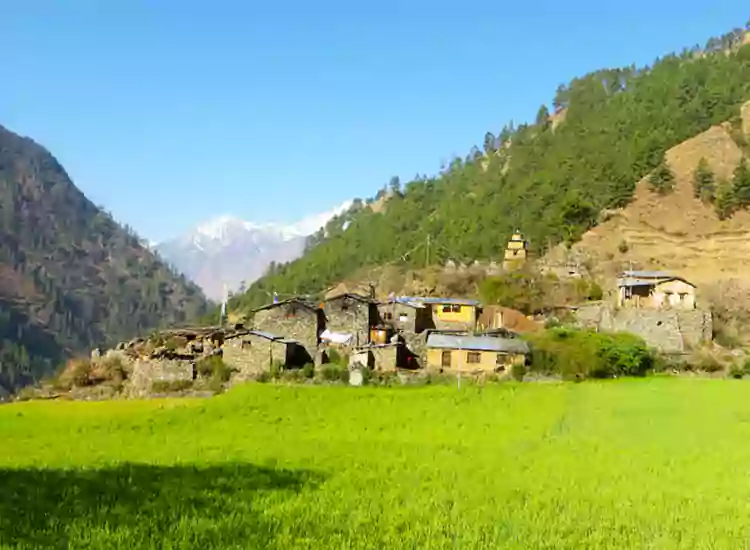
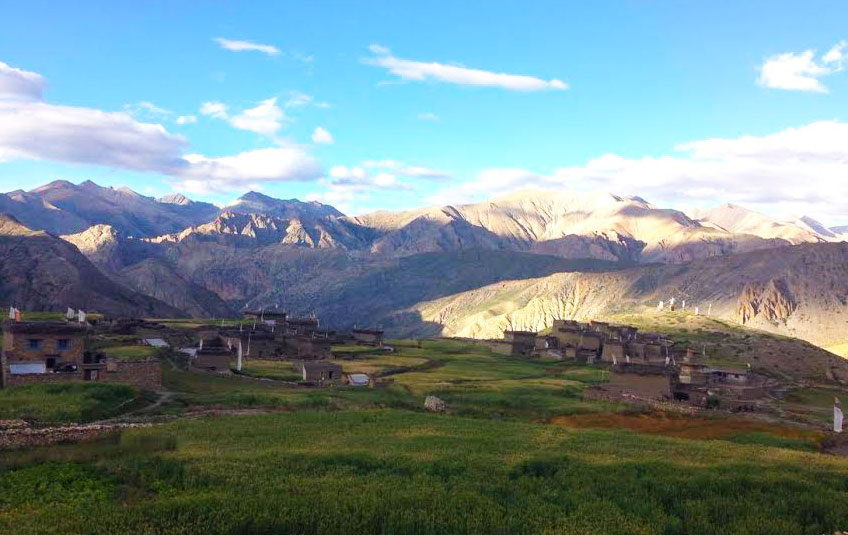
Along the way, the trail passes through villages inhabited by the Limbu and Rai communities, whose culture and traditions remain some of the least altered by outside tourism in Nepal.
Most Kanchenjunga Base Camp itineraries run 18 to 24 days, depending on whether trekkers visit one base camp or complete the full circuit to both the north and south sides. Trekkers who only want to reach one base camp can typically complete the trip in around 16 days, while those combining both base camps with extra acclimatization days may take up to 24–26 days.
Arriving in TIA, meet with our representative and transfer to hotel, then stay and free activities in the evening, welcome dinner.
Easy Morning, a short Kathmandu highlight tours and preparing your permit, you will introduce with your guide and short information about the trek and needy things.
Fly Biratnagar to Suketar (2420m) and trek to Asahangpati. About 3 hours walk and overnight at local family Basic Guest House.
Day 04: From Asahangpati to Chhirwa (1270m) about 6 hours walking and overnight at local guest house.
From Chhirwa to Tamewa (1450m) about 5 hours hike and overnight at local guest house with Dal Bhat.
Trek from Tamewa to Amjilapsa (2308m) about 5 hours walking and overnight at local guest house.
Trek from Amjilapsa to Gyabla (2730m) about 4 hours walk and overnight at local guest house.
From Gyabla to Ghunsa (3595m) about 5 hours walking and overnight guest house.
Trek from Ghunsa to Khambachen (4050m) about 5 hours walking and overnight at local guest house.
Trek from Khambachen to Lo-hanak (4780m) about 4-5 hours walking and overnight at guest house.
Sightseeing to Pangpema and coming back to Lo-hanak about 6 hour walking and overnight at guest house.
Trek from Lhonak to Ghunsa about 8-9 hours walking and overnight at guest house.
Rest day at Ghunsa and overnight guest house.
La Phedi Trek from Ghunsa to Sele La Phedi (4290m) about 5 hours walking and overnight at guest house
From Sele La Phedi over the pass (4836m) to Tseram (3870m) about 7 hours walking and overnight at guest house.
From Tseram visit to Oktang (4620) and return Tseram about 8 to 9 hours walking and overnight guest house.
From Tseram to Tortong (2995m) about 5 hours walking and overnight at guest house.
From Tortong to Yamphudin (2080m) about 5-6 hours walking and overnight at guest house.
Trek from Yamphudin to Phumphe Danda (1858m) about 6 hours walking and overnight at guest house.
Trek from Phumphe danda to Kandebhanjyang (2129m) about 5 hours walking and overnight at guest house.
Trek from Kandebhanjyang to Lalikharka (2265m) about 5 hours walking and overnight at guest house.
From Lalikharka to Suketar (2420m) about 4 hours walking and overnight at guest house.
From Suketar fly late morning to – Kathmandu, overnight at the hotel in Kathmandu. Free and relax.
Free Morning and transfer to Airport or onward destination.
This is one of the more physically demanding treks in Nepal, given its length and remoteness.
According to Nepal Footprint Holiday’s trekking permit guide, most Nepal permits are obtained through the Nepal Tourism Board Office, the Trekking Agencies Association of Nepal (TAAN), or the Immigration Department of Nepal, and must be arranged through a registered trekking agency.
For a restricted region like Kanchenjunga, this typically means:
All permit fees must be paid in US dollars regardless of the currency listed, and applications are submitted through a registered trekking agency along with the required documents.
From March to May and from September to November are considered the best time for Kanchenjunga Base Camp Trek. However, some of the people choose the season and low tourist flow time to walk on the Kanchenjunga Trekking trail, especially for personal interest.
How high is Mt. Kanchenjunga?
Mt. Kanchenjunga stands at 8,586m and holds the longest trek in Nepal within the Kanchenjunga Conservation Area.
Is the Kanchenjunga Base Camp Trek crowded?
No, only a few hundred trekkers join this route each year, supported by a guide, porter, and special trekking permit from the Nepal Government, making it one of the least touristic trekking areas in Nepal.
When is the best time to trek Kanchenjunga?
March to May and September to November are considered the best times, though some trekkers choose the low-season months for a more solitary experience.
Best trek and great company with all standard camping support, delicious meal and Exploring guide to Kanchenjunga Base Camp, Glacier and Ghunsa villages tour. Great memory of Remote and Natural trek in Nepal

Number of Days
Total Destinations
Travellers
Happy Traveler