

Location
EverestDuration
18 DaysAltitude
5,555 meters (18,225 ft)Difficulty
ChallengingGroup Size
2 - 16 paxBest Season
Spring / Autumn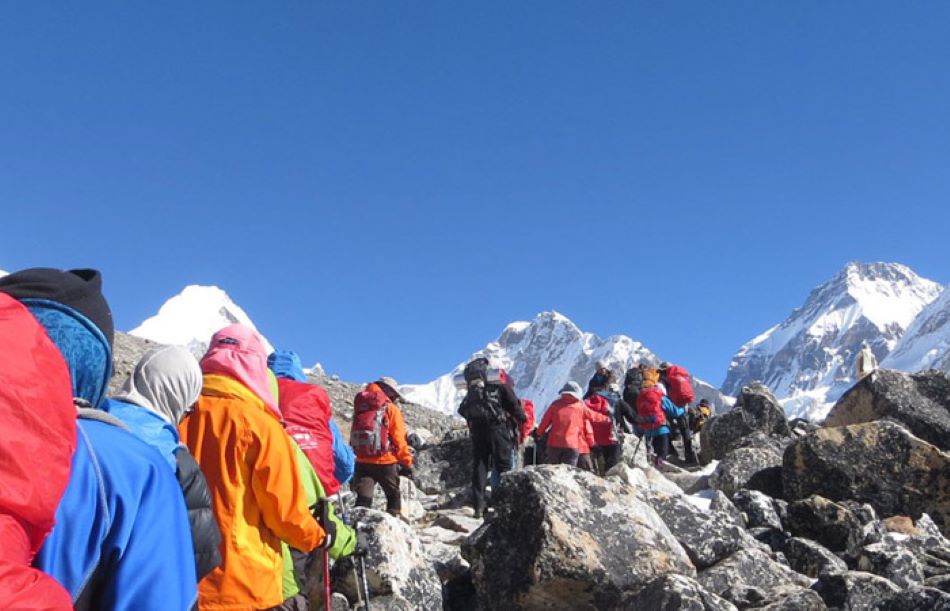
The Everest High Passes Trek is one of the most adventurous trekking journeys in Nepal’s Everest region. This trip is even known as the Everest Three Passes Trek, which makes it a perfect choice for trekkers looking for a unique journey beyond Everest Base Camp. The overall journey traverses high mountain passes, remote valleys, glaciers, Sherpa villages, and some of the world’s best Himalayan views.
During the 18 Days Everest High Passes Trek, you cross the famous three passes, which are above 5,000 meters. This 18 Days trek requires crossing the high mountain passes like Kongma La Pass (5,540 m), Cho La Pass (5,367 m), and Renjo La Pass (5,360 m), which can be challenging for beginners. You even explore major spots such as Everest Base Camp, Kala Patthar, and the turquoise Gokyo Lakes.
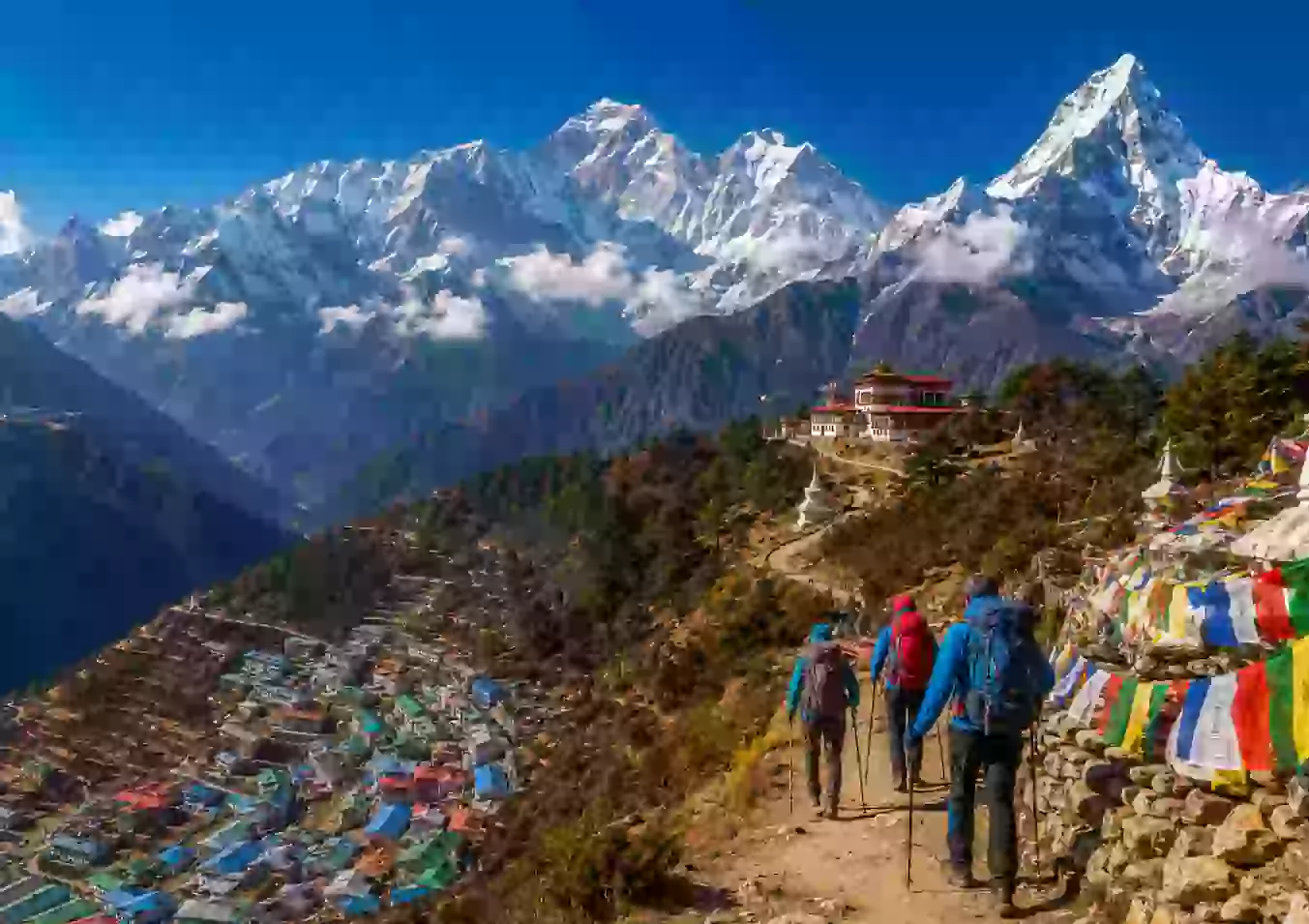
Throughout this High Passes Trek, you pass through traditional Sherpa villages such as Namche Bazaar, Dingboche, Lobuche, and Gokyo. These places are highly influenced by the Sherpa culture, as you get to experience their mountain lifestyle, visit monasteries, and enjoy warm hospitality in the Khumbu region. The journey passes through Sagarmatha National Park, home to forests, rivers, glaciers, and unique Himalayan wildlife.
The classic Everest Base Camp route is easier than the Three High Passes, giving an adventurous experience in this region. This is why it is a good choice for experienced trekkers wanting a high-altitude experience with limited cross and more mountain landscapes. This pass trek is considered the most astonishing part of the Khumbu region, giving a unique perspective of snow-capped mountains as you walk higher.
Overall, the Everest High Pass is great to witness mesmerizing mountain views, cross high mountain passes, and spend time at the quiet alpine Gokyo Lake. The year 2026/2027 is the best time for trekking the Everest Three Passes, offering an amazing once-in-a-lifetime Himalayan adventure. The close-up views of Mount Everest, Lhotse, Makalu, Cho Oyu, and many other snow-covered peaks give a better experience of trekking here.
The 18 Days Three Passes Trek is considered one of the most challenging treks in the Everest region. This is exactly what makes this trip tougher than the classic Everest route, which many experienced trekkers choose to do. The route includes crossing Kongma La Pass, Cho La Pass, and Renjo La, all of which are located above 5,000 meters.
The biggest challenge is the elevated heights, where you need to traverse through uneven paths, rocky trails, and open ridges that get tougher as you go higher. There is even a risk of altitude sickness, tiredness, headaches, and difficulty in breathing. So, to overcome, you need to have proper acclimatization in Namche Bazaar and Dingboche, to help your body acclimatize safely.
Even being a tough trek in the Everest region, it can be done as a beginner with excellent physical fitness, strong determination, and some prior experience. Having some regular walking training, cardio exercise, stair climbing, and leg strengthening exercise is needed to be done before you start your trek.
The Cost for the Everest Three Pass in 2026/2027 is around US$1,800 per person, which is fully dependent on the group size and services you choose to include. At this cost, you get all the services that are required to make your journey to the Everest Passes legal and comfortable.
The price covers your teahouse accommodation, permits, guide, porter, and domestic flights. In the same way, for trekkers who want a private trip and extra comfort, helicopter return, luxury lodges, and top-notch services, the cost can get above US$3,500 per head. This can give you a hassle-free journey from start to end, as well as memories that you cherish for a lifetime.
Extra expenses such as personal items, Wi-Fi, battery charging, hot showers, snacks, drinks, and tips are not included in this cost. If you plan to trek in a group, the cost for the Everest Three Passes may be less than the regular Everest Base Camp trail, as it even gives you safety and better route support.
The Everest High Passes can be done by beginners, but it is not advisable for complete beginners with no hiking or trekking experience. This trek is one of the most difficult routes in the Everest region, as crossing the three mountain passes and long walking days at high altitude make it more tough.
If this is your first trek to Everest, be mentally prepared and gain some experience in hiking, including multi-day treks, to complete the trek easily. Also, be mindful to focus on proper training, as doing regular cardio, stair climbing, running, gym workouts, and practicing short hikes in and around Kathmandu can help you build strength and stamina.
Another challenge to consider is not just the walking distance but the altitude, as you walk for about 5 to 8 hours each day, crossing Kongma La Pass, Cho La Pass, and Renjo La Pass. At such an altitude, the thin air can make the climb more challenging for you, especially if you’re new to trekking here. So, follow the guide instructions as they can help you with a well-planned itinerary and better rest days along the route.
Trekking the Everest High Passes in 2026/2027 can reward with numerous of opportunities to experience the beauty of the Khumbu region. If you plan to do this trip, choosing the team of Nepal FootPrint Holidays can be great to enjoy a memorable journey. Below are the reasons why choosing us can give you an advantage throughout the trek.
On Day 01, you will be arriving at the capital city of Nepal, Kathmandu, where you will land at the Tribhuvan International Airport. There, you will be meeting one of our team representatives, who will give you a warm welcome followed by a hotel transfer to your designated hotel inside Kathmandu Valley. As you reach the hotel, take a moment to rest and recover from your journey, as in the evening you have chances to explore the nearby areas. Kathmandu includes stunning places that must be visited, such as Durbar Square, Pashupatinath Temple, Swayambhunath (Monkey Temple), and Boudhanath Stupa. After exploring these places, you return to your hotel, where our guide will give you a briefing about the trip and how to overcome challenges.
On Day 02, you take a scenic morning flight towards Lukla from Kathmandu, which is a 30-35-minute journey. During your flight, you are treated to some of the mesmerizing views of the snowy Himalayas, which makes your journey worth it. As you land in Lukla, the starting point of the trek towards the Everest region, it offers a perfect place to rest before proceeding towards Phakding.
After having your lunch in Lukla, you begin your walk towards Phakding. The route takes you through small villages and forested paths that feel more peaceful and amazing. As you gain altitude, the trail crosses through beautiful suspension bridges, giving eye-catching views of the Himalayas. Upon reaching Phakding, a perfect place to rest and experience the local lifestyle of the people of the Everest region, located on the Dudh Koshi River.
Trekking from Phakding towards Namche Bazaar includes passing through Monjo, which can give you a more engaging experience in the Everest region. The route takes you alongside the Dudh Koshi River, as on this day, you finally enter the Sagarmatha National Park Area. As you trek from Phakding to Monjo, the walk seems a lot easier, as you get an excellent resting place in small villages, giving a great taste of trekking here.
From Monjo, the trail descends to the river, where you cross the high Hillary Suspension Bridge, with a steep uphill climb towards Namche. Along the way, you can see the breathtaking views of peaks such as Mount Thamserku, Taboche, and glimpses of Mount Everest during clear days.
On Day 04, you have a rest day in Namche Bazaar to acclimatize, as this is a great chance to adjust to the thin mountain air and higher altitudes. Even though this is a rest day for you, you can take a short hike towards the Everest View Hotel, which serves as a perfect viewpoint to catch the stunning vistas of the towering Himalayas. After that, you can walk towards Khumjung and Kunde Village, which is located just above Namche, where you can visit the ancient monasteries.
Enjoy your time in the local cafes, and don’t forget to have proper interaction with the locals of this area. They can provide you with more insights about the place, which can help you gain some ideas and knowledge about the route conditions as well. Be sure to take enough rest and acclimatize properly, as in the coming days you will be getting to higher altitudes.
Making your walk from Namche Bazaar to Tengboche is comparatively easier, as you get to see magnificent views of Ama Dablam, Everest, and Thamserku. The trail descends steeply down to the Dudh Koshi River and stops for a delicious lunch at Phunki Tenga. The journey requires descending through blooming rhododendron and pine forests, alongside the ridge of Tengboche. Upon reaching Tengboche, a famous place to visit and spend time at the Tengboche Monastery, which offers stunning panoramic views of the mountains.
On Day 06, you will trek from Tengboche to Dingboche, taking about 5 to 6 hours as you cross the Imja Khola. Along the way, the trail is well-managed, crossing over Pangboche and Shomare, giving magnificent views of Ama Dablam, Lhotse, and Nuptse. You will be passing through small, stone-walled settlement areas, giving a perfect place to rest at times. As you reach Pangboche, a high-altitude Sherpa village, it gives you an excellent place to acclimatize.
On Day 07, the trek from Dingboche to Chhukung is done, followed by a short hike to Chhukung Ri. Today’s hike is short yet one of the most rewarding ones, as it is more comfortable and rewarding with the stunning views of peaks like Lhotse, Ama Dablam, and Island Peak. As you reach Chhukung, have your lunch and take time to rest before starting your hike to Chuuking Ri. The initial section can be steep and uneven, but the 360-degree vistas make it more amazing to walk.
Trekking from Chhukung to Lobuche on Day 08 requires crossing through the first high-mountain pass called the Kongma La Pass situated at an altitude of 5,540 meters. As you leave Chhukung, the journey passes through steep ascents that are full of prayer flags that flutter in the fresh mountain air. The first ascent to your first mountain pass can be tough at the beginning, as you proceed through uneven trails and open ridges. From the pass, the views are dazzling with close-up views of the surrounding peaks and wide open areas.
From the Kongma La Pass, the descent starts, as it might seem easier at first, but it can be tough if this is your first mountain experience. The route passes through uneven trails, but the route is well-marked, making it easier for you to reach Lobuche. Upon reaching Lobuche, an excellent place to settle in and enjoy the warm hospitality offered by the locals of this area.
On Day 09, you will be trekking towards Everest Base Camp from Lobuche, which is the among the most rewarding parts of your adventure. Today’s walk might be challenging due to the long duration and rocky paths that make it even harder for you. As you move from Lobuche, the route takes you across the Khumbu Glacier, which makes the walk even more engaging and beautiful.
After trekking for about 3 to 4 hours, you reach Gorak Shep, where you stop for lunch before taking your hike towards Everest Base Camp. The path is rocky, sandy, and uneven, traversing through the edge of the Khumbu Glacier, which does not include a technical climb. But the long walk and higher altitude can still make the journey tough and cold, especially in elevated areas. The landscapes are more amazing to see with eye-catching vistas of the surrounding mountains that feel closer to you.
Trekking from Gorak Shep to Kalapatthar includes an early morning hike towards Kala Patthar, which gives a quiet mountain experience. The walk involves crossing steep, uneven, and snowy landscapes and reaching Kalapatthar. From this point, you get to catch the magnificent sunrise views over the snowy Himalayas that feel something you have never imagined.
After spending some time in Kalapatthar, you return to Gorakshep for a hearty breakfast before proceeding towards Dzongla. During your journey to Dzongla, make sure to take frequent breaks, as it will provide you with a more comfortable and easier walk to the Everest region.
On Day 11, you will be trekking towards Thagnak from Dzongla, crossing the second mountain pass, Cho La Pass at around 5,367 meters. Today’s walk includes steep ascents over rocks and glaciers, where high mountain wind and heavy clouds can make the journey tough. So, we begin your trip early in the morning, which can help you avoid high mountain winds and ensure safety.
From Cho La Pass, you are rewarded with the breathtaking panoramic views of peaks such as Cholatse, Lobuche, and Ama Dablam. After spending some moments at the pass, you descend to Thagnak, but be extra careful as the trail tends to be rocky, uneven, and slippery at times. Arriving in Thagnak, after a long, demanding journey, provides a perfect place to rest.
Today is a short yet rewarding trek as you leave from Thagnak and head further to the beautiful Gokyo Valley. The walk passes through the Ngozumpa Glacier, the largest glacier in Nepal, which involves rocky paths and icy sections. As you head to higher areas, the landscapes open up with more mesmerizing vistas of snow-capped peaks. Upon reaching Gokyo, you will be welcomed by the peaceful surroundings of the Gokyo Lakes, with clear blue water and breathtaking mountain views all around.
Today is an important day for acclimatization in Gokyo, as it helps your body to adjust to the high altitude. But on this day, you can take a short morning hike to Gokyo Ri, which is considered one of the best viewpoints in the Everest region. This hike offers a stunning sunrise over the Himalayas, as well as incredible views of the surrounding mountains and the Gokyo Lakes below. From the summit of Gokyo Ri, there are breathtaking panoramic views of major Himalayan peaks such as Mount Everest, Lhotse, Makalu, and Cho Oyu. After spending some time at the top, you descend back to Gokyo for rest and enjoy the peaceful mountain atmosphere.
On Day 14, you will be taking on the most scenic and rewarding days of your Everest High Passes, as you cross the Renjo La Pass. You begin your walk early in the morning from Gokyo, as you follow a steady uphill trail towards the pass. The ascent is challenging, with steep sections and high altitude, which can make the climb a bit tough. From the top of Renjo La Pass, you are treated to one of the finest panoramas in the Everest region, along with the stunning Gokyo Lakes below. After enjoying the views, you descend through a less crowded trail that takes you into the remote valley of Marunlung.
On Day 15, you will be trekking from Marulung to Thame, which is a long but enjoyable descent. The path follows a downhill route along the quiet valley, and over traditional Sherpa settlements and open landscapes. You will first reach the village of Thame, which is popular for its ancient monastery and rich Sherpa culture. During your stay here, you get glimpses of the traditional mountain life, which gives you an authentic experience.
On Day 16, you will have your final day of trekking as you descend from Namche Bazaar back to Lukla. The trail begins with a steep downhill through pine forests and stone pathways, giving you last views of the Himalayan peaks. You will be crossing suspension bridges over the Dudh Koshi River and walking through small settlements that are filled with teahouses and prayer flags. After reaching Phakding, the trail continues towards Lukla, offering a perfect place to celebrate your journey.
Today, you take an early morning flight from Lukla back to Kathmandu, which is short yet gives incredible views of the Himalayan range, green hills, and deep valleys. The flight to and from Lukla depends on the weather conditions, which can even affect your journey. Upon arrival in Kathmandu, you will be transferred to your hotel, where you will rest and enjoy a hot shower. In the evening, explore the city at your own pace and visit the local markets.
Day 18 marks the end of your Everest High Passes Trek, where one of our team representatives will help you with the airport transfer for your final departure. If you have extra time in Kathmandu, you can explore nearby cultural sites, enjoy local food, or do some last-minute shopping. As you leave Nepal, you carry unforgettable memories of crossing high mountain passes, exploring remote valleys, and experiencing the beauty of the Himalayas.
The above itinerary for the Everest High Passes Trek is an outline and can be changed as per the mountain conditions. As reaching elevated heights can involve great challenges, staying flexible is highly recommended for this trip, especially if this is your first experience of Everest. During your trek to the three passes, the weather can be unpredictable, the trail may get damaged, or someone from your group might get ill, so during such conditions, you must stay flexible. Throughout the trek, be mindful and follow the guide’s instructions as they can help you plan your itinerary accordingly.
For the Three Pass Trek to Everest, having an experienced and licensed guide as well as a local porter is strongly recommended. The guide has years of experience in passing through the trails of the Everest region, as they assist with proper navigation, especially at higher areas. They are also important to manage accommodations, permits, and let you have proper interactions with the locals of this region. So, if you want a safe and rewarding trek to the Everest region, having a guide is mandatory for you.
In the same way, a local porter is another important thing to consider, as they help you carry your heavy gear and luggage, ensuring that you can walk comfortably. Another benefit of having them by your side is that they mostly belong to this region, so they even make your journey better and more engaging, as you get to experience their authentic lifestyle.
Accommodation for the Everest High Pass Trek is mostly provided at cozy mountain teahouses that are run by the locals of this region. The rooms are simple and clean with twin beds, blankets, and a shared bathroom, usually at higher altitudes. But, as you gain altitude, the amenities get more basic, so don’t expect the facilities to get advanced during your Everest trek. These teahouses are run by the locals of this region, so they are more secure, safe, and give you a pleasant stay from the start to end of your journey.
Similarly, meals are offered at the teahouses, where you stay overnight. They are prepared using local ingredients that give you an authentic taste of mountain areas, as well as fulfilling food for better sleep. The meals are provided three times a day, which includes breakfast, lunch, and dinner, which gives you enough to keep you energized.
For doing the Everest Three Pass Trek, having proper gear and packing is necessary to stay safe and fully enjoy this mountain adventure. As the journey involves passing through high mountain passes, having all the required items is mandatory, especially as a beginner trekker. Here is the list of gear that is essential for doing the Everest Three Passes.
If you are planning to do the Everest High Passes Trek, obtaining all the necessary permits along with valid documents is necessary. Here are the permits that are needed for this trek, ensuring safe and legal access to the Everest region of Nepal.
One of the most important permits to be obtained is the Sagarmatha National Park Area Permit, which is needed to have legal access to the National Park Area. To do this trek, you need to cross through the preservation area, so it is required for you to secure this permit beforehand. You can get this permit from the Nepal Tourism Board Office in Kathmandu or even the entry park of the national park.
Another most important permit to secure is the Khumbu Pasang Lhamu Rural Municipality Permit, which is a local area permit and was replaced by the TIMS Card in 2018. To have legal and comfortable journey from start to end, be sure you have this permit with you throughout the trek.
Choosing the best time for this trek can play an important role in making your experience of Everest a memorable one if you choose wisely. Many trekkers plan to attempt during spring (March to May) and autumn (September to November), giving you rewarding moments and a safe approach to the Three High Passes. During these seasons, the weather is predictable, the temperature is pleasant, and crystal-clear skies make it easier to witness the stunning mountains that are towering all around you.
If you are an experienced trekker, you can even choose winter (December to February), which gives you fewer trekkers along the trail and views of snow-covered mountains that are beyond your imagination. This time is not for those who don’t gain any experience of trekking in snowy conditions, because of the tough conditions, especially near the three passes.
Summer (June to August) is not recommended because of the tough challenges that can arise during the trek. This season brings heavy rainfall that can block the stunning mountain views, leeches at lower altitudes, and trails get more slippery. So, if you are thinking of trekking to the Everest Three Passes, be sure to choose the ideal time to have better experiences.
Our team’s main focus is on the safety and comfort of the trekkers; therefore, we, the team of Nepal Footprint Holidays tries best to give you experiences that are beyond your imagination. So, here is some useful tips that can help you plan a relaxed journey to the Everest High Passes.
For the Everest High Passes, travel insurance is a must and needs to be done before starting your trek. As the journey requires reaching high mountain passes that are above 5,000 meters, having it can give you peace of mind. But before, make sure your insurance covers high-altitude trekking above 5,000 meters, trip cancellations, medical facilities, and helicopter evacuation.
The High Passes are situated in the Everest region of Nepal, where trekkers need to cross through tough mountain passes that are above 5,000 meters. The journey involves crossing Renjo La Pass (5,360 m), Cho La Pass (5,420 m), and the Kongma La Pass (5,535 m).
For the year 2026/2027, the Everest High Passes Trek is categorized as a challenging trip that requires trekkers to be physically as well as mentally fit. So, if you think of doing this trek this year, prepare in advance and ensure an experienced trekking company, as they help you with everything that is required to make this journey safe and secure.
The package cost of this trek is around US$1,800, which includes all the essentials that are required for a safe and comfortable journey in the Everest region. This price includes permit cost, accommodations, three times meals, a licensed guide, flight tickets, and the company’s service charge.
Absolutely, this High Pass trek can even be done by novice trekkers, but they should be able to handle high mountain conditions, long walking days each day, and rock sections. The well-managed itinerary by our team includes proper acclimatization days that make the journey easier to complete, even for beginners.
Spring and autumn are the most better seasons to choose for this trek, rewarding with peaceful experiences and stunning mountain vistas. Similarly, if you prefer to choose off-seasons, winter and summer, it might be a bit tough for you, especially for beginners.
A well-planned itinerary, it includes a flight to Lukla, an acclimatization day in Namche Bazaar and Dingboche, crossing all the three passes, visiting the Everest Base Camp and Gokyo Lakes, and then returning via Thame.
If you think of doing the Three Passes Trek in Everest, start by choosing a better trekking company, ideal dates, flights to Lukla, arranging permits, preparing gear, and training your body at least 1-2 months before the trek.
No, it is not recommended to do the Everest Passes without a guide, as they are required to ascend through high mountain passes.
You can easily book through a trekking agency in Kathmandu or online through our website. But, be sure to book in advance, as during peak seasons, seats may be limited and harder to arrange everything so be extra careful.
Yes, the Everest High Passes Trek is worth doing, as you get to experience complete Everest trails as well as the Gokyo Lake Trek all in one. Therefore, this three-pass journey involves fewer crowds, high passes, and stunning landscapes that are more amazing when you see them from the mountain passes.
Some of the notable villages, such as Namche Bazaar, Dingboche, Lobuche, Gokyo, and Thame, are the places where you spend overnight and explore at your own pace.
Yes, both facilities are available for this trek, but you need to know that you have to pay extra money to use them, especially at higher altitudes. Most of the time, this facility is offered at the teahouses, where you spend your night, giving a relaxed and comfort stay.
Number of Days
Total Destinations
Travellers
Happy Traveler