

Location
ManasluDuration
16 DaysAltitude
3,700 m.Difficulty
ModerateGroup Size
2 - 16 paxBest Season
Spring / Autumn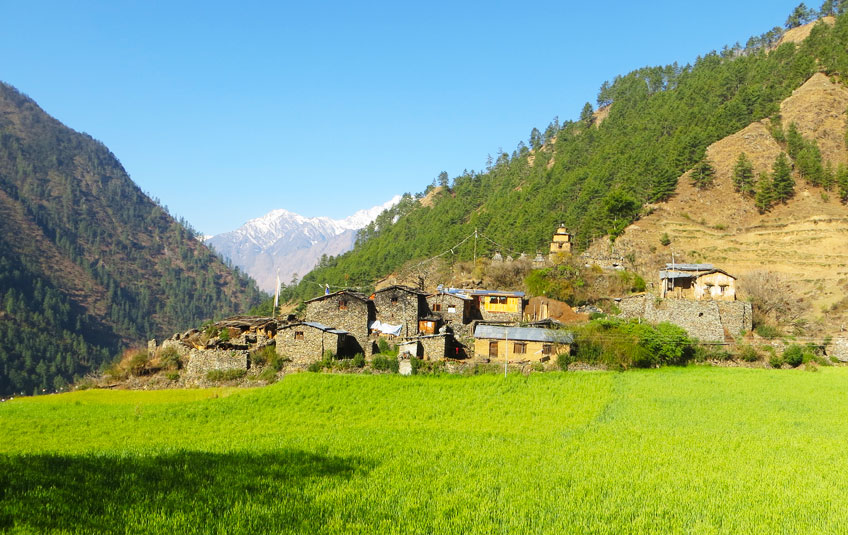
Tsum Valley Trekking leads trekkers into hidden Himalayan villages near Manaslu, where locals still practice a 1950s-style Tibetan Buddhist lifestyle and Shamanism, only opening to outside visitors after 2008.
Explore the hidden gems of the Manaslu region, also known as Tsum Valley Trekking, that match the 1950th lifestyle Tibetan culture. And Shamanism is believed by local nearby Tibetan border in the Manaslu Conservation Area. Tsum Valley provides a quieter and more authentic experience with warm local hospitality and a deep spiritual experience for every trekker. The Tsum Valley is a peaceful area; locals of Tsum discourage killing animals for meat purposes.
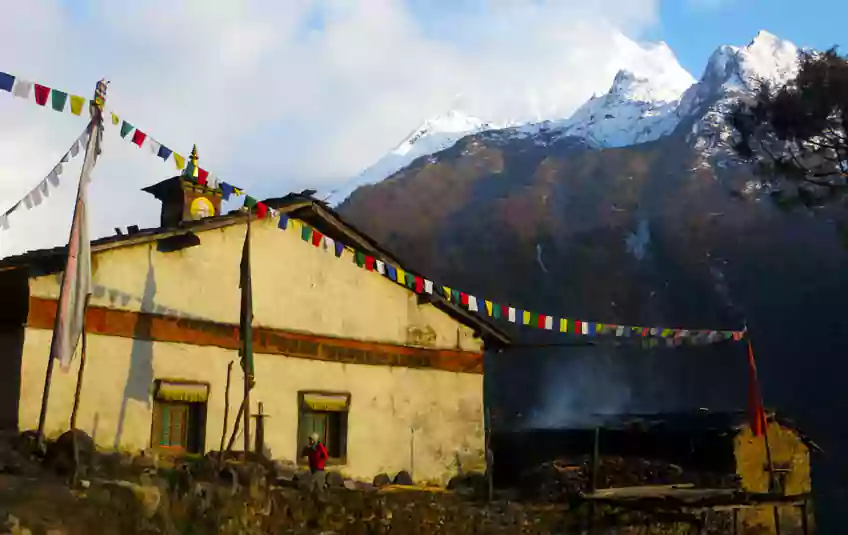
The Tsum Valley is a less explored trekking destination in the Manaslu trek route and is a cultural gem. Where no trekkers before 2008. A beautiful valley ringed by the Himalayan giants. Tsum is dotted with sacred highland monasteries.
Tsum Valley earns its reputation as a “hidden valley” honestly — the Nepal government only opened the region to foreign trekkers in 2008, decades after Manaslu and neighboring Langtang welcomed visitors. This late opening preserved a lifestyle, dialect, and belief system that most other Himalayan valleys lost generations ago. Trekkers who walk through Chumling, Chhokangparo, and Nile still witness daily rituals, farming methods, and monastery routines that predate modern tourism entirely.
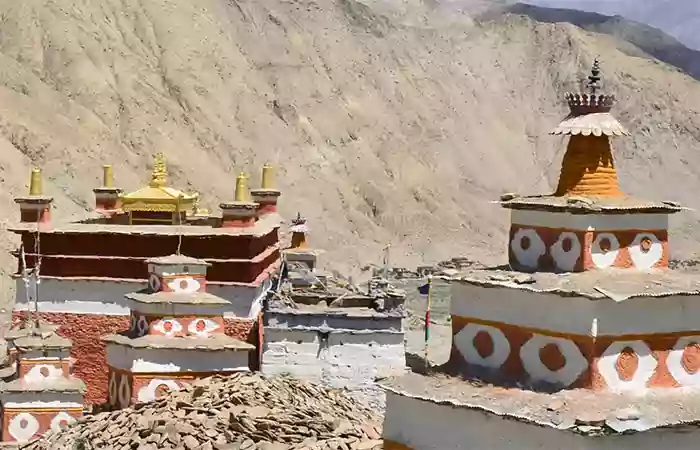
The trek to Tsum Valley begins from Kathmandu to Arughat, same as the Manaslu Circuit Trek. The way to the Tsum area trek traverses through the Manaslu Circuit at Philim towards the Lower Tsum. Since Tsum Valley Trekking is based on homestay family lodges trek. Still, this region at times asks to be content with basic arrangements of food and lodges, unlike other trekking regions of Nepal. This moderately adventurous trek in Nepal highlights the two biggest monasteries in the region. Mu Gompa and Rachen Gompa, which are the schools for young monks and nuns.
Trekkers who value this kind of family-run, community-based experience will also enjoy our Nepal Community Trek, which follows a similar homestay model across other Nepali villages.
Nepal classifies Tsum Valley as a restricted area, so trekkers need a Restricted Area Permit alongside the standard Manaslu Conservation Area Entry Permit, and the government requires every trekker to travel with a licensed guide rather than independently. Nepal Footprint Holiday arranges all three requirements before departure, and a checkpoint at Jagat verifies the paperwork before trekkers continue north toward Philim and the Tsum turnoff.
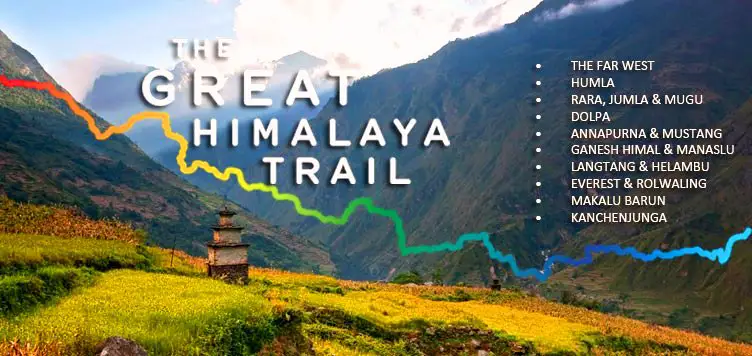
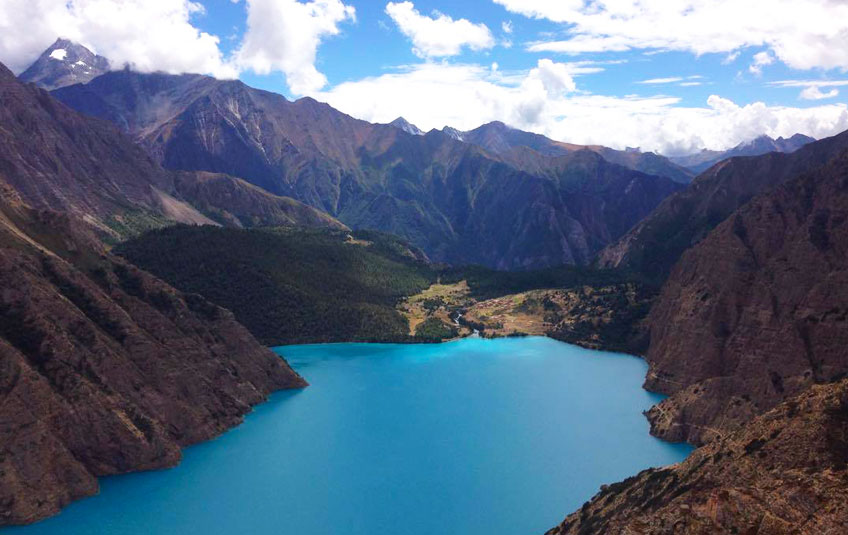
The remote land of Tsum Valley is also an integral pilgrimage route. It is believed that the great Buddhist Guru Milarepa had meditated once in the mountain caves of this valley. Ganesh Himal Base Camp and Lungden Gompa are other top-notch highlights of the Tsum Valley trek, which is the highest point of the Tsum Valley hike. The trails of Tsum Valley are one of the best sections of the Great Himalayan Trail of Nepal, which runs at the foothills of the Himalayas from east to west.
This connection places Tsum Valley firmly within the Great Himalaya Trail network, and travelers planning a longer regional journey can compare it against Nepal’s other remote area treks, several of which share similar permit requirements and homestay-style accommodation.
Juniper scrub and blue pine dominate the upper valley, and herds of blue sheep graze the ridgelines above Nile and Mu Gompa. Snow leopards occasionally hunt these slopes, drawn by the same blue sheep populations, though sightings remain rare. Lower down, the trail passes through classic rhododendron forest that blooms bright red and pink each spring, framing views of Ganesh Himal to the west.
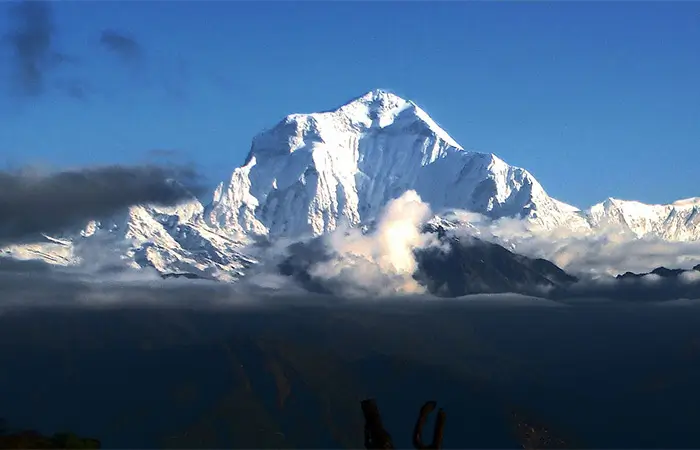
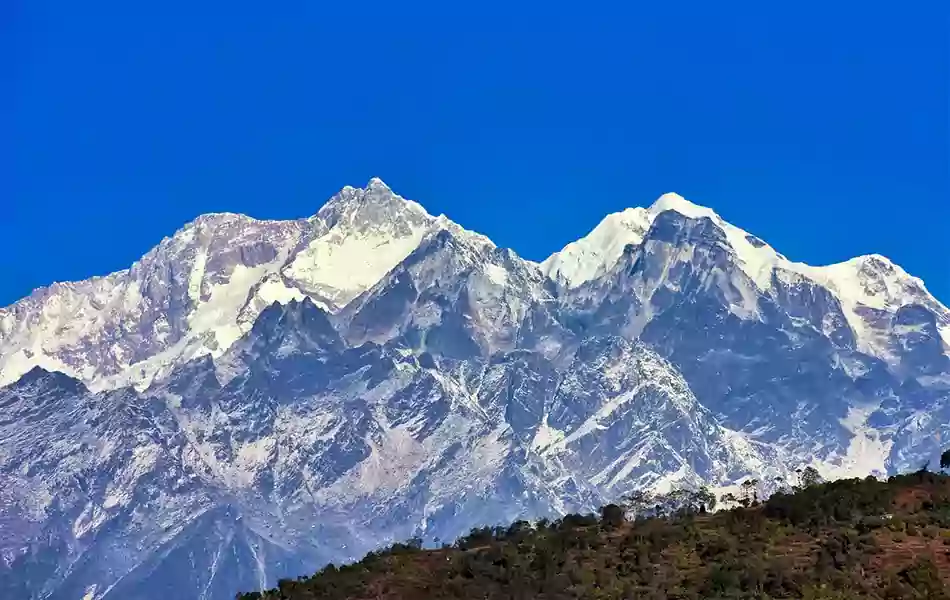
Overall, Tsum Valley has wonderful aspects of nature and culture. The trekking caters to the exceptional beauty of alpine nature and rhododendron forests. The views of Manaslu and Ganesh Himalayan Ranges throughout the trails energize trekkers to walk further. Similarly, the cultural aspects of this valley are so authentic that trekkers shed tears on seeing the lifestyle of the people living in the region, which is so close to nomadism.
Arrival In Kathmandu.
Half day Kathmandu sightseeing and tsum valley trekking preparation. Hotel B/B plan.
Drive to Arughat – Soti Khola – After breakfast, our drive journey begins from Kathmandu to Machhaphola – First day of Trek along the buri gandaki river.
Its about 6-7 hours drive B/L/D.
Trekking to Jagat via Dovan and Tatopani – Hot spring. An moderate hike along the river bank of Budhi Gandaki on rocky trail, cross some running water falls, suspension bridges.
We stop upper Dovan for lunch. A small Gurung kitchen offer great view of Dovan Village. Uphill hike to Yaru Phant and another hour reach to Jagat. Simple guest house. B/L/D
Enter Tsum Valley area – Trekking to Philim village. Walk along with the view of white water falls, monkeys farms and small villages.
Possible to see some monkeys and Adler on rocky trail via Salleri, Sidribasha and ghatte khola. We will show you few local water meal and cross a long suspension bridge to Philiim village. A nice village with higher secondary school and small health post with few guest houses. Guest house. B/L/D.
Philim to Chumling trek, today you left manaslu circuit trail in right bank than continue hike in Tsum valley via Lokpa village.
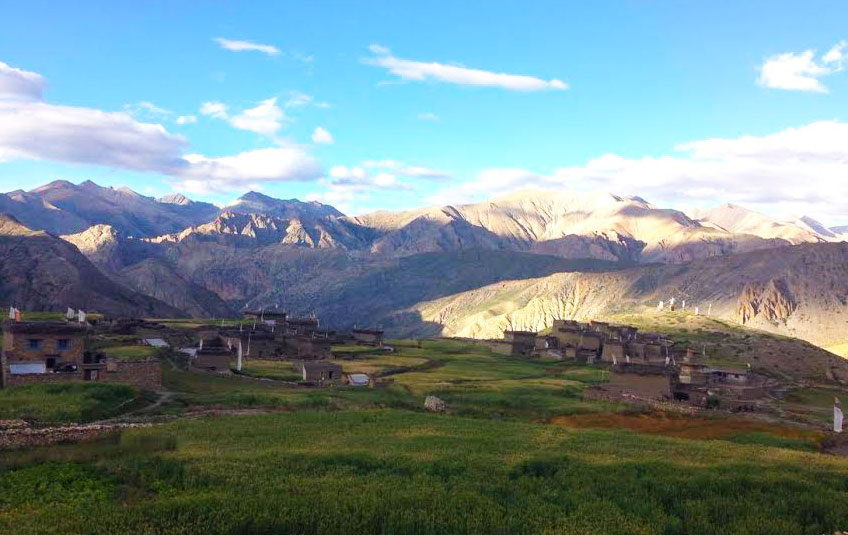
We keep walk up to river bank and follow right bank of river along the pine forest on rocky trail. Reach to Lokpa for lunch than continue Laligurash jungle uphill to Chumling that take at list 3 hours. Authentic Village with wooden roof and barley fields and potatos. Stay on local Lodge/Camp. B/L/D
Trekking to Chhokangparo, nice and less touristic hidden valley walk along the river gorge, villages and small chortens, rhododendron forest and monkeys, step climb.
Camp/Lodge. B/L/D
Chhokangparo to Nile Trek, an easy walk along the Tsum Valley village, Camp/Lodge home stay. B/L/D.
Nile to Mu Gompa Trek. Short walk to famous monastery of Tsum Valley. Visit monastery and day exploration.
Lodge/Camp home stay. B/L/D
Mu Gompa to Chhokangparo trek. Nice backward trekking along the Tsum valley and river bank, Visit Ranjani monastery
Walk along the paddy field of barley, buckwheat fields. Lodge. B/L/D
The hike from Chhokangparo to Langdung gompa almost a full day trip, strong uphill and downhill step climbing in alpine forest along single track, cross the river visit small Tibetan medicine center, get close view of Mt. Ganesh Himal from north side and return to lodge. B/L/D.
Great exciting return back from Tsum valley. Trek back to philim you will be refresh with hot shower. Lodge. B/L/D.
Trek down to along same route to Khorla bashi via Jagat and and hot spring. Lodge. B/L/D.
Trek to Soti Khola and drive to Arughat Bazaar by local jeep/Bus. Get ready for next drive to Kathmandu and tsum valley trek will end. lodge/Camp.
Drive back to Kathmandu about 7 to 8 hours. B/ L and Hotel only.
After breakfast, Final Departure.
The Nepal government opened Tsum Valley to trekkers in 2008; no trekkers visited the valley before that year.
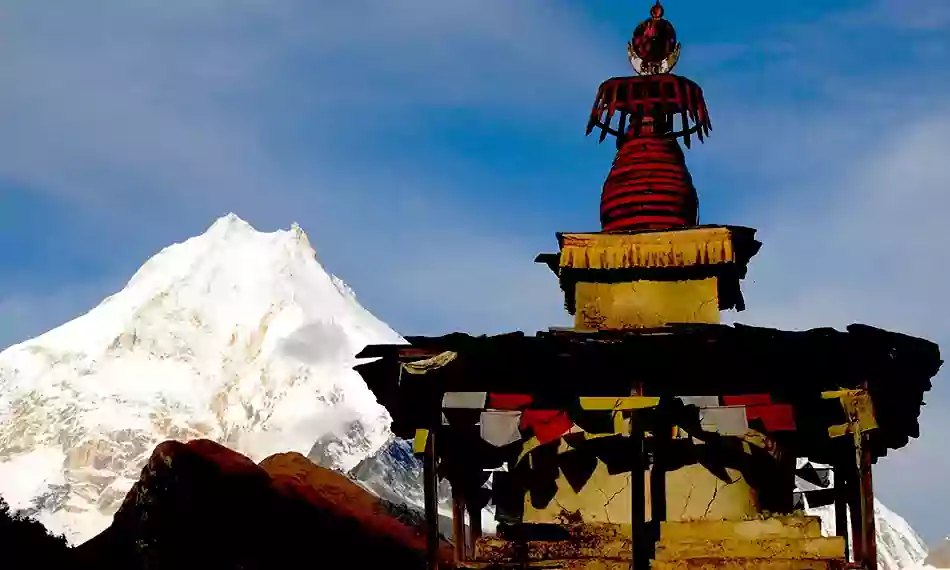
Mu Gompa and Rachen Gompa stand as the two biggest monasteries in the region, and both function as schools for young monks and nuns.
Locals treat Tsum Valley as a peaceful area and discourage killing animals for meat, reflecting the valley’s Tibetan Buddhist and Shamanist beliefs.
March to May and September to December offer the best trekking conditions, though some trekkers choose monsoon or winter for photography, bird watching, wildflowers, or monastery volunteering.
Few travelers ever set foot in Tsum Valley — let Nepal Footprint Holiday be your gateway into Nepal’s last untouched Tibetan Buddhist sanctuary. Inquire Now and claim your place on this rare Himalayan journey.

Number of Days
Total Destinations
Travellers
Happy Traveler