

Remote treks in Nepal are multi-day journeys through restricted, low-infrastructure regions of the Himalaya — such as Manaslu, Upper Mustang, Dolpo, Kanchenjunga, Nar Phu, and Tsum Valley — that require a special area permit, a licensed guide, and travel through a government-registered trekking agency.
The remote treks in Nepal are amazing opportunities to take adventurous routes away from busy crowds. These trails are popular, as it offers you pristine Himalayan scenery, authentic Tibetan or indigenous cultures, and rugged, off-the-beaten-path trails. Exploring these places offers you impressive opportunities to witness the raw beauty of Nepal.
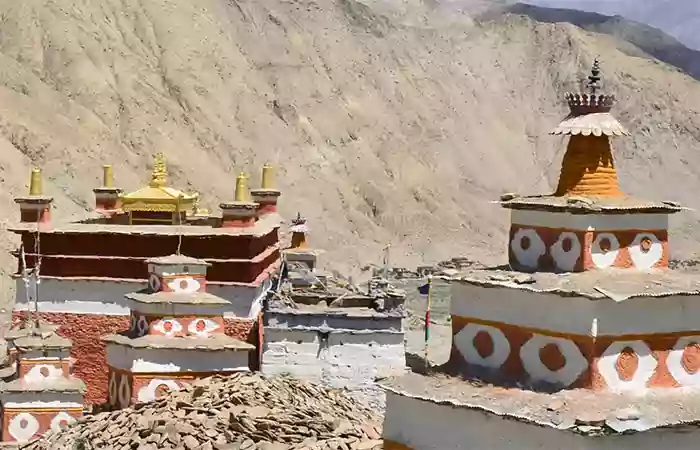
The routes are less traveled, where you pass through high mountain passes, glaciers, and remote mountain valleys, making the trek even more engaging. Along the way, you can interact with the locals, explore ancient Buddhist monasteries, and witness the local lifestyle of the traditional people.
Places such as Manaslu Circuit, Upper Mustang, Upper and Lower Dolpo, Kanchenjunga Base Camp, Nar Phu, and Tsum Valley are some of the most popular remote treks in Nepal, attracting many more trekkers from around the world. Exploring these places offers you great insights into Nepal’s history and culture, making the overall experience truly rewarding.
However, exploring these remote treks in Nepal provides limited infrastructure, as you may be provided with accommodation in tented camps at many places due to fewer teahouse facilities and isolated areas.
The remote treks in Nepal requires to obtain several permits that are needed, due to isolated regions. Doing these treks requires being done under a licensed guide and through a registered agency in Nepal, as they ensure your safety and security throughout the journey.
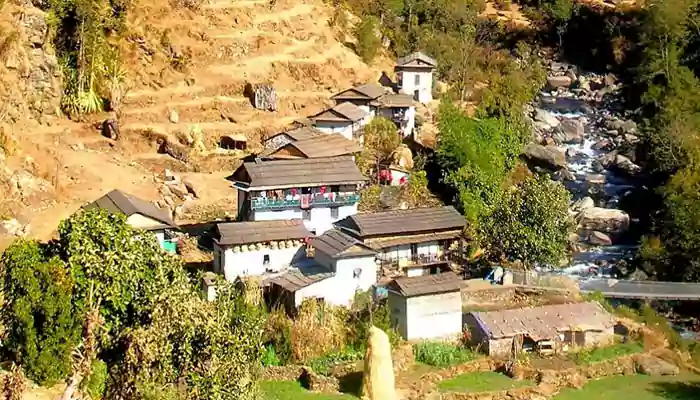
During your remote trekking in Nepal, you explore more remote places, stay at local homestays, and have a perfectly managed itinerary for exploring every corner.
The best remote treks in Nepal are Manaslu Circuit, Upper Mustang, Upper and Lower Dolpo, Kanchenjunga Base Camp, Nar Phu, and Tsum Valley — each requiring a special area permit, a licensed guide, and a registered trekking agency due to their restricted, isolated locations near the Tibetan border.
Remote treks in Nepal is excellent opportunity to experience the beauty of isolated regions, offering you an enriching journey. Exploring different routes offers a wide range of experiences, as they are known to provide solitude, authentic culture, raw wilderness, and a sense of adventure as you explore remote trails. Below are the reasons why exploring the remote treks in Nepal is rewarding for every trekker.
| Detail | Information |
| Popular regions | Manaslu, Upper Mustang, Dolpo, Kanchenjunga, Nar Phu, Tsum Valley |
| Guide requirement | Licensed guide + registered agency mandatory |
| Permits | Special/restricted area permits (region-specific) |
| Accommodation | Mix of teahouses, tented camps, and local homestays |
| Best seasons | Autumn (Sep–Nov), Spring (Mar–May) |
| Wildlife | Red panda, snow leopard (habitat regions) |
Note: the permit and guide-requirement details above reflect general practice for these restricted regions — please confirm exact current permit names/costs per trek before this table is published, since I haven’t verified per-region figures against current government rates.
The best time for remote treks in Nepal is mainly during the time of autumn (Sep – Nov) and spring (Mar – May), offering you incredible trekking conditions, moderate temperatures, crystal-clear skies, and blooming rhododendron forests.
Trekking during peak times offers you engaging experiences, unforgettable memories, pleasant temperatures, and views that are beyond your expectations. These times offer you accessible routes, well-marked trails, and comfortable accommodations.
Some of the most popular remote treks in Nepal include Manaslu Circuit, Upper Mustang, Upper and Lower Dolpo, Kanchenjunga Base Camp, Nar Phu, and Tsum Valley.
Autumn (September–November) and spring (March–May) offer the best conditions, with moderate temperatures, clear skies, and blooming rhododendron forests.
Yes — remote treks in Nepal require several special permits due to the isolated regions, and must be done under a licensed guide through a registered agency for safety and security.
Ready to trade the crowded trails for a route only a handful of trekkers see each season? Nepal Footprint Holiday has the permits, licensed guides, and local know-how sorted — Inquire Now and start planning your remote Himalayan escape.

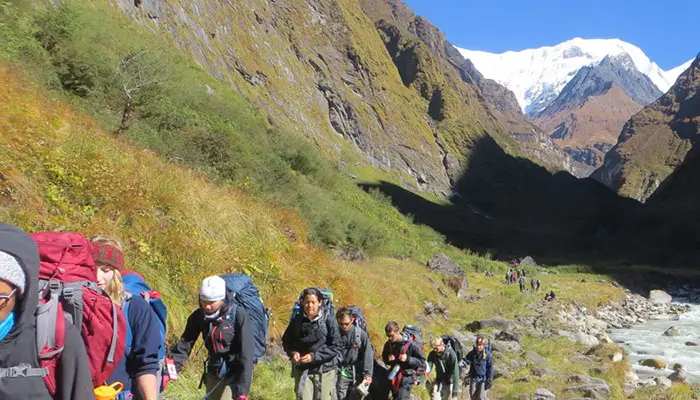
The Annapurna Region is one of the favourite trekking destinations for many in the Himalayas, known for its natural beauty…
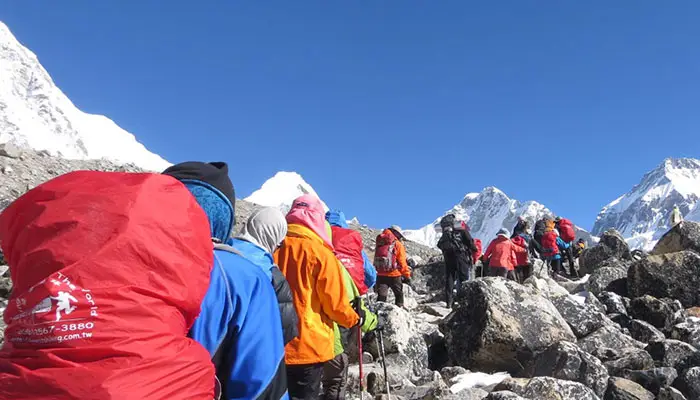
The Everest Region Trek in Nepal is one of the most popular trekking regions, located in the northeast of Nepal,…
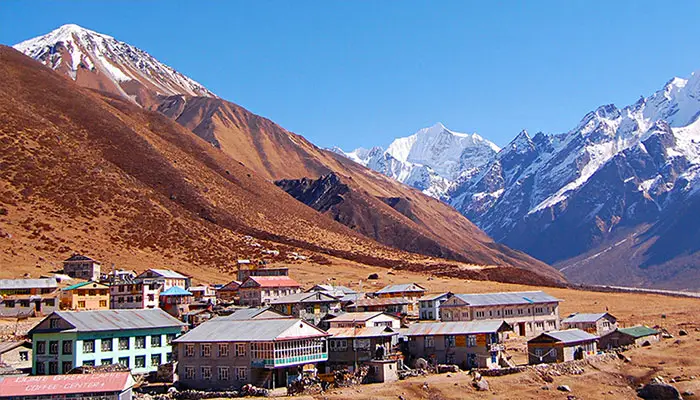
Langtang Trekking Route is located in the north-central Himalayas of Nepal, mainly within the Rasuwa District. Situated around 51 –…
Remote treks in Nepal are multi-day journeys through restricted, low-infrastructure regions of the Himalaya — such as Manaslu, Upper Mustang,…
Short and easy treks in Nepal are the perfect opportunities for beginners, families, and travelers with limited time. These treks…
Number of Days
Total Destinations
Travellers
Happy Traveler