

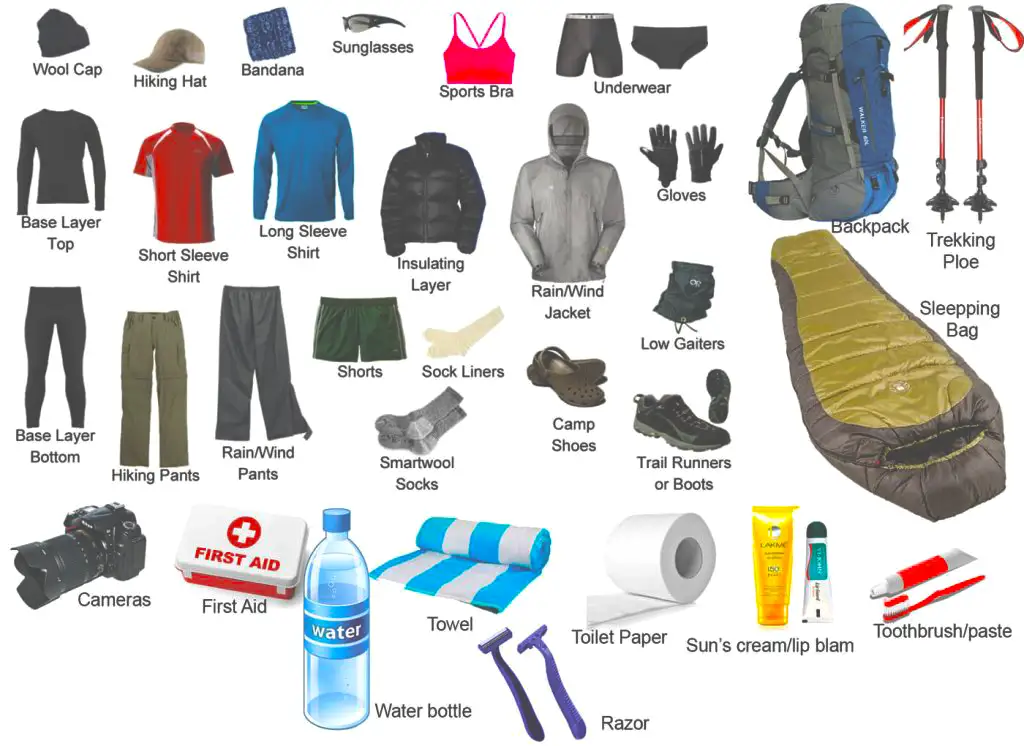
To choose your Nepal trekking equipment, you need a warm three-layer clothing system, broken-in waterproof boots, a four-season sleeping bag, and a comfortable daypack. Because mountain flights enforce a strict 15 kg luggage cap, bring personal footwear from home and rent bulky items in Kathmandu.
I began guiding and organizing Himalayan treks in 1999. In my 25 years running trips through Nepal, Tibet, and Bhutan, the single biggest pre-trip worry for our guests is always their gear.
People often pack out of fear. They buy heavy polar gear for a mild autumn walk, or they pack three times more clothes than they can ever wear. Other times, trekkers show up in Kathmandu with flimsy trainers, unaware that a high pass like Cho La or Thorong La can turn into solid ice overnight.
Trekking in the Himalayas is unique. Most classic routes are village-to-village walks. You sleep in family-run teahouses, eat hot meals by a dining room stove, and have porters to carry your heaviest bags.
You do not need to pack for unsupported Arctic survival. But you must prepare for extreme shifts in temperature, harsh high-altitude sun, and freezing nights. Here is everything you need to know about your gear before booking your trek.
Before buying a single piece of gear, you must understand Himalayan transport weight caps.
Flights connecting Kathmandu or Ramechhap to remote mountain runways like Lukla, Jomsom, or Dolpo use small Twin Otter and Dornier aircraft. The Civil Aviation Authority of Nepal strictly enforces a luggage limit of 15 kg (33 lbs) per passenger. This weight cap includes both your main checked bag and your handheld daypack.
If you join a small group trek with Nepal Footprint Holiday, we provide one porter for every two trekkers. Your porter carries your main duffel bag, which must weigh 10 kg (22 lbs) or less. You carry the remaining 5 kg (11 lbs) yourself in your personal daypack.
Total Airline Luggage Allowance: 15 kg (33 lbs)
If your bag exceeds 15 kg, airlines charge overweight luggage fees. On busy morning flight schedules, airlines will often leave overweight bags behind to travel on later flights. Pack light, keep your bag compact, and leave clean city clothes in our Kathmandu luggage storage.
Can you buy and rent your trekking equipment in Nepal? Yes, you can buy or rent almost every piece of trekking equipment in Nepal in the Thamel district of Kathmandu or in Lakeside, Pokhara.
Thamel contains hundreds of outdoor shops. The streets are packed with colorful jackets, sleeping bags, and packs. Most of these goods are locally produced imitations.
Locally made copies are cheap and readily available. Items like fleece pants, buffs, trekking poles, waterproof pack covers, and dry sacks are fine to buy from local stalls. A pair of imitation trekking poles will cost around 1,000 to 1,500 Nepali Rupees (roughly 8 to 12 US dollars) and will easily last your trek.
However, avoid buying fake waterproof shells or high-altitude down jackets from market stalls. Fake Gore-Tex will leave you soaking wet during an afternoon snow shower, and fake down jackets often use low-grade feathers that leak warmth when temperatures plunge.
If you want genuine brand-name gear, go directly to certified company showrooms. You can find an authentic Nepal trekking equipment shop outlet on Tridevi Sadak at the northern edge of Thamel, as well as along Durbarmarg.
These certified stores stock authentic products from international brands like The North Face, Mountain Hardwear, Black Diamond, and Columbia. Prices in these showrooms match North American and European retail rates.
You should also look for Sonam Gear. Sonam is a homegrown Nepali outdoor brand with flagship stores in Thamel. They manufacture high-quality down coats, softshell trousers, and thermal base layers built specifically for Himalayan trails, sold at very fair local prices.
Renting is the most sensible choice for bulky, expensive gear that you may never use again.
Down jackets and heavy four-season sleeping bags can be rented in Thamel for 150 to 300 Nepali Rupees (about 1 to 2.50 US dollars) per day. Quality rental shops wash down items after every return. When you arrive at our Kathmandu office, our guides will walk with you to trusted rental stores to inspect the down fill, zips, and cleanliness of your rental gear before you leave the city.
No matter which Himalayan trail you choose, your basic wardrobe relies on a three-layer system: base layer, mid layer, and outer layer.
Your base layer sits directly against your skin to pull sweat away.
Note: Avoid all cotton. Cotton absorbs sweat, stays damp, and chills you quickly when you pause on windy ridges.
Your mid layer traps warm air generated by your body while walking.
Your outer shell shields you from cold wind, rain, and snow flurries.
Foot problems are the primary reason trekkers fail to complete their trips.
Different valleys present very different weather patterns, terrain demands, and accommodation realities. Use the master checklist above, then adjust your pack for your specific route.
The Everest region features wide, well-trodden trails, dry alpine air, and prolonged exposure above 4,000 m (13,123 ft).
On the standard Everest Base Camp trek and the shorter Everest Panorama trek, you follow historic Sherpa trade routes.
The Gokyo Cho La Pass trek and the Everest High Passes trek cross demanding alpine terrain over 5,300 m (17,388 ft).
The Jiri to Everest Base Camp trek starts at lower altitudes, crossing deep valleys and high ridges before reaching Lukla.
The Annapurna massif creates distinct microclimates. The southern slopes receive heavy moisture, while the northern slopes sit in a dry rain shadow.
The Annapurna Circuit trek begins in warm subtropical river valleys and climbs over Thorong La pass at 5,416 m (17,769 ft).
The Annapurna Base Camp trek climbs up the narrow Modi Khola gorge into the high Annapurna Sanctuary.
Short routes like the Poon Hill trek and the ridge climb on the Mardi Himal trek require much lighter packs.
The Nar Phu trek and the arid valleys of Mustang trekking take you into dry, windy trans-Himalayan plateaus.
Langtang sits directly north of Kathmandu. These trails rise quickly through steep river valleys into alpine pastures.
The Langtang Valley trek and the Tamang Heritage Trail offer great introductions to teahouse walking with modest gear demands.
The high pass on the Langtang Gosainkunda trek crosses Laurebina La at 4,610 m (15,124 ft).
Remote routes lack modern lodge infrastructure. You must prepare for long stretches between supply points and basic emergency facilities.
The Manaslu Circuit trek circles the world’s eighth-highest mountain, while the Tsum Valley trek heads into a hidden cultural valley.
Expeditions to Kanchenjunga Base Camp, Makalu trekking, or the dry trails of Upper Dolpo trekking are serious backcountry endeavors.
Staying healthy in the mountains requires consistent hygiene practices and smart equipment care.
Never drink untreated tap, river, or well water in Nepal. Buying plastic mineral water bottles fills trails with waste and costs up to 400 Rupees per bottle at high altitude.
Bring two 1-litre wide-mouth Nalgene bottles. Treat your water using chlorine dioxide purification drops or a hollow-fiber squeeze filter. Chlorine dioxide kills bacteria, viruses, and cryptosporidium cysts without leaving a foul chemical aftertaste. At night, you can pay a teahouse kitchen to fill your Nalgene bottles with boiling water. Slide the hot bottle inside a wool sock and place it inside the footbox of your sleeping bag for free warmth.
We design every itinerary with slow elevation gains and built-in rest days to minimize the risk of altitude sickness. Even so, carry a personalized medical pouch in your daypack:
Cold mountain air drains battery life rapidly.
The equipment you pack must adapt to your travel dates.
Autumn is peak trekking season. Skies are clear, and daytime walking temperatures are comfortable. However, night temperatures at higher elevations dip below freezing by late October. Pack full cold-weather layers, an insulated down jacket, and a minus 15°C sleeping bag for high camps.
Spring brings blooming rhododendrons and warmer afternoons. Low valleys can feel hot and humid, while trails above 4,000 metres still hold substantial snowpacks. Bring ventilated clothing layers alongside microspikes for icy morning passes.
Winter offers empty trails and clear mountain views, but conditions are bitterly cold. Daytime temperatures above Namche Bazaar rarely rise above freezing, and night temperatures at Gorak Shep or Thorong Phedi can plummet to minus 20°C. You will need a heavy down coat, a winter-grade sleeping bag, insulated gloves, and windproof outer shells.
Monsoon rains create muddy trails and bring out forest leeches in lower river valleys. If you trek during this season, carry heavy-duty waterproof jackets, waterproof pack liners, and salt or leech socks. Upper Mustang and Dolpo sit in the Himalayan rain shadow and remain dry, making them the best trekking choices during summer months.
To trek in Nepal, you need broken-in hiking boots, thermal base layers, a fleece jacket, an insulated down coat, and waterproof outer shells. You also require a four-season sleeping bag, a 30-litre daypack, trekking poles, a headlamp, two reusable water bottles, sun protection, and a basic medical kit.
To buy original trekking gear in Kathmandu, visit licensed flagship brand showrooms along Tridevi Sadak in Thamel or along Durbarmarg. These stores include official retailers for The North Face, Mountain Hardwear, and Columbia, as well as Nepal’s respected local technical outdoor brand, Sonam Gear.
To rent trekking gear in Nepal, expect to pay between 1 and 3 US dollars per day for each major item. Reputable gear shops in Thamel rent high-loft down jackets and minus 15°C sleeping bags for 150 to 350 Nepali Rupees daily, requiring a small refundable cash deposit.
Yes, you need a sleeping bag for teahouse trekking. While mountain lodges provide basic beds and blankets, the bedrooms are unheated and poorly insulated. A quality four-season sleeping bag rated to at least minus 10°C or minus 15°C ensures you stay warm and comfortable through freezing nights.
The 15kg weight limit for Lukla flights is enforced very strictly by domestic airlines. The limit includes your checked duffel and your cabin daypack combined. Overweight bags incur excess baggage fees and risk being left behind for later transport flights during busy mountain flying windows.
You do not need heavy mountaineering crampons for standard trekking routes, but lightweight microspikes are essential if your itinerary crosses high passes. Routes like Cho La, Renjo La, Thorong La, and Larkya La frequently feature slippery packed ice and hard snow where trail spikes prevent falls
If you have questions about equipment requirements for a specific route or want to design a custom Himalayan itinerary, our local guiding team is ready to help you prepare.
Browse Our Small Group Nepal Trekking Packages
Last updated by Bashu Dev Thapaliya. Bashu founded Nepal Footprint Holiday in Kathmandu and has guided trekking and mountaineering groups across Nepal, Tibet, and Bhutan since 1999.