

Location
Upper DolpoDuration
22 DaysAltitude
5094 m.Difficulty
ModerateGroup Size
2 - 12 paxBest Season
Spring / Autumn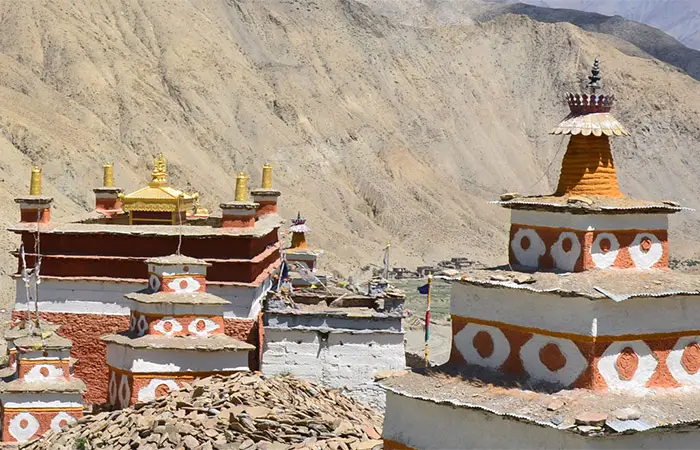
Upper Dolpo Trekking is a restricted, permit-only trek through Nepal’s far-western Himalayas, preserving stone-age and Tibetan Buddhist culture, crossing high passes above 5,000m, and reaching Shey Phoksundo Lake, Nepal’s deepest lake.
Upper Dolpo Trekking is one of the most remote treks in Nepal, located at the base of the far western Himalayas, where Stone Age culture is preserved. Opened in 1993 for Tourism activities with a special trekking permit, it still holds gems of landmarks and the authentic culture of Tibetan Buddhism. Friendly People greet visitors to Dolpo with warm “Tashi Delek”.
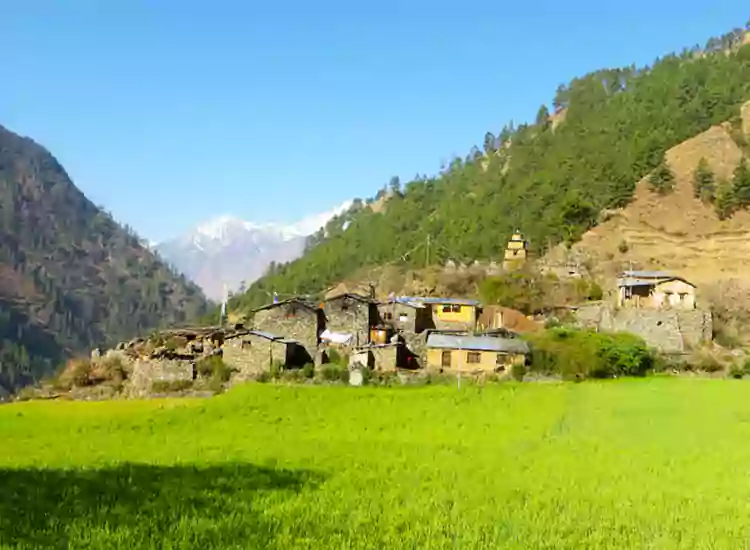
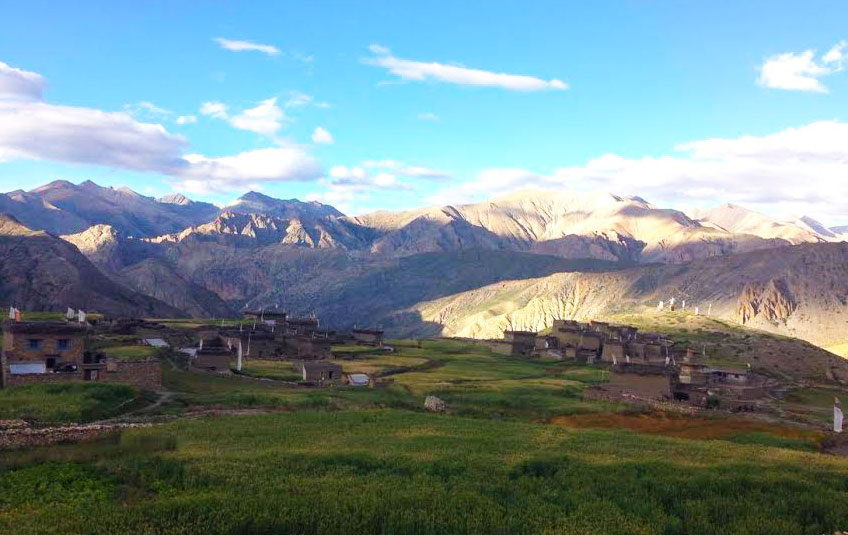
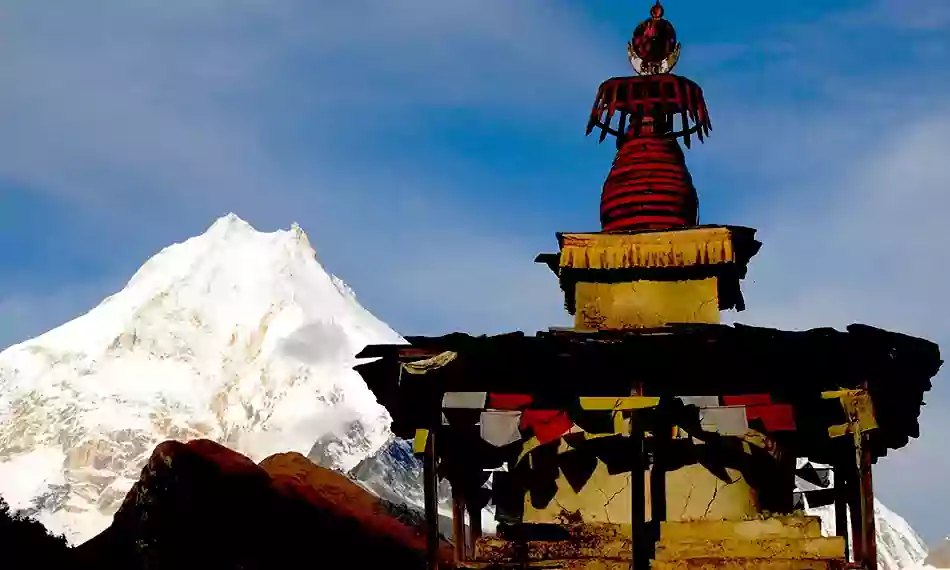
The monasteries of Dolpo, including those of Tibetan Buddhists and Bon, nestle on the spurs atop traditional villages. The landscapes, which are so wonderful, vary while trekking in different regions of Dolpo.
Highlights:
Upper Dolpo Trekking is a restricted-area trek in Nepal’s far-western Himalayas, requiring a special permit, and known for preserved Stone Age and Tibetan Buddhist culture, remote monasteries, and Shey Phoksundo Lake — Nepal’s deepest lake.
Dolpo’s isolation for much of the 20th century helped preserve a way of life that has changed little for centuries. The region’s Bon and Tibetan Buddhist traditions run side by side, visible in the chortens, mani walls, and monasteries that mark the trail through nearly every village. Locals here speak a Tibetan-influenced dialect distinct from the rest of Nepal, and many families still follow a semi-nomadic lifestyle tied to yak herding and salt trade routes that once connected Dolpo to Tibet. Because Upper Dolpo remained closed to outside visitors until 1993, its villages have retained customs, dress, and daily rhythms that have largely disappeared elsewhere in the Himalaya, one of the reasons filmmakers and photographers have long been drawn to the region.
Arrival In Kathmandu – Hotel Transfer.
Half Day Sightseeing In Kathmandu City , Evening In The Southwest: Flight To Nepalgunj.
Into The Heart Dolpos. Flight To Juphal (2,550 M) And Trek To Dunai (2,150 M).
Canyon Hike. Trekking To Tarakot (2,550 M).
Aiming High. Trekking To Lahiniwiese (3,300 M).
Along The Tarapchu.
Always The North: Trek To High Camp (4,600 M) At La Chhoi.
The First Pass: Trekking Via Chhoi La (5,025 M).
Tibet Is Not Far Off. Trek To Shimen (3,900 M)
Wild Paths And The Monastery Yang Chernobyl. Trekking To The River Bed (3.700 M).
Herbs Center. Trekking To Namkhong (4,200 M).
The Second Pass: Sela La (5,094 M). Trek To Shey Gompa. Is Called Crystal Monastery As Well.
The Monasteries Of Shey. Trekking To The Base Camp (4,600 M).
The Third Pass: Kang La (5,360 M). River Crossings And Camp In The Pine Forest.
For Mountain Lake. Trekking To Phoksundo (3,700 M).
Goodbye. Trekking To Jhupal.
Birds Eye View. Flight To Nepalgunj And Kathmandu.
Shopping & Sightseeing In Kathmandu And Flight Onward Destination.
Dolpo trek begins at Juphal, an elevated airstrip in the remote western region. Before we begin the Upper Dolpo trek, visitors also get an opportunity to view the great cultural sites of Kathmandu.
The Dolpo Trek with Nepal Footprint Holiday traverses through the sub-tropical forests of Shey Phoksundo National Park, ethnic villages of Lower Dolpo, and arrives at the major villages of the entire Dolpo- Dho. The trading center of Dolpo, Dho, is also in proximity to Mustang.
Crossing over the challenging high passes, the Upper Dolpo Trek winds through rugged trails of Dolpo to Shey via sacred Namgung Gompa and 5,094m Shey La Pass. Shey, the famous village of Dolpo, has equally famous Shey Monastery with the magnificent backdrop of Crystal Mountain.
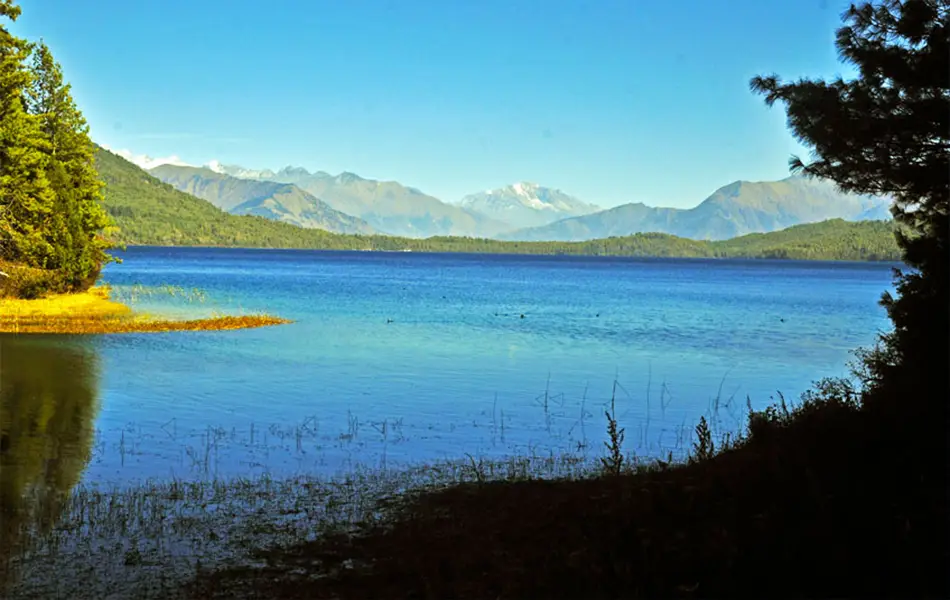
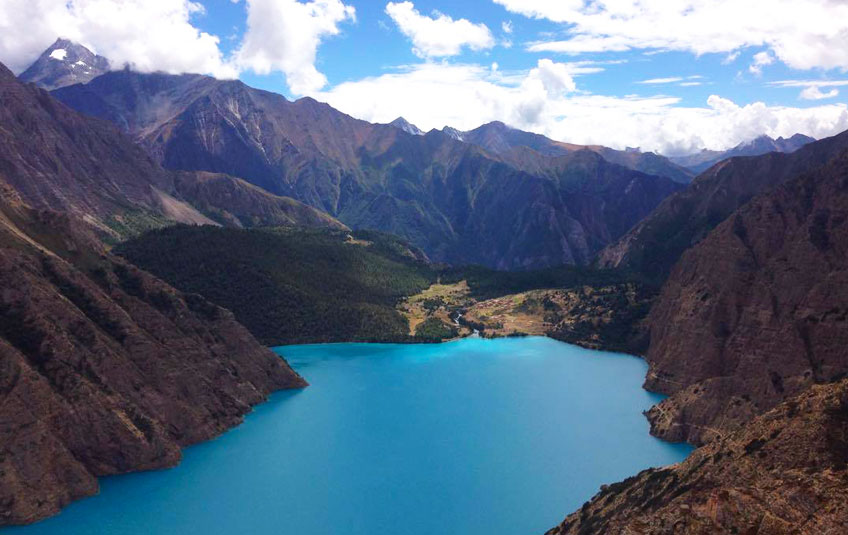
The latter half of the Upper Dolpo Trek traverses through another 5,306m Kang La Pass and visits several traditional villages of Dolpo. And arrives at the most beautiful lake of Nepal, Shey Phoksundo Lake. Savor the views of crystal clear Phoksundo Lake with the backdrop of lush vegetation and magnificent Mt. Kanjirowa. At Phoksundo Lake, also witness the Bon culture at Ringmo Village, which lies on a hill above the lake.
The restricted trekking region in Nepal, Upper Dolpo is an expensive and longest trekking adventure of Nepal compared to other trekking regions. However, the trek caters to a unique culture, landscape, and floral and fauna diversity as an open natural and cultural museum of Hidden Himalayas. The area where the Academy Award-nominated film “The Himalayas” was filmed.
Upper Dolpo Trekking is graded among the most demanding treks in Nepal, given its length, remoteness, and multiple high-altitude passes.
Because the trek runs through such a remote corner of Nepal, preparation matters more here than on standard teahouse routes. Travelers should budget extra time for acclimatization around the passes, pack for a wider temperature range than typical Himalayan treks, and be ready for basic camping conditions on the sections between Lower and Upper Dolpo. A pre-trek health check and comfort with several consecutive days above 4,000m are strongly recommended given the trek’s length and isolation. Since this trek is generally recommended for experienced trekkers rather than first-time high-altitude visitors, most operators, including ours, suggest at least one prior high-altitude trek before attempting Upper Dolpo.
The best time to trek Upper Dolpo is from the Spring (April – May) and the Autumn (October – November) when temperatures are cool with bright blue skies.
For Upper Dolpo, you are going to need two permits, while exiting to Upper Dolpo (from Lower Dolpo) and enterning to Lower Dolpo (from Upper Dolpo). And another permit for Shey – Phoksundo National Park.
Where does the Upper Dolpo trek begin?
The Dolpo trek begins at Juphal, an elevated airstrip in the remote west region of Nepal.
How many permits are needed for Upper Dolpo?
Two permits are needed for Upper Dolpo — one for exiting to Upper Dolpo from Lower Dolpo (and entering Lower Dolpo from Upper Dolpo), and another for Shey Phoksundo National Park.
When is the best time to trek Upper Dolpo?
The best time is Spring (April–May) and Autumn (October–November), when temperatures are cool with bright blue skies.

Number of Days
Total Destinations
Travellers
Happy Traveler