


Location
Annapurna RegionDuration
12 DaysAltitude
About 5,320 m (Kang La Pass)Difficulty
ModerateGroup Size
2-16 paxBest Season
Spring (Mar - May) and Autumn (Sep - Nov)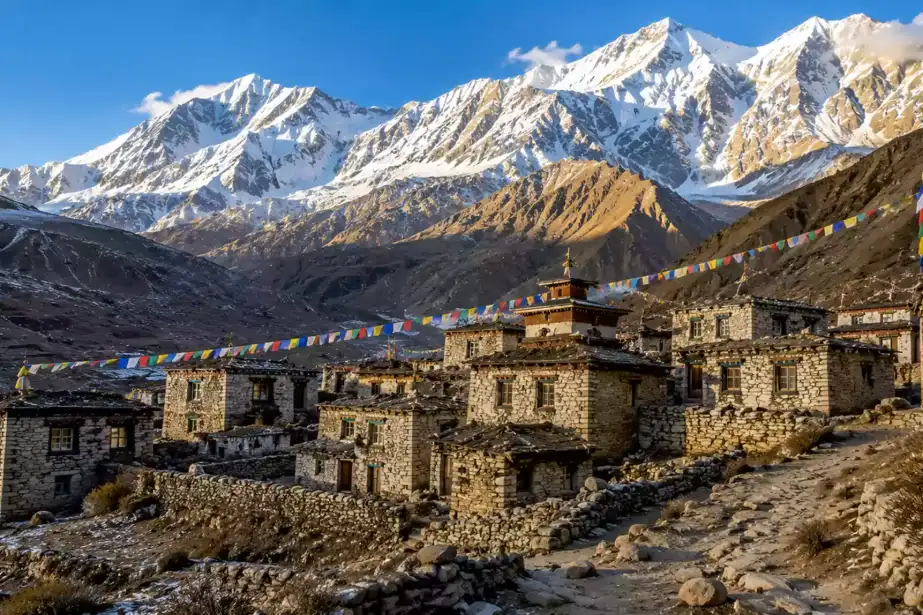
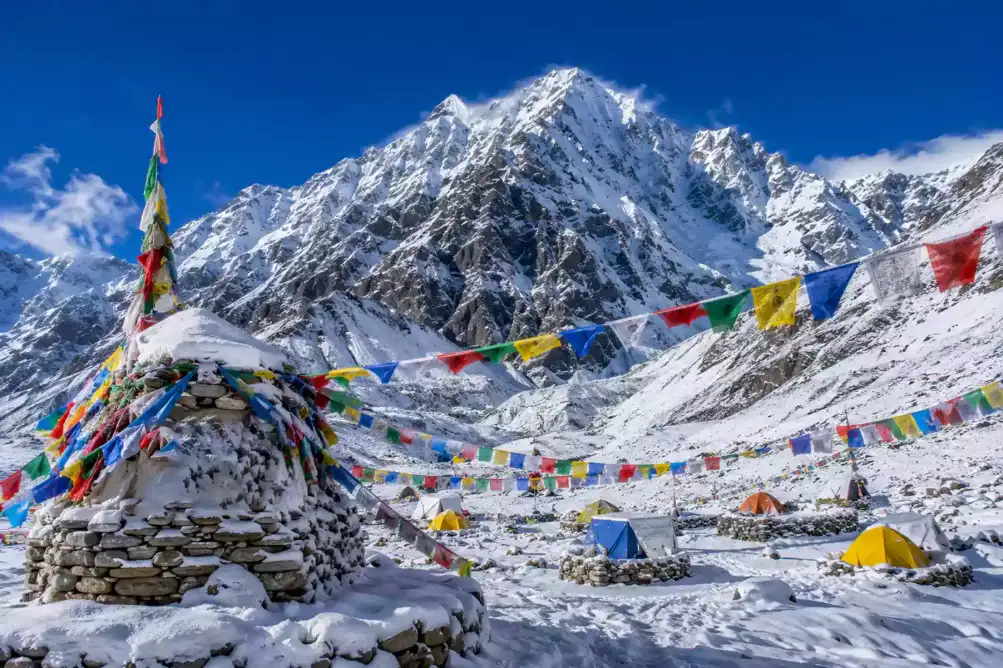
The Nar Phu Trek is a 12-day teahouse trek in the restricted Nar and Phu valleys of the Manang district. It starts at Koto, climbs to the ancient village of Phu, crosses Kang La Pass (about 5,320 m) and ends at Pisang on the Annapurna Circuit trail. It costs from US$1,550 per person and suits fit trekkers with previous multi-day trekking experience.
The Nar and Phu twin-valley trek is one of the hidden gems of the Annapurna region of Nepal, well known for its remote location and rich Buddhist culture. It takes you away from the busy trails and into a peaceful, less-explored Himalayan valley.
The journey passes through deep forests, narrow gorges, ancient valleys and high mountain passes. Along the way, you pass old monasteries, prayer wheels, chortens and stone-built houses that reflect centuries-old traditions. The villages of Nar and Phu are the major highlights, offering a deep insight into local culture and lifestyle.
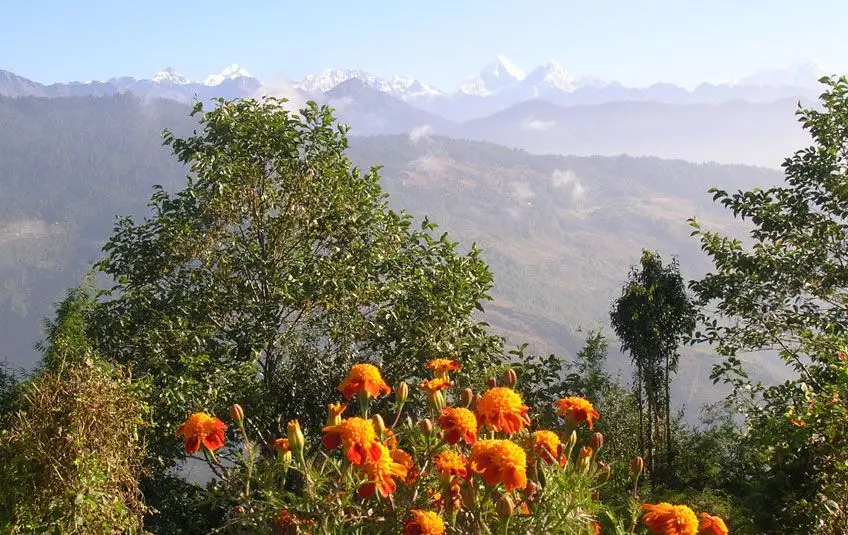
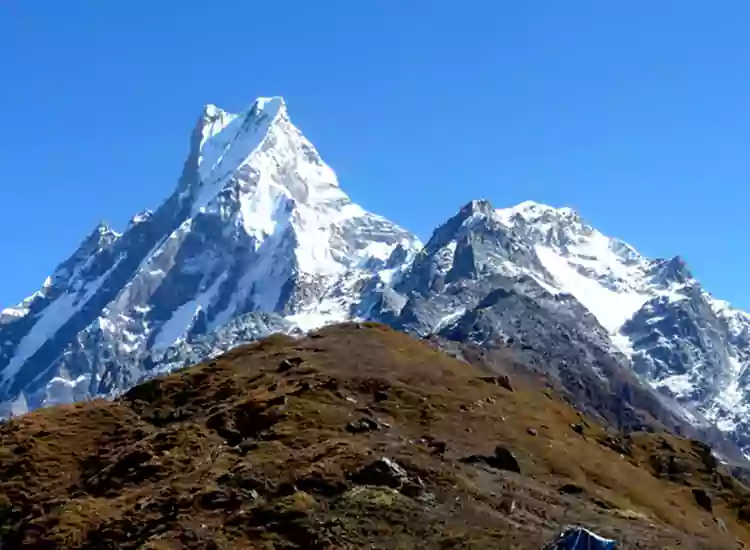
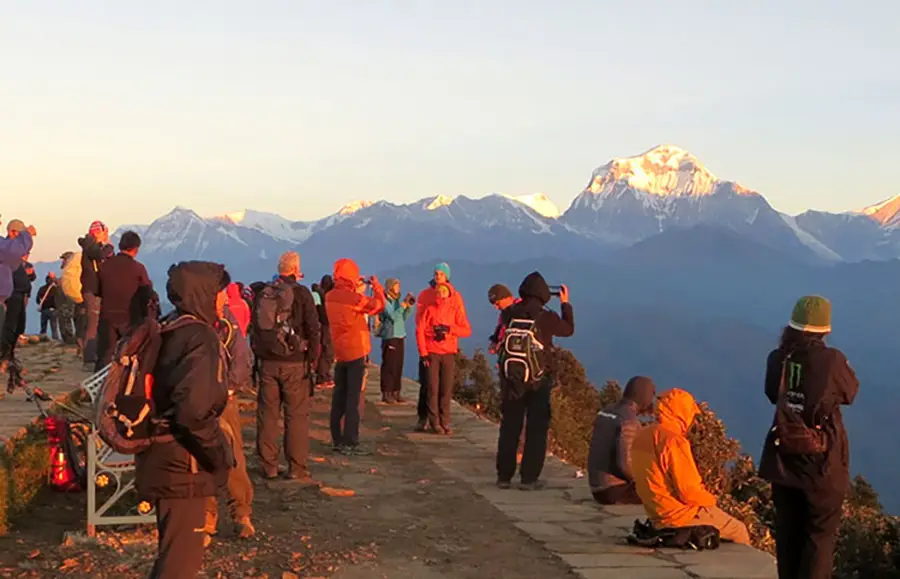
The trek also offers stunning mountain scenery, with views of Annapurna II, Gangapurna, Tilicho Peak and other snow-capped Himalayan peaks. Crossing Kang La Pass (about 5,320 m) is challenging and rewarding, with breathtaking panoramic views of the surrounding mountains.
The Nar Phu Valley trek requires good physical fitness, because the route and Kang La Pass involve steep ups and downs. With proper acclimatization at higher altitudes, the trek offers a perfect mix of natural beauty, cultural exploration and thrilling adventure.
The Nar Phu Trek is challenging. The trails are remote, facilities are basic, and several days last 6 to 8 hours. You sleep at 4,150 m in Phu and 4,112 m in Nar before crossing Kang La Pass (about 5,320 m), and the descent on the far side is steep. You do not need technical climbing skills, but you need good fitness, previous multi-day trekking experience and a steady pace. The itinerary has one rest day, in Phu. Learn the early warning signs in our altitude sickness guide, and compare levels in our trekking grades guide.
Choose Nar Phu if you want a remote, culture-focused trek and have previous trekking experience. Choose the Annapurna Circuit for the classic route with more services, and Tilicho Lake if you want one of the highest lakes in the world. Many trekkers also combine Nar Phu with the Circuit, so ask us for a longer plan.
The Nar Phu Valley is one of the remote and hidden valleys, located in the Manang District of Nepal. This valley trek is situated in the Manang District, near the Nepal-Tibet border, and is primarily surrounded by high Himalayan peaks and rugged landscapes. This is one of the restricted areas, which has helped preserve its natural beauty and traditional Tibetan culture.
The valley comprises two main villages, Nar and Phu, renowned for their ancient monasteries, stone houses, and distinctive lifestyle. The trek to Nar Phu Valley usually starts from Koto village, near Chame on the Annapurna Circuit trail, before entering this less-crowded region.
Nar Phu is a restricted trek in Nepal because of its remote location close to the Tibetan border and its strong Tibetan Buddhist culture. Special trekking regulations apply to the area.
Trekkers need a Restricted Area Permit (RAP) and must travel with a licensed trekking guide through a registered trekking agency. Independent trekking is not allowed, and restricted-area permits are not issued to individual trekkers. These rules help control tourism and keep trekkers safe, while protecting the beauty and identity of the region.
The Nar Phu Trek is not recommended for complete beginners. The trails are remote, the altitude is high, the walking days are long and the facilities are limited. Crossing Kang La Pass (about 5,320 m) also needs good physical fitness and mental preparation.
Trekkers with previous multi-day trekking experience, ideally at altitude, can complete it with proper acclimatization and an experienced guide. If this will be your first trek in Nepal, consider the Annapurna Base Camp Trek or the Poon Hill Trek first. You can also ask us for a longer plan with extra acclimatization days.
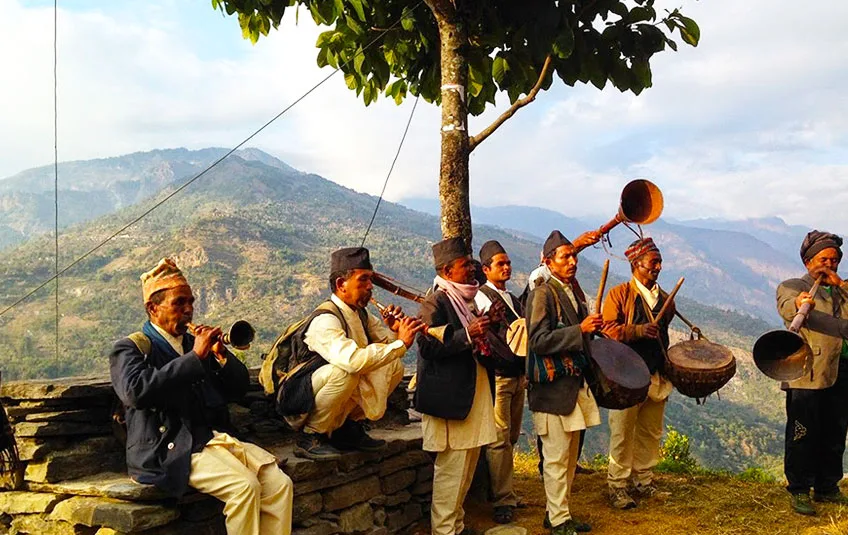
The Nar Phu Valley is renowned for its rich Tibetan culture, owing to its proximity to Tibet and its long history of Tibetan settlement. The people of the Nar and Phu villages have been preserving their traditional way of life for centuries, with minimal influence from modern culture. Their language, clothing, food, and daily lifestyle strongly reflect Tibetan traditions.
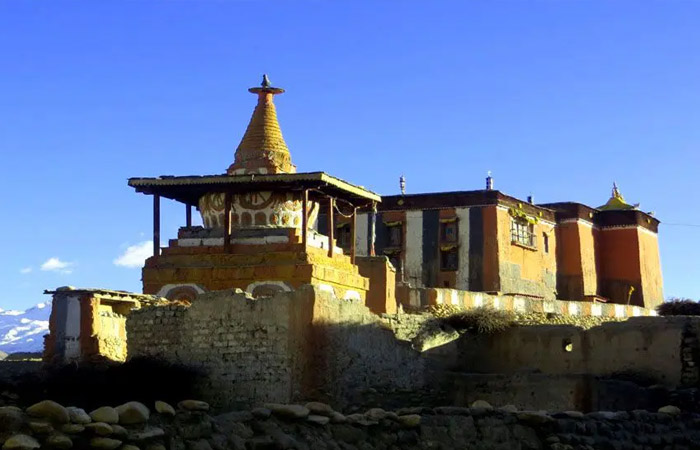
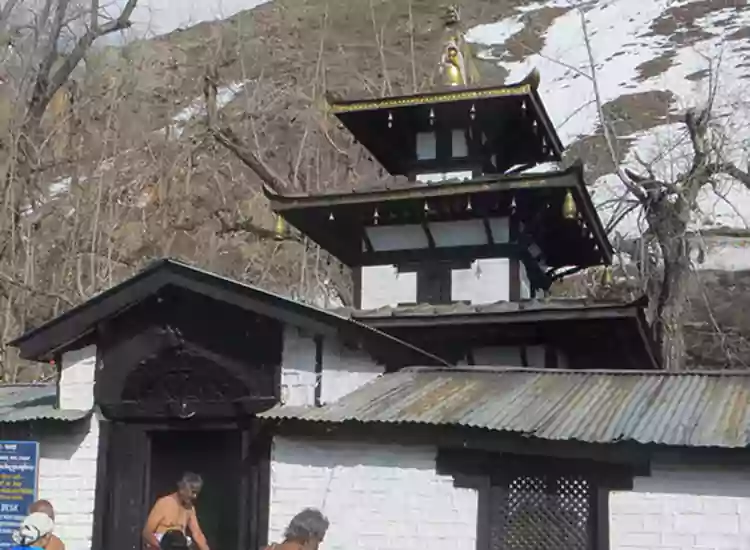
The valley is also rich in Tibetan Buddhist heritage, offering chances to visit ancient monasteries, chortens, prayer flags, mani walls, and prayer wheels, which are found throughout the trek. Religious festivals, rituals, and the warm hospitality of local people provide trekkers with a deep cultural experience, making the Nar Phu Valley trek one of the best places in Nepal to experience authentic Tibetan culture.
Our 12-day Nar Phu Trek starts from US$1,550 per person. The price covers airport transfers, hotel accommodation in Kathmandu with breakfast, teahouse accommodation, three meals a day on the trek, the Restricted Area Permit and ACAP, a licensed guide and a porter, a basic first aid kit, Kathmandu sightseeing and a farewell dinner. International flights, your Nepal visa, personal expenses, tips, charging, Wi-Fi, hot showers, personal gear and travel insurance cost extra.
On Day 01, you will be arriving at the Tribhuvan International Airport, where one representative from our team will welcome you. After a short meet and greet, you will be picked up and transferred to your hotel in Kathmandu. Once you check in, you can take some time to rest and refresh after the journey. In the evening, you can explore the nearby areas such as Thamel and Durbar Square.
On Day 02, you are offered a buffer day for your trek preparation. On this day, you will be finalizing your gear and taking a short briefing about the trek. After that, you will be taking on the short sightseeing tour to the UNESCO World Heritage Site in Kathmandu. You will be visiting places like Kathmandu Durbar Square, Boudha Stupa, Swyambhunath Stupa, and Pashupatinath Temple.
On Day 03, you will be taking an early morning drive from Kathmandu to Koto, taking approx 6 to 7 hours, through Besisahar and alongside the Marsyangdi River. The drive includes passing through local villages, transiting from bustling towns to more remote trekking landscapes. The road can be bumpy and rough at times, with amazing landscapes throughout the way. As you reach Koto, a small settlement area, which serves as the starting point for trekkers.
The Nar Phu Valley Trek mostly starts from Koto to Meta, which can be challenging, and the journey includes a scenic ascent. On this day, you will cross over several suspension bridges, winding through dense forests. As you ascend, you can witness a gradual change in the landscapes, from lush greenery to high-altitude desert conditions.
Starting your trek from Meta to Phu Village is one of the challenging yet rewarding journeys, involving passing through remote, high-altitude terrain, featuring amazing landscapes. Along the way, you can even see colorful prayer flags, mani walls, and excellent views of surrounding peaks such as Annapurna II, Pisang Peak, Himlung Himal, and Mount Kang Guru. Today, there are chances to encounter wildlife, including blue sheep and Himalayan tahr. As you reach Phu Village, a dramatic perched village on a ridge, offering traditional stone houses, where you can rest.
Today is an extra day for acclimatization in Phu Valley, as on this day, you can take a short hike to higher points, or even explore the nearby areas, and interact with the locals. On this day, you can take a short hike to Himlung Himal Base Camp, one of the most popular and rewarding hikes towards the Himlung Himal Base Camp. You can visit the Tashi Lakhang Monastery, an ancient Buddhist monastery, which is believed to have been built by Karmapa Rinpoche.
If you don’t want to ascend higher altitude, you can explore Phu village, as you enjoy the unique culture and traditions. As Phu Valley is mostly influenced by the Gurung and Tibetan communities. From this point, you can even enjoy the breathtaking views of the Himalayan peaks, such as Annapurna II, Himlung Himal, Gangapurna, and Pisang Peak.
On Day 07, you will travel from Phu Valley to Nar Phadi, passing through scenic landscapes, mani walls, and highland meadows. The journey takes you alongside the banks of the Phu Khola, as you cross over several suspension bridges. Today’s journey is known to offer you spectacular views of Annapurna II and Lamjung Himal. As you reach Nar Phedi, a place well-known for its ancient monasteries, you are accommodated with basic facilities at teahouses.
Trekking from Nar Phedi to Nar Village, on Day 08, is short yet scenic, rewarding with chances for cultural immersion and a visit to ancient monasteries, as well as interacting with the Tibetan locals. Along the way, you can explore monasteries such as Tashi Lhakhang and witness the traditional Tibetan-influenced Gurung villages and unique architecture. The walk is more enjoyable as you reach into the heart of the rich Nar villages.
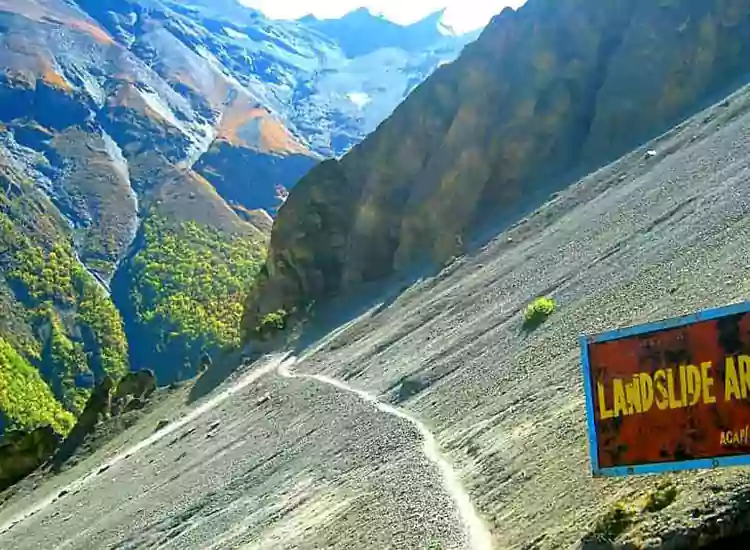
Making your trek from Nar village to Nagwal villages, via the Kanga La Pass (5,416 m), is a challenging yet rewarding day of your entire trek. This pass is known to connect the Nar village to the Ngawal village, which offers you spectacular vistas of the Annapurna range. As you move from Nar village, the trail becomes steeper and more rugged, with some slippery rocky sections.
Reaching the top of Kanga La Pass, treats to the stunning panoramic views of surrounding Himalayan peaks, such as Annapurna II, Gangapurna, Tilicho Peak, and Himlung Himal. After enjoying and spending quality time at the mountain pass, you then descend, passing through sloppy sections. As you near Ngawal, the steep descent can be hard, yet the stone-paved routes can be easier if you are a first-time trekker. Upon arriving in Ngawal village, a larger village offering you better and more comfortable facilities.
On Day 10, you will be trekking from Nagwal Village to Pisang, which is relatively short and takes about 4 to 5 hours, depending on the trail conditions and pace of walking. The walk from Ngawal village to Pisang is relatively easy, as the trail includes gradual descents, which is easier on your knees. After reaching Pisang, you have your lunch and take on a scenic drive to Besisahar. The drive from Pisang to Besisahar is long and bumpy at times. The road is unpaved with winding routes, taking about 4 to 6 hours, depending on the road and traffic conditions.
The drive from Besisahar to Kathmandu covers approximately around 175 km, taking about 6 to 8 hours, depending on the road and traffic conditions. The drive involves scenic views of rivers, stunning hills, and rural areas of Nepal, following the Prithivi Highway. During the drive, some sections of the road can be bumpy, yet the overall drive is more comfortable and enjoyable. The drive offers you eye-catching views of Himals such as Manaslu and Annapurna, only during clear days. Reaching Kathmandu, you are dropped at your designated hotel, where you can rest and spend your time buying souvenirs.
Day 12 is your final day in Kathmandu, as you will be transferred to the Tribhuvan International Airport by one of our team representatives, depending on your departure time. If you have enough time, you can enjoy exploring the places that were left to be explored, offering you chances to learn more about this country. Thank you for trusting the team of Nepal FootPrint Holidays, and we wish you a comfortable and safe flight back home.
The itinerary for the Nar Phu Valley trek is an outline and can be changed as per the unfavorable conditions, due to safety and security reasons. Reaching restricted regions of Nepal involves passing remote locations, where there are limited amenities available. Therefore, if any types of unforeseen circumstances arise during the trek, the guide will give you an alternative route to complete the journey, as they are well-known about the trails, ensuring you have a safe and comfortable experience. So, we suggest trekkers stay calm and have proper coordination with the guide to make the journey peaceful during such times.
Guide for the Nar Phu Valley Trek is one of the crucial parts of the entire journey, as they help you stay safe and navigate through well-marked trails. Journey with a guide not only helps you with proper navigation but also arranges permits, manages accommodation and meals, and helps you interact with the locals of this region. As independent trekking to restricted areas is not allowed, having a guide is necessary for safety reasons.
Similarly, a porter for this trek helps you carry your heavy luggage and ensures you complete the journey more comfortably. The porter carries your heavy luggage and helps you interact with the local communities, as they are the residents of this region. Therefore, for the Nar Phu Valley Trek, having a licensed guide and local porter is necessary.
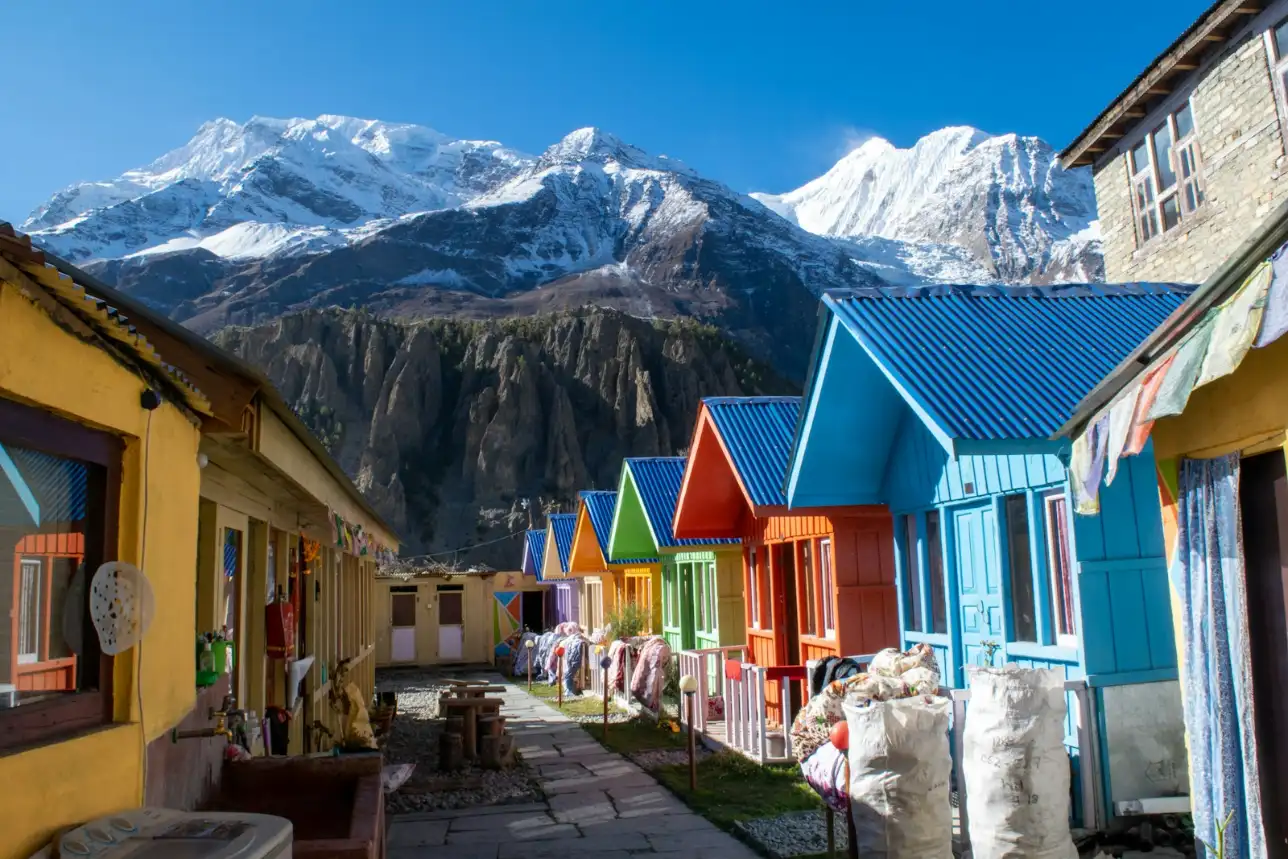
Accommodation for the Nar Phu Valley trek is mostly provided in local teahouses, which are run by the locals of the region. The teahouses include simple rooms, twin beds, warm blankets, dinning hall, and shared bathrooms, mainly at higher altitudes. During your stay at local teahouses, you have chances to interact with the locals, as they offer you a more engaging experience and information about the history.
Food for the Nar Phu Valley Trek is simple, yet delicious and fulfilling, providing you with energy for long walking hours. The food is also cooked by the locals, using local ingredients that make the food more tasty and nutritious. Food such as Dal Bhat, fried rice, noodles, and pasta are mostly available, with hot tea and coffee options at higher altitude.
Nar Phu is a restricted area in Nepal, so you need several mandatory permits. Obtain all of them before the journey, because they are checked at various points along the trail. You must trek through a registered trekking agency in Kathmandu, which obtains the Restricted Area Permit (RAP) on your behalf.
The Annapurna Conservation Area Permit is mandatory, because the trek passes through the conservation area. The fees support conservation, trail maintenance and local infrastructure. The permit is issued at the Nepal Tourism Board office in Kathmandu.
Permit rules, including TIMS requirements, have changed in recent years, so we confirm the current rules and fees for your dates before you travel. For official visitor information, visit the Nepal Tourism Board website, or read our trekking permit guide.
One of the important factors to be considered for the Nar Phu Valley Trek is the time and season you attempt the journey. Choosing the best time ensures your overall experience, as there are some unfavorable as well as peak times to trek in Nepal.
Spring is one of the best seasons to trek the Nar Phu Valley, rewarding you with unforgettable experiences throughout the journey. During this time, the temperature is pleasant, the skies are clear, and there are dense forests, making the way even more peaceful. If you want an authentic cultural experience, then spring can be the time to take on the journey, as this season includes several mountain festivals. The temperature is chill in the morning, whereas, colder at night, especially at higher elevations.
Autumn is the peak time for trekking in Nar Phu Valley, as this time is more preferred by many trekkers. This season, treats you to well-maintained trails, blooming flowers, as well as astonishing views of the surrounding mountains. However, being the peak time for trekking, there are limited facilities for accommodations, so it is highly recommended for early bookings. During this time, evenings can be cold at higher altitudes, especially in November.
Winter is not the best time for the Nar Phu Valley Trek, as during this time there are high chances of heavy snowfall, mainly at higher elevations, which can block the routes. Winter trek to Nar Phu Valley is highly recommended for experienced trekkers, as they can easily navigate with proper preparation and winter gear. However, the views seen during this time are amazing, as the surrounding mountains are full of snow.
The summer trek to Nar Phu Valley is not recommended, but still accessible, as this region lies in the rain shadow, which has less rain than other trekking areas. During this time, the views are blocked due to heavy clouds, but the peaceful trails still make the journey worth it. At lower altitudes, the trails might get slippery, and chances of landslides.
For a wider view, read our best time to trek in Nepal guide.
Having all the required gear and packing for the Nar Phu Valley Trek is important for a safe and better approach. As the journey includes reaching restricted areas, having proper equipment is also crucial due to the limited amenities available.
Packing: For the full checklist, see our trekking equipment list.
Travel Insurance is one of the important things to be considered while trekking in Nepal, mainly in the restricted areas. When reaching such areas, including limited medical facilities and walking through challenging trails, having travel insurance is a must. But before ensuring yourself with travel insurance, make sure the policy includes high-altitude trekking, emergency helicopter evacuation, medical treatment, trip cancellations, and even lost baggage. Having all these things covered in your policy can make your journey stress-free and more comfortable.
Insurance: Choose a policy that covers trekking above 5,000 m and helicopter evacuation, and read our altitude sickness guide.
We are a Government of Nepal registered trekking company based in Kathmandu. Licensed guides, local porters and small groups keep each trek safe and personal. Learn more about why travelers choose Nepal Footprint Holiday, or read our guide to the best treks in the Annapurna region.
Ready to explore the hidden valleys of Nar and Phu? Our team can arrange your Nar Phu trek with the required restricted area permit, acclimatization days, and a licensed trekking guide.
Tell us your travel month, group size, and trekking experience, and we will prepare a trekking plan based on your schedule and preferences.
Prefer a call?
+977-1-4701091 or 9841459861.
It is in the Manang district, one of Nepal’s remote and restricted areas, where you need special permits to trek.
The valleys lie close to the Tibetan border and preserve ancient Tibetan culture, traditional stone houses and stunning landscapes. Special rules and permits apply.
The highest point is Kang La Pass, at about 5,320 m. It needs good fitness and previous high-altitude experience.
You can expect remote landscapes, authentic Tibetan Buddhist culture, basic teahouses and the traditional lifestyle of the local people.
We do not recommend it for complete beginners. You need good fitness and previous multi-day trekking experience, ideally at altitude.
You can see Annapurna II, Gangapurna, Himlung Himal, Pisang Peak and Tilicho Peak.
It offers a quiet, authentic Himalayan experience, with untouched landscapes, ancient monasteries and remote villages.
Yes. Many trekkers combine the two, because Nar Phu begins and ends on the Circuit trail. Ask us for a longer itinerary.
You need a Restricted Area Permit and an Annapurna Conservation Area Permit (ACAP). We arrange both for you.
No. Restricted-area permits are not issued to individual trekkers, so you must trek with a licensed guide through a registered agency.
Permit rules have changed in recent years, so we confirm the current TIMS requirement for your dates and handle it for you.
Spring (March to May) and autumn (September to November) offer the most pleasant temperatures, clear views and well-marked routes.
You stay in local teahouses run by local families. Rooms are basic, with twin beds and blankets, and bathrooms are shared, especially at higher altitudes.
The Kang La Pass crossing (about 5,320 m) on Day 09 is the hardest part. It is long, steep and rocky, and it comes after several nights above 4,000 m.
Yes. Tell us before you book, and we can add acclimatization days or combine the trek with the Annapurna Circuit.
Our package starts from US$1,550 per person. It covers permits, accommodation, meals, a licensed guide and a porter. Flights, visa fees and personal expenses are extra.
Choose Nar Phu for a remote, culture-focused trek in 12 days. Choose the Annapurna Circuit for the classic 16-day route with more services.
Number of Days
Total Destinations
Travellers
Happy Traveler