

Location
Annapurna RegionDuration
12 DaysAltitude
5,416 m (17,769 ft)Difficulty
ModerateGroup Size
2-16 paxBest Season
Spring (Mar - May) and Autumn (Sep - Nov)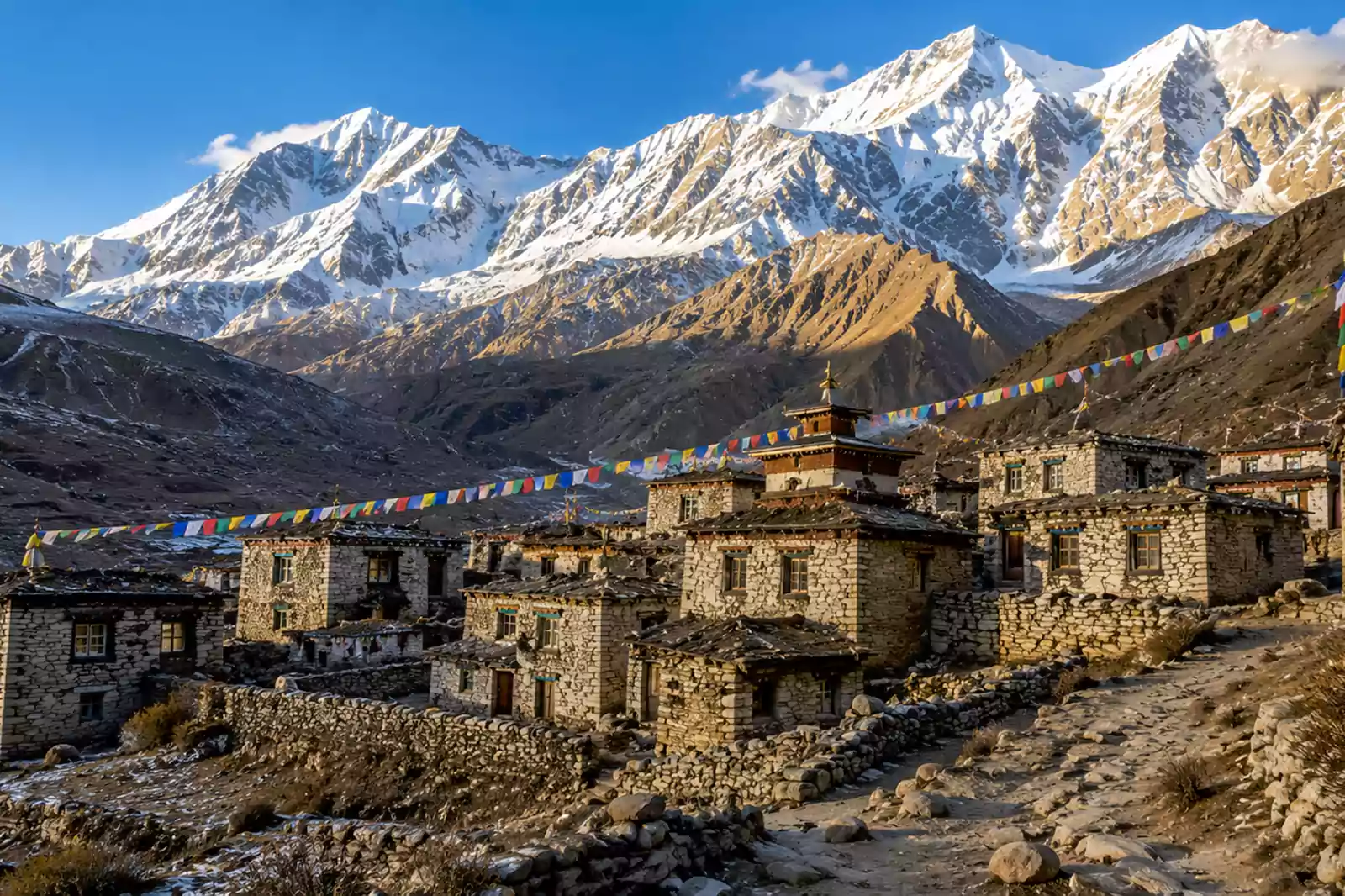
The Nar and Phu twin valley trek is one of the hidden gems in the Annapurna region of Nepal, well-known for its remote and rich Buddhist culture. This trek is considered to take you away from busy trails and into the peaceful and less-explored Himalayan valley.
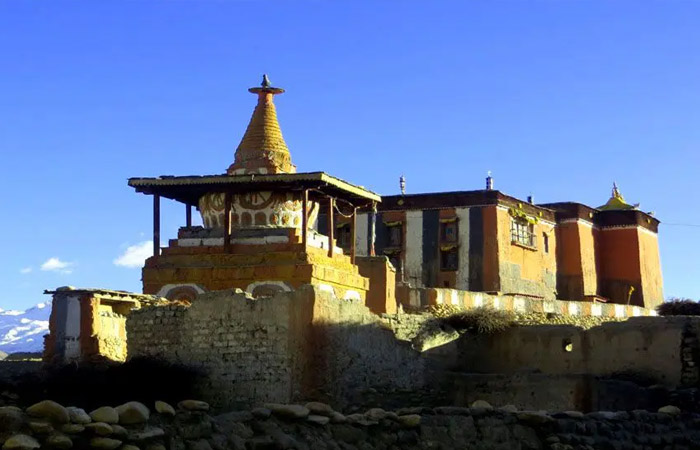
The journey includes passing through deep forests, narrow gorges, ancient valleys, and high mountain passes. Along the way, trekkers pass through old monasteries, prayer wheels, chortens, and stone-built houses that reflect centuries-old traditions. The villages of Nar and Phu are the major highlights, offering a deep insight into local culture and lifestyle.
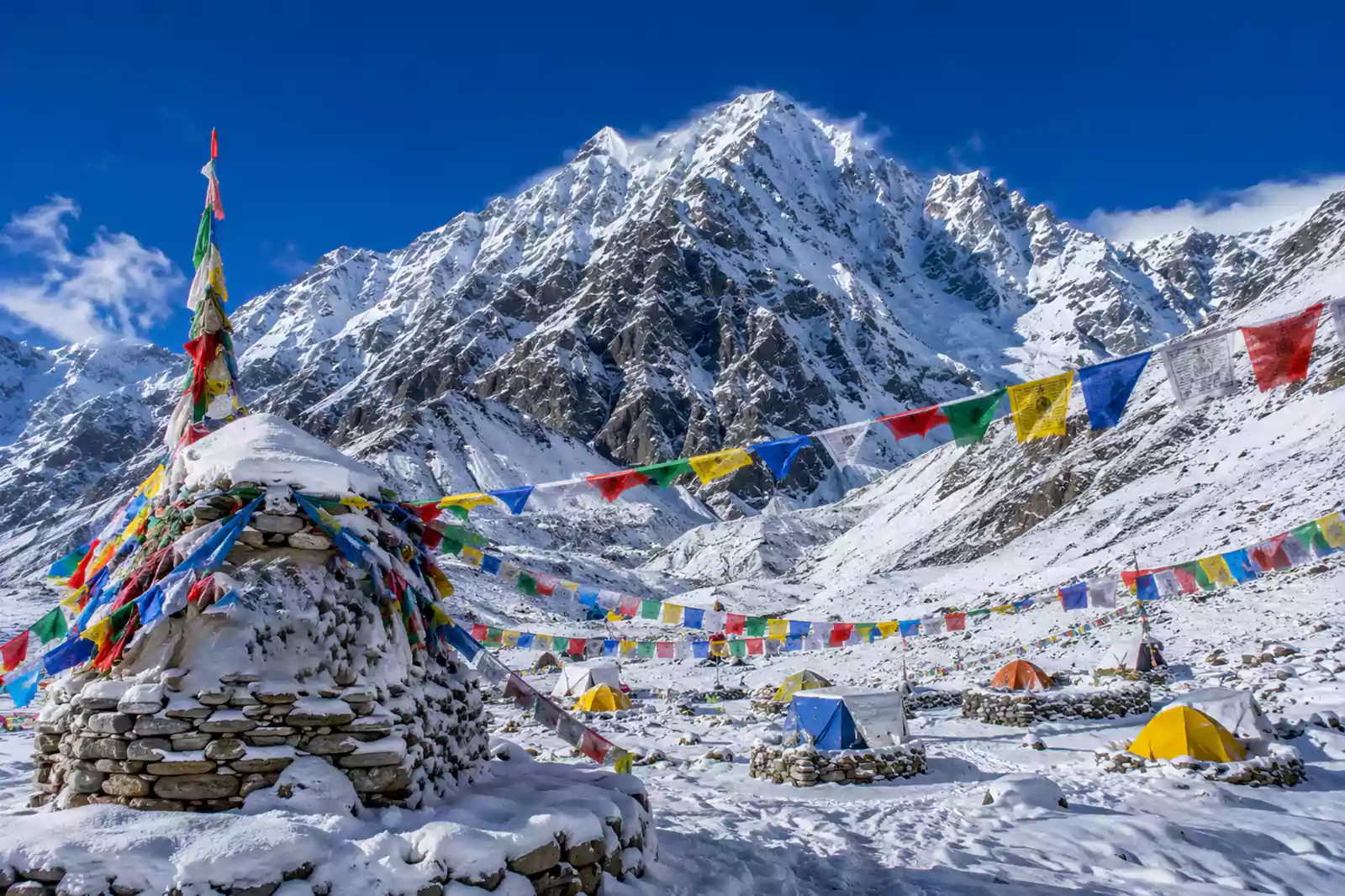
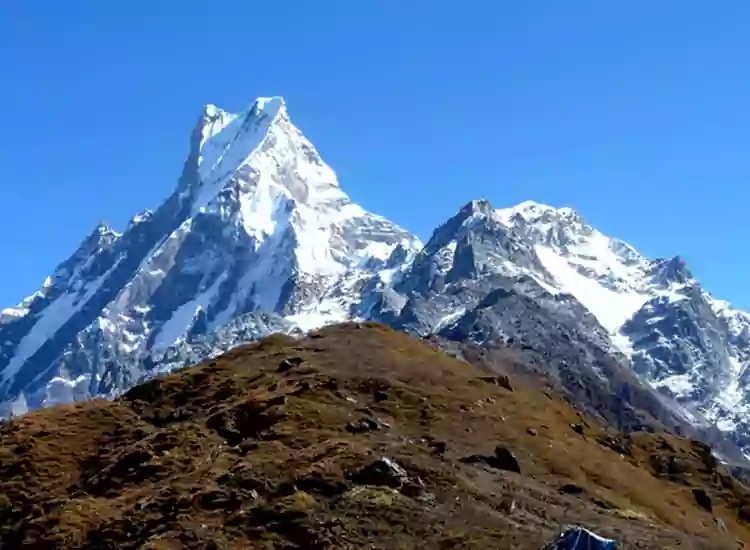
What really makes the Nar Phu Valley Trek impressive is the major attractions and the stunning mountain scenery. Magnificent views such as Annapurna II, Gangapurna, Tilicho Peak, and other snow-capped Himalayan peaks are visible during the trek. Crossing the Kang La Pass (5,416 m) is challenging and rewarding, providing breathtaking panoramic views of its surrounding mountains.
Nar Phu Valley trek require basic physical fitness while the trek route and Kangla pass is up and downhill walk. With proper acclimatization at higher altitudes, the overall trek offers a perfect mix of natural beauty, cultural exploration, and thrilling adventure, making it a truly unforgettable Himalayan experience.
The Nar Phu Valley is one of the remote and hidden valleys, located in the Manang District of Nepal. This valley trek is situated in the Manang District, near the Nepal-Tibet border, and is primarily surrounded by high Himalayan peaks and rugged landscapes. This is one of the restricted areas, which has helped preserve its natural beauty and traditional Tibetan culture.
The valley comprises two main villages, Nar and Phu, renowned for their ancient monasteries, stone houses, and distinctive lifestyle. The trek to Nar Phu Valley usually starts from Koto village, near Chame on the Annapurna Circuit trail, before entering this less-crowded region.
Nar Phu Valley is a restricted trek in Nepal because of its remote location and sensitive cultural heritage. The area lies close to the Tibetan border and has a strong Tibetan Buddhist culture that the government wants to protect. To preserve local traditions, lifestyle, and natural environment, special trekking regulations are applied.
Trekkers need to obtain the Restricted Area Permit (RAP) and must travel with a licensed trekking guide through a registered trekking agency. However, if you are a solo trekker, then independent trekking is not allowed. These rules help control tourism, prevent huge crowds, and ensure the safety of trekkers while maintaining the beauty and identity of this region.
Yes, the Nar Phu Valley Trek can be done by first-time trekkers, but it comes with some important conditions. This trek is more challenging than beginner treks because of its remote trails, high altitude, long walking days, and limited facilities. Crossing high passes such as Kang La Pass also requires good physical fitness and mental preparation.
First-time trekkers can still complete this trek if they are physically fit, but with proper preparation in advance, and following proper acclimatization. Trekking with an experienced guide, walking at a steady pace, and being mentally prepared for basic accommodation are important.
If you are looking for a first trek, Nar Phu Valley can be a rewarding experience, but best suited for beginners who are well prepared rather than complete beginners with no trekking experience.
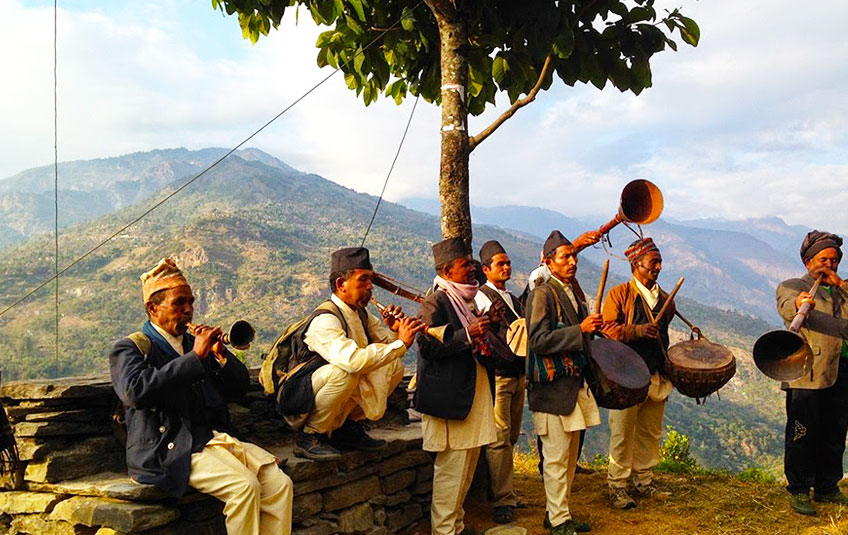
The Nar Phu Valley is renowned for its rich Tibetan culture, owing to its proximity to Tibet and its long history of Tibetan settlement. The people of the Nar and Phu villages have been preserving their traditional way of life for centuries, with minimal influence from modern culture. Their language, clothing, food, and daily lifestyle strongly reflect Tibetan traditions.
The valley is also rich in Tibetan Buddhist heritage, offering chances to visit ancient monasteries, chortens, prayer flags, mani walls, and prayer wheels, which are found throughout the trek. Religious festivals, rituals, and the warm hospitality of local people provide trekkers with a deep cultural experience, making the Nar Phu Valley trek one of the best places in Nepal to experience authentic Tibetan culture.
On Day 01, you will be arriving at the Tribhuvan International Airport, where one representative from our team will welcome you. After a short meet and greet, you will be picked up and transferred to your hotel in Kathmandu. Once you check in, you can take some time to rest and refresh after the journey. In the evening, you can explore the nearby areas such as Thamel and Durbar Square.
On Day 02, you are offered a buffer day for your trek preparation. On this day, you will be finalizing your gear and taking a short briefing about the trek. After that, you will be taking on the short sightseeing tour to the UNESCO World Heritage Site in Kathmandu. You will be visiting places like Kathmandu Durbar Square, Boudha Stupa, Swyambhunath Stupa, and Pashupatinath Temple.
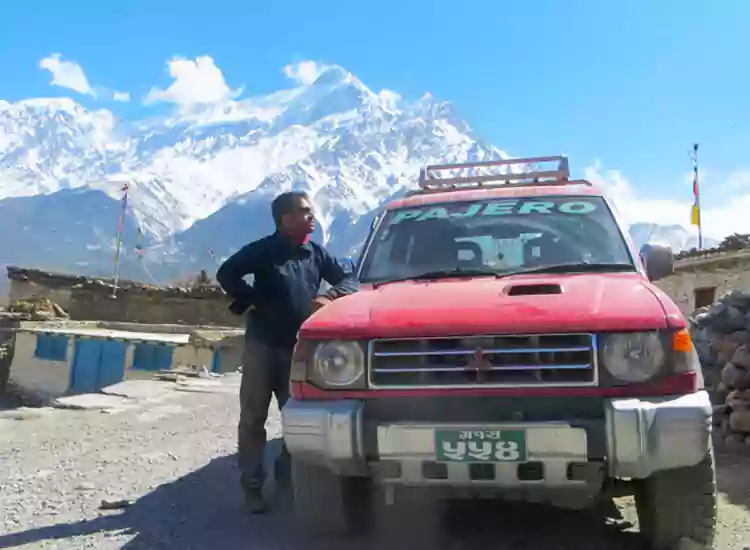
On Day 03, you will be taking an early morning drive from Kathmandu to Koto, taking approx 6 to 7 hours, through Besisahar and alongside the Marsyangdi River. The drive includes passing through local villages, transiting from bustling towns to more remote trekking landscapes. The road can be bumpy and rough at times, with amazing landscapes throughout the way. As you reach Koto, a small settlement area, which serves as the starting point for trekkers.
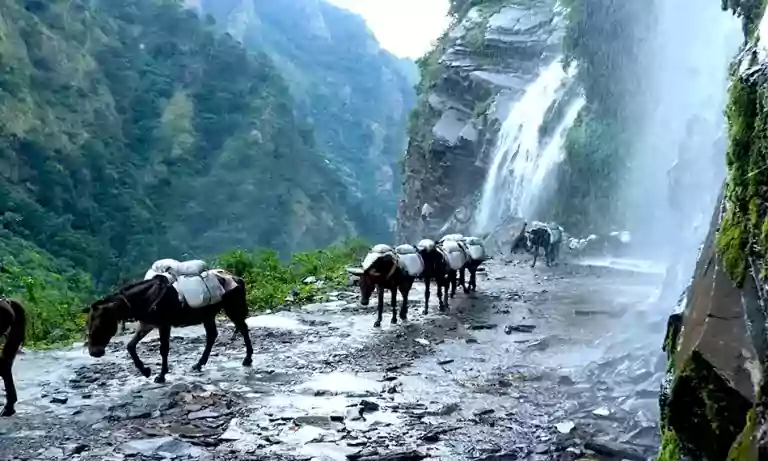
The Nar Phu Valley Trek mostly starts from Koto to Meta, which can be challenging, and the journey includes a scenic ascent. On this day, you will cross over several suspension bridges, winding through dense forests. As you ascend, you can witness a gradual change in the landscapes, from lush greenery to high-altitude desert conditions.
Starting your trek from Meta to Phu Village is one of the challenging yet rewarding journeys, involving passing through remote, high-altitude terrain, featuring amazing landscapes. Along the way, you can even see colorful prayer flags, mani walls, and excellent views of surrounding peaks such as Annapurna II, Pisang Peak, Himlung Himal, and Mount Kang Guru. Today, there are chances to encounter wildlife, including blue sheep and Himalayan tahr. As you reach Phu Village, a dramatic perched village on a ridge, offering traditional stone houses, where you can rest.
Today is an extra day for acclimatization in Phu Valley, as on this day, you can take a short hike to higher points, or even explore the nearby areas, and interact with the locals. On this day, you can take a short hike to Himlung Himal Base Camp, one of the most popular and rewarding hikes towards the Himlung Himal Base Camp. You can visit the Tashi Lakhang Monastery, an ancient Buddhist monastery, which is believed to have been built by Karmapa Rinpoche.
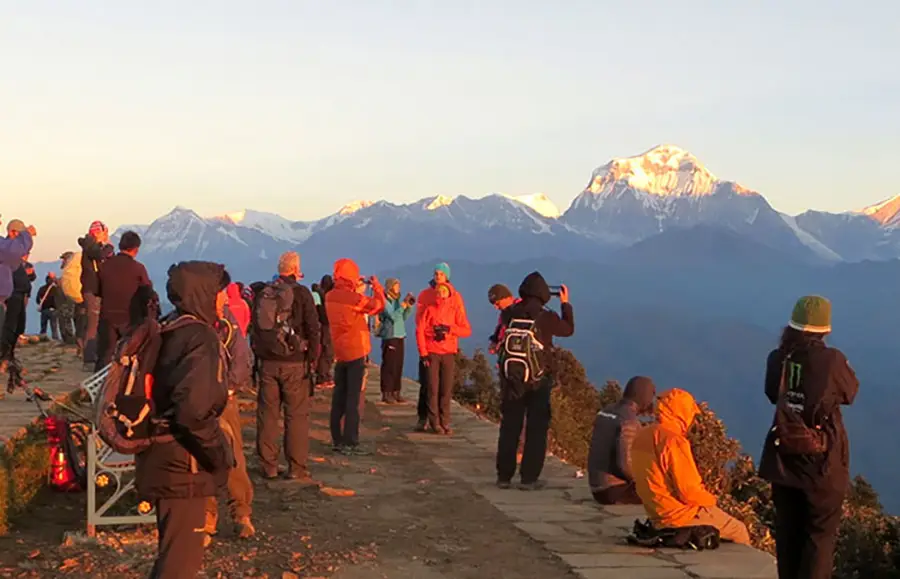
If you don’t want to ascend higher altitude, you can explore Phu village, as you enjoy the unique culture and traditions. As Phu Valley is mostly influenced by the Gurung and Tibetan communities. From this point, you can even enjoy the breathtaking views of the Himalayan peaks, such as Annapurna II, Himlung Himal, Gangapurna, and Pisang Peak.
On Day 07, you will travel from Phu Valley to Nar Phadi, passing through scenic landscapes, mani walls, and highland meadows. The journey takes you alongside the banks of the Phu Khola, as you cross over several suspension bridges. Today’s journey is known to offer you spectacular views of Annapurna II and Lamjung Himal. As you reach Nar Phedi, a place well-known for its ancient monasteries, you are accommodated with basic facilities at teahouses.
Trekking from Nar Phedi to Nar Village, on Day 08, is short yet scenic, rewarding with chances for cultural immersion and a visit to ancient monasteries, as well as interacting with the Tibetan locals. Along the way, you can explore monasteries such as Tashi Lhakhang and witness the traditional Tibetan-influenced Gurung villages and unique architecture. The walk is more enjoyable as you reach into the heart of the rich Nar villages.
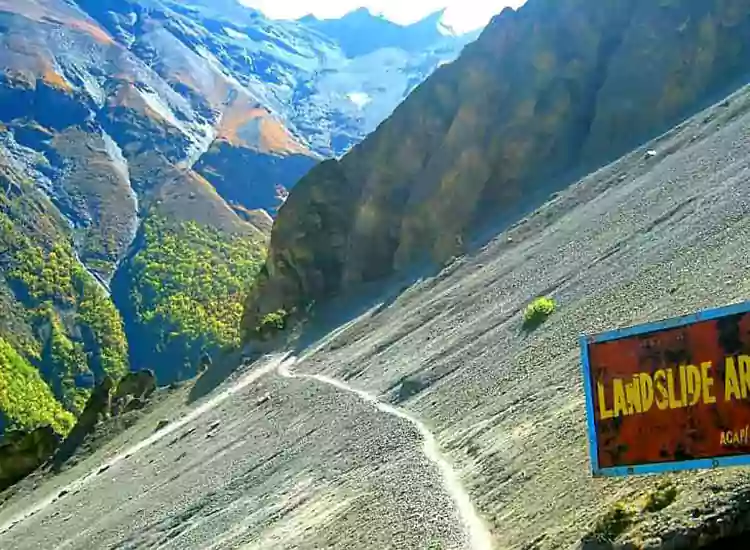
Making your trek from Nar village to Nagwal villages, via the Kanga La Pass (5,416 m), is a challenging yet rewarding day of your entire trek. This pass is known to connect the Nar village to the Ngawal village, which offers you spectacular vistas of the Annapurna range. As you move from Nar village, the trail becomes steeper and more rugged, with some slippery rocky sections.
Reaching the top of Kanga La Pass, treats to the stunning panoramic views of surrounding Himalayan peaks, such as Annapurna II, Gangapurna, Tilicho Peak, and Himlung Himal. After enjoying and spending quality time at the mountain pass, you then descend, passing through sloppy sections. As you near Ngawal, the steep descent can be hard, yet the stone-paved routes can be easier if you are a first-time trekker. Upon arriving in Ngawal village, a larger village offering you better and more comfortable facilities.
On Day 10, you will be trekking from Nagwal Village to Pisang, which is relatively short and takes about 4 to 5 hours, depending on the trail conditions and pace of walking. The walk from Ngawal village to Pisang is relatively easy, as the trail includes gradual descents, which is easier on your knees. After reaching Pisang, you have your lunch and take on a scenic drive to Besisahar. The drive from Pisang to Besisahar is long and bumpy at times. The road is unpaved with winding routes, taking about 4 to 6 hours, depending on the road and traffic conditions.
The drive from Besisahar to Kathmandu covers approximately around 175 km, taking about 6 to 8 hours, depending on the road and traffic conditions. The drive involves scenic views of rivers, stunning hills, and rural areas of Nepal, following the Prithivi Highway. During the drive, some sections of the road can be bumpy, yet the overall drive is more comfortable and enjoyable. The drive offers you eye-catching views of Himals such as Manaslu and Annapurna, only during clear days. Reaching Kathmandu, you are dropped at your designated hotel, where you can rest and spend your time buying souvenirs.
Day 12 is your final day in Kathmandu, as you will be transferred to the Tribhuvan International Airport by one of our team representatives, depending on your departure time. If you have enough time, you can enjoy exploring the places that were left to be explored, offering you chances to learn more about this country. Thank you for trusting the team of Nepal FootPrint Holidays, and we wish you a comfortable and safe flight back home.
The itinerary for the Nar Phu Valley trek is an outline and can be changed as per the unfavorable conditions, due to safety and security reasons. Reaching restricted regions of Nepal involves passing remote locations, where there are limited amenities available. Therefore, if any types of unforeseen circumstances arise during the trek, the guide will give you an alternative route to complete the journey, as they are well-known about the trails, ensuring you have a safe and comfortable experience. So, we suggest trekkers stay calm and have proper coordination with the guide to make the journey peaceful during such times.
Guide for the Nar Phu Valley Trek is one of the crucial parts of the entire journey, as they help you stay safe and navigate through well-marked trails. Journey with a guide not only helps you with proper navigation but also arranges permits, manages accommodation and meals, and helps you interact with the locals of this region. As independent trekking to restricted areas is not allowed, having a guide is necessary for safety reasons.
Similarly, a porter for this trek helps you carry your heavy luggage and ensures you complete the journey more comfortably. The porter carries your heavy luggage and helps you interact with the local communities, as they are the residents of this region. Therefore, for the Nar Phu Valley Trek, having a licensed guide and local porter is necessary.
Accommodation for the Nar Phu Valley trek is mostly provided in local teahouses, which are run by the locals of the region. The teahouses include simple rooms, twin beds, warm blankets, dinning hall, and shared bathrooms, mainly at higher altitudes. During your stay at local teahouses, you have chances to interact with the locals, as they offer you a more engaging experience and information about the history.
Food for the Nar Phu Valley Trek is simple, yet delicious and fulfilling, providing you with energy for long walking hours. The food is also cooked by the locals, using local ingredients that make the food more tasty and nutritious. Food such as Dal Bhat, fried rice, noodles, and pasta are mostly available, with hot tea and coffee options at higher altitude.
For the Nar Phu Valley Trek, a restricted area in Nepal, you need to obtain several mandatory permits to ensure a safe and hassle-free experience. Having all these permits obtained before the journey is important, as they are checked at various points along the trails. Below are the important permits to be obtained for the Nar Phu Valley Trek.
As Nar Phu is one of the restricted areas in Nepal, obtaining the Restricted Area Permit is necessary, as without this permit, you are not allowed to make your entry to this region. To secure this permit, you must be trekking through a registered trekking agency in Kathmandu, as they help you obtain this permit on your behalf.
Cost for the Nar Phu Restricted Area Permit (RAP)
The Annapurna Conservation Area Permit is one of the mandatory permits to be obtained for the Nar Phu Valley Trek, as the journey includes passing through the conservation area. The main objective of this permit is to ensure safety and make sure you follow all the rules and guidelines implemented by the government authorities. The fees collected from this permit are utilized for conservation efforts, maintenance of trails, and ensures for proper development of infrastructure. This permit can be obtained from the Nepal Tourism Board Office in Kathmandu.
Cost of the Annapurna Conservation Area Permit (ACAP)
One of the important factors to be considered for the Nar Phu Valley Trek is the time and season you attempt the journey. Choosing the best time ensures your overall experience, as there are some unfavorable as well as peak times to trek in Nepal.
Spring is one of the best seasons to trek the Nar Phu Valley, rewarding you with unforgettable experiences throughout the journey. During this time, the temperature is pleasant, the skies are clear, and there are dense forests, making the way even more peaceful. If you want an authentic cultural experience, then spring can be the time to take on the journey, as this season includes several mountain festivals. The temperature is chill in the morning, whereas, colder at night, especially at higher elevations.
Autumn is the peak time for trekking in Nar Phu Valley, as this time is more preferred by many trekkers. This season, treats you to well-maintained trails, blooming flowers, as well as astonishing views of the surrounding mountains. However, being the peak time for trekking, there are limited facilities for accommodations, so it is highly recommended for early bookings. During this time, evenings can be cold at higher altitudes, especially in November.
Winter is not the best time for the Nar Phu Valley Trek, as during this time there are high chances of heavy snowfall, mainly at higher elevations, which can block the routes. Winter trek to Nar Phu Valley is highly recommended for experienced trekkers, as they can easily navigate with proper preparation and winter gear. However, the views seen during this time are amazing, as the surrounding mountains are full of snow.
The summer trek to Nar Phu Valley is not recommended, but still accessible, as this region lies in the rain shadow, which has less rain than other trekking areas. During this time, the views are blocked due to heavy clouds, but the peaceful trails still make the journey worth it. At lower altitudes, the trails might get slippery, and chances of landslides.
Having all the required gear and packing for the Nar Phu Valley Trek is important for a safe and better approach. As the journey includes reaching restricted areas, having proper equipment is also crucial due to the limited amenities available.
Travel Insurance is one of the important things to be considered while trekking in Nepal, mainly in the restricted areas. When reaching such areas, including limited medical facilities and walking through challenging trails, having travel insurance is a must. But before ensuring yourself with travel insurance, make sure the policy includes high-altitude trekking, emergency helicopter evacuation, medical treatment, trip cancellations, and even lost baggage. Having all these things covered in your policy can make your journey stress-free and more comfortable.
The Nar Phu Valley Trek is located in the Manang District, which is considered to be one of Nepal’s remote and restricted areas, where you need to obtain certain permits to legally trek in this region.
Nar Phu Valley Trek is considered a restricted area in Nepal, as this is one of the hidden gems, where ancient Tibetan culture, traditional stone houses, and stunning landscapes are preserved.
The highest altitude to be reached is at Kang La Pass (5,306 m), requiring good fitness and prior high-altitude experience. However, having a guide can help you navigate safely.
During the Nar Phu Valley Trek, you can expect remote landscapes, which are untouched by many visitors, experience authentic Tibetan Buddhist culture, and the traditional lifestyles of the locals.
Yes, if this is your first time trekking in Nepal, Nar Phu Valley can be easily done by you. The overall journey can be completed by someone with proper fitness, acclimatization, and a steady pace.
Mountain views seen during the trek to Nar Phu Valley are Annapurna II, Gangapurna, and Himlung Himal.
The journey offering an authentic Himalayan experience, untouched landscapes, ancient monasteries, and remote villages such as Nar and Phu is what makes the Nar Phu Valley Trek in 2026 popular.
Yes, most of the trekkers combine their Nar Phu Valley trek with the Annapurna Circuit, as the overall journey is known to offer a seamless experience.
The Nar Phu Restricted Area Permit and the Annapurna Conservation Area Permit (ACAP) are the necessary permits to be obtained for the Nar Phu Valley Trek.
No, as trekking to a restricted area is not possible, having a licensed guide and local porter is essential, as they ensure your safety throughout the trek.
No, the Trekkers Information Management System Card (TIMS) is not required for trekking to Nar Phu Valley. However, if you plan to combine with the Annapurna Circuit, obtaining this permit is highly recommended.
Trekking to Nar Phu Valley is mainly done at the time of spring (March – May) and autumn (September – November), offering pleasant temperatures, well-marked routes, and crystal-clear views.
Accommodation for the Nar Phu Valley Trek is mostly provided in local teahouses, which are mostly run by the local families. The rooms are basic, with twin beds, warm blankets, and shared bathrooms, usually at a higher altitude.
The most challenging parts of the Nar Phu Valley trek are while crossing the Kang La Pass (5,320 m), offering breathtaking panoramic views of the surrounding mountains.
Yes, it is possible to customize the Nar Phu Valley trek itinerary, but you have to inform us earlier to make necessary changes. However, the Nar Phu Valley Trek itinerary prepared by the NFH team is designed specifically for first-time trekkers, which includes more acclimatization days.
Number of Days
Total Destinations
Travellers
Happy Traveler