Itinerary Disclaimer
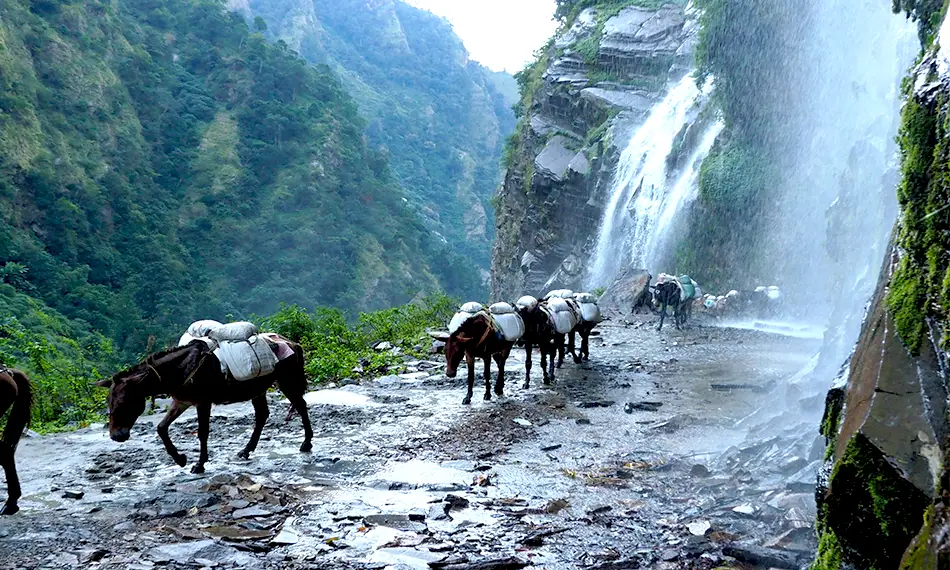
The Itinerary for the Annapurna Circuit Trek is just an outline and can be changed as per the conditions in the mountain areas. They are necessary to be changed to make sure you stay safe and enjoy your trek comfortably. As mountain weather keeps changing rapidly, there are harsh conditions, where you even need to delay the hike. So, in such conditions, the team Guide will provide you alternative way to ensure the trek is completed on time.
Lodging and Food for this trek
The Annapurna Circuit Trek consists of staying in local teahouses, which are small mountain lodges run by local families. The rooms are generally twin-sharing with basic beds, blankets, and pillows. At lower altitudes, some lodges have attached bathrooms and provide WiFi and hot showers for free.
The meals on the trek are freshly cooked at the lodges. You will be served a range of items such as Dal Bhat, noodles, pasta, fried rice, soups, potatoes, eggs, and pancakes. Dal Bhat is common because it is filling and easily made. Throughout the route, tea, coffee, and hot drinks are offered. At higher altitudes, the menu gets more basic yet delicious.
Annapurna Circuit Trek – Licensed Guide and Porter
To take care of your safety, proper navigation, and other things, we highly recommend having a professional guide on the Annapurna Circuit Trek. A licensed trekking guide knows the way well, helps with acclimatization, takes care of permits, and handles logistics. They teach you about the local culture, traditions, assisting your way through the mountains and villages. This can be beneficial when making your way across Thorang La Pass, as weather and trail conditions can change very quickly.
In the same way, porter carries your main duffel bag, shared between two trekkers in some cases. This reduces physical strain and helps conserve energy for long days of trekking. Having a guide and porter even helps to boost the local economy, ensuring a responsible tourism path within the Annapurna region.
Essential Packings and Gear Required
For a safe and enjoyable Annapurna Circuit Trek, packing the right gear is essential. The proper clothing, equipment, and accessories help you stay warm, comfortable, and prepared for the changing weather conditions.
Clothing
- Warm insulated jacket (down or synthetic)
- Waterproof and windproof jacket and pants
- Base layers (thermal tops and bottoms)
- Trekking pants and quick-dry shirts
- Fleece or warm mid-layers
- Gloves, hat, and warm socks
- Sun hat and sunglasses for high-altitude sun protection
Footwear
- Comfortable trekking boots (waterproof)
- Trekking shoes or lightweight sandals
- Extra pairs of socks
Gear and Accessories
- Daypack (25-30L) for daily essentials
- Sleeping bag (rated for cold temperatures at higher altitudes)
- Water bottles or hydration system
- Personal toiletries and a quick-dry towel
- Sunscreen and lip balm
- Headlamp and flashlight with extra batteries
- First aid kit and personal medications
Annapurna Circuit Trek Best Time to Reach
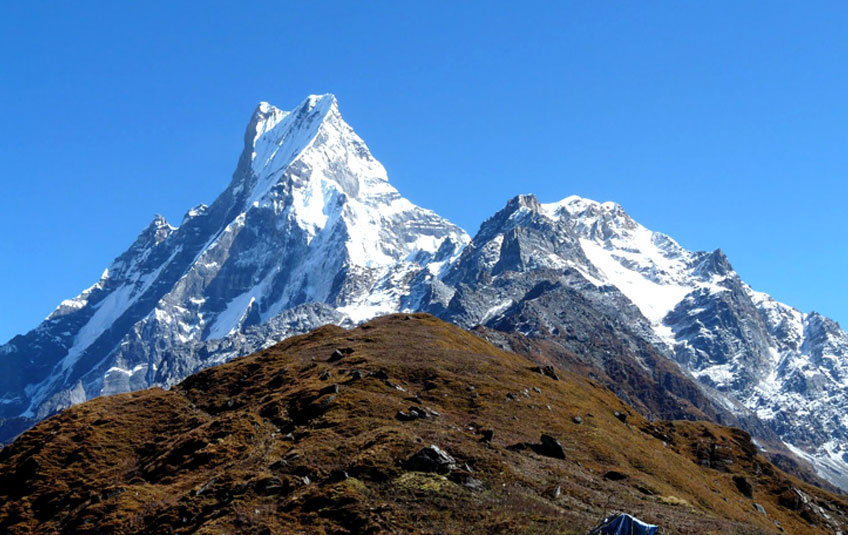
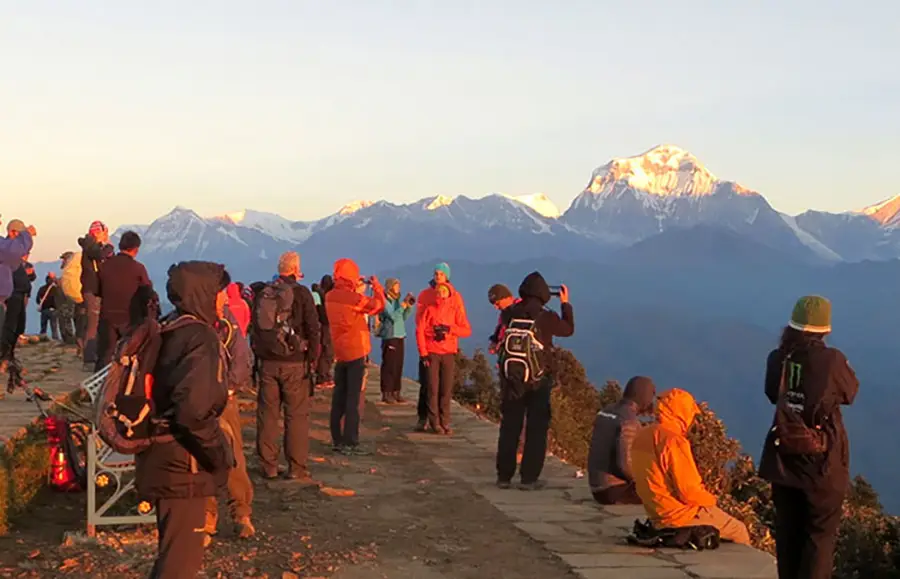
The Annapurna Circuit Trek is most done in the months of spring and autumn, when the weather is clear, the temperature is moderate, and the mountain views are eye-catching. Spring makes the trail more blooming and lush green valleys, while autumn provides crisp air and unobstructed views of Annapurna I, Dhaulagiri, and Machapuchare.
Winter trekking is possible but can be colder and snowier at higher altitudes, suitable and recommended for experienced trekkers. Monsoon season is known to bring heavy rainfall, slippery trails, and limited visibility, so it is not the perfect time.
To make the most of your trek, proper planning and precautions are essential. For detailed information for the best Season to attempt the Annapurna Circuit Trek, you can check our blog, offering information about trek preparation, packing tips, and itinerary.
Permits Required
To take on the Annapurna Circuit Trek, you must need to obtain the Annapurna Conservation Area Permit (ACAP) and the Trekkers Information Management System Card (TIMS). This permit allows your legal entry to the protected Annapurna region. Make sure you carry both of the permits throughout the trail, as there are checkpoints where you need to present them.
These permits can be arranged in Kathmandu or Pokhara, through a registered trekking agency from the Nepal Tourism Board Office. The fees may vary depending on your nationality; however, it is included on the trekking package. Journey with the permits can ensure a smooth and hassle-free trekking experience.
Safety Tips to be Followed for the Circuit Trek
The Annapurna Circuit Trek is an incredible adventure, but involves reaching at elevated heights and remote mountain areas. So, having little preparation and awareness can create a huge difference in keeping your journey safe and enjoyable. Below are some of the practical safety tips that need to be followed during the trek.
- Maintain a steady pace and don’t rush, especially as you gain altitude.
- Take rest days and acclimatize properly, mainly during your stay in Manang, as it can reduce the risk of altitude sickness.
- Drink plenty of water and choose nutritious meals like Dal Bhat to maintain your energy.
- If you get symptoms related to altitude sickness, inform your guide.
- While you cross Thorang La Pass, be mindful and start your walk early in the morning, as this time offers stable mountain weather.
- Carry proper gear and dress in layers, ensuring a good pair of trekking boots, rain protection, and essential items for changing mountain weather.
- Hire an experienced guide, as they can add safety to your journey and supports at the time of navigating through the confusing trails.
Travel Insurance
The travel insurance is another important part of planning your Annapurna Circuit Trek, especially while reaching to remote mountain areas. While you choose travel insurance, make sure it covers high-altitude trekking above 5,000 meters, including emergency evacuation and helicopter rescue if needed. Your insurance should also cover medical treatment, trip cancellations, lost luggage, and other necessary items. With proper insurance, you can focus on enjoying the breathtaking landscapes and cultural experiences of the Annapurna Circuit Trek.
FAQ’s – Annapurna Circuit Trek
-
Is the Annapurna Circuit Trek difficult for beginners?
The Annapurna Circuit Trek is considered a moderate to challenging journey, which requires technical climbing skills, good physical fitness, and proper stamina. So, if you are a novice trekker with these factors and positive mindset, you can easily complete this Circuit Trek.
-
What is the highest altitude to be reached for this trek?
The maximum point is approximately 5,416 m at Thorang La Pass, which is considered one of the highest mountain passes in the world.
-
What is the total distance of the Annapurna Circuit Trek?
The full circuit covers approximately 160-230 km, depending on the starting and ending point of your trek. This distance does not covers other side hikers.
-
What is the total duration of the Annapurna Circuit Trek?
The itinerary for the Annapurna Circuit Trek is around 14 to 16 days. This all depends on the route and acclimatization days included in your schedule.
-
Do I need to have a guide for this trek?
Yes, having a licensed guide is necessary for this trek and is highly recommended. They ensure your safety, offers local knowledge, and helps you pass through established routes, especially while crossing Thorang La Pass.
-
Is there any best months that I can plan the Annapurna Circuit Trek?
Spring and autumn are considered the peak seasons to plan your Annapurna Circuit journey. Both of these times make your hike worth it, offering pleasant temperatures, clear visibility, and stunning mountain views all around you.
-
Can the Annapurna Circuit Trek be done without any permits?
No, for the Circuit Trek, you need two essential permits: the Annapurna Conservation Area Permit (ACAP) and the Trekkers Information Management System Card (TIMS).
-
What type of accommodation is available during the trek?
The trek involves staying at mountain teahouse accommodation with simple twin-sharing beds, pillows, blankets, and shared bathrooms. The facilities might be basic but clean and comfortable for an overnight stay.
-
What is the duration of the wake per day?
On average, you walk for about 5 to 7 hours per day. It all depends on the distance, altitude, and time required for you to adjust to the thin mountain air.
-
Can I charge my phone during the trek?
Yes, charging facilities are provided at the local teahouses, where you stay overnight. But it might be for an extra small fee, at higher altitudes.
-
Is it necessary to have some prior trekking experience to take on the Annapurna Circuit Trek?
While previous experience is not required, you still have to be in good physical condition, have proper gear, and be mentally prepared. This helps to make your adventure easier and more successful.
-
What happens in case of an emergency during the Circuit Trek?
In case of serious altitude sickness or injury, emergency helicopter evacuation is arranged. So, be sure to have ensured with a travel insurance covering high altitude trekking, trip cancellations, medical treatment, and emergency helicopter evacuation.
-
How much cash should I carry?
For this Circuit Trek, carry enough Nepali rupees that are sufficient for personal expenses, drinking, charging, WiFi, hot showers, and tips for the guide and porter. Along the trail, there are no ATMs, so it is advisable to carry enough cash from Pokhara or Kathmandu.