

The Langtang Valley Trek Cost 2027 depends on your itinerary, transport, accommodation, meals, and guide arrangements. For planning purposes, budget around US500toUS900 per person for a basic to moderately supported 7 to 10-day trip, excluding international flights and any expenses before or after the trek. A fully organized package can cost more, depending on what it includes
Langtang is accessible by road from Kathmandu, so you do not need the domestic flight required for the classic Everest Base Camp route. However, transport, food, guide services, and extra nights still affect your total.
I am Bashu Dev Thapaliya, founder of Nepal Footprint Holiday. I have worked in Himalayan trekking and mountain biking since 1999. For a realistic budget, I recommend calculating the whole trip rather than looking at the advertised package price alone.
How much does the Langtang Valley Trek cost in 2027?
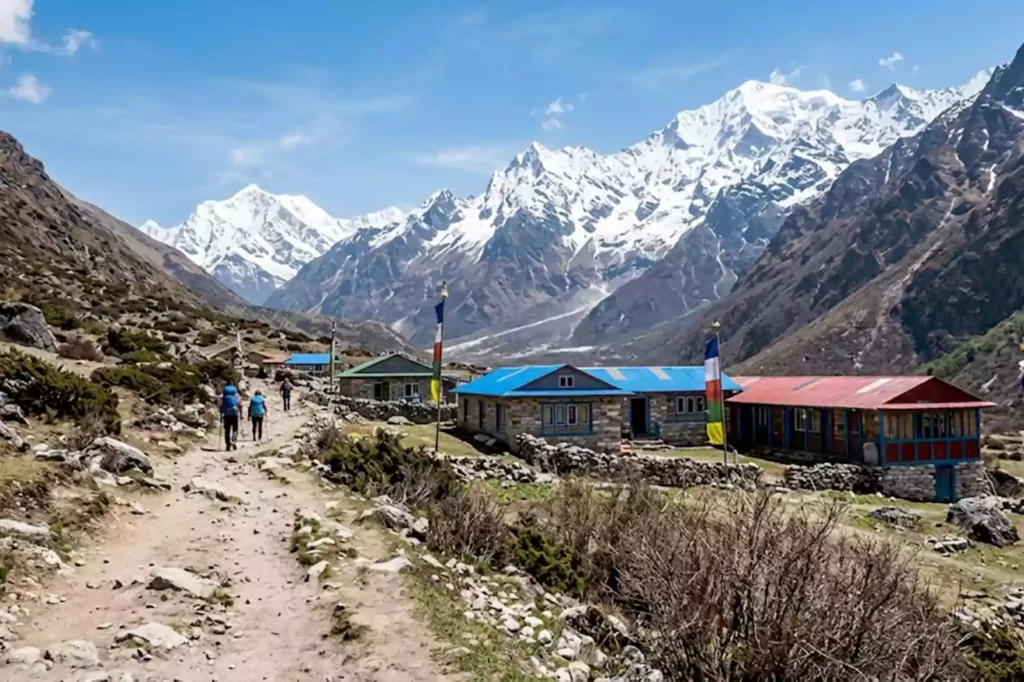
For a 7-10 day Langtang Valley Trek, use the following figures as preliminary planning estimates, not confirmed 2027 prices.
These ranges are not quotations. Your actual cost depends on group size, duration, guide and porter arrangements, and whether meals and transport are included. A solo trekker may pay more per person than two or four people sharing private transport and a porter.
Compare inclusions before comparing prices. A low package price can exclude meals, insurance, tips or transport that another operator includes.
What permits do you need, and how much do they cost?
The Langtang Valley Trek requires the applicable park-entry documentation. Confirm whether a TIMS card is required for your specific itinerary and nationality before departure, because permit arrangements and fees can change.
The Nepal Tourism Board lists the Langtang National Park entry fee as NPR 3,000 for foreign nationals, NPR 1,500 for SAARC nationals, and NPR 25 for Nepali citizens on its official Langtang National Park page. Check the current fee directly before your 2027 trip.
“`html
For more information about the protected area, its wildlife, landscapes and conservation importance, see our detailed guide to Langtang National Park. This will help you understand the national park beyond the entry permit and trekking expenses.
The Nepal Tourism Board’s TIMS information page explains the guide and TIMS rules for listed trekking routes. Do not assume every route or nationality has identical requirements.
You can also consult Nepal Footprint Holiday’s Nepal trekking permit guide for broader permit planning.
Budgeting tip: Keep permit fees separate from guide fees. A permit is a government requirement, while a guide is a paid service.
How much do guides and porters cost?
For preliminary budgeting, allow approximately US 25 to US 35 per day for a licensed guide and US 18 to US 25 per day for a porter. These are estimates supplied for planning, not confirmed 2027 quotations. Actual rates depend on experience, season, insurance, equipment and employment arrangements.
A guide helps with route decisions, communication, local arrangements and recognizing potential altitude-related problems. A porter carries agreed trekking equipment and luggage.
Is sharing a porter cheaper?
Yes. Two trekkers can often share one porter, provided the combined load stays within the porter’s agreed safe carrying limit.
For example, if a porter costs US$ 10 per day. That reduces the individual cost without requiring either trekker to carry the entire load.
Agree on the maximum weight before departure. Do not assume that every porter accepts the same load or that the lowest quote includes meals, accommodation, insurance and transport.
A guide who also carries luggage may be available in some circumstances, but confirm the service, load limit and responsibilities rather than assuming a guide and porter are interchangeable.
What does teahouse accommodation cost?
Basic twin-sharing rooms on the Langtang route may be advertised at around US3toUS10 per night, but rates depend on the village, season and lodge. Use this range as an estimate, not a guaranteed 2027 tariff.
A teahouse is a small mountain lodge where trekkers sleep and usually eat. Rooms become simpler at higher elevations, and private bathrooms or reliable hot water should not be expected everywhere.
The room-and-meal rule
One detail worth checking is the relationship between room prices and meals. Some lodges offer very cheap rooms when guests buy breakfast and dinner there. If you sleep in one lodge but eat elsewhere, the owner may charge a higher room rate.
However, a threefold or fourfold increase is not a universal rule. Ask the lodge about its actual policy before agreeing to the room.
How much should you budget for food and drinking water?
Allow around US20toUS35 per person per day for meals and drinks as a preliminary estimate. Your spending depends on appetite, menu choices, altitude and how many packaged drinks or snacks you buy.
Dal bhat, a traditional meal of rice, lentils and accompaniments, is a practical trekking option. Other menu choices, snacks, tea, coffee and bottled drinks add to the bill.
Why does food cost more at higher elevations?
Food prices often increase as the trail climbs because supplies must be transported from lower settlements. This can involve vehicles, mules, or human porters, depending on access.
Syabrubesi generally has more transport access than the upper valley. By the time you reach Kyanjin Gompa, packaged drinks and some menu items may cost noticeably more.
Rather than relying on one fixed price for every village, allow room in your budget for higher prices near the end of the valley.
Can you save money on water?
Yes. Carry a reusable bottle and use a suitable water treatment method, such as purification tablets or a reliable filter, when appropriate for the water source.
Bottled water becomes more expensive farther along the trail and creates additional plastic waste. Treatment is not a reason to drink untreated water: follow the product instructions and use a method suitable for the source.
How much does transport from Kathmandu to Syabrubesi cost?
The classic Langtang Valley Trek starts at Syabrubesi, which you can reach by road from Kathmandu. The Nepal Tourism Board describes access to Langtang National Park through Dhunche, about 117 km by road from Kathmandu. The driving distance and time to your actual trailhead depend on the route and road conditions.
These are preliminary estimates, not confirmed 2027 fares. Road conditions, seasonal demand, and vehicle arrangements affect both cost and travel time.
Private jeep versus local bus
A private jeep can make financial sense when several people share it. For example, US$ 30 each, one way. The same vehicle split between three people costs US$60 each.
A local bus remains cheaper for one person, but the saving may come with less space and a longer journey. Choose based on your budget, comfort needs, and schedule rather than assuming a private vehicle is always the best value.
What extra costs should you expect on the trail?
Small charges add up over a week or more. Allow a separate contingency for personal expenses.
These figures are indicative only. Confirm local rates when you book and ask which services are included in your lodge or package price.
How can you reduce extra spending?
- Bring a high-capacity power bank. A 20,000 mAh model can reduce the need for daily charging, provided you manage battery use and recharge it before the trek.
- Use a reusable water bottle. Suitable purification can reduce bottled-water purchases.
- Carry Nepali rupees. Card payments and ATMs are not reliable throughout remote trekking areas.
- Check package exclusions. Ask about meals, drinks, charging, showers, insurance, and tips before paying a deposit.
- Avoid rushing the itinerary. An extra day costs money, but an itinerary that leaves no room for acclimatization can create a much bigger problem.
For your clothing and equipment budget, see the Nepal trekking equipment guide.
Does Kyanjin Ri or Tsergo Ri increase the trek cost?
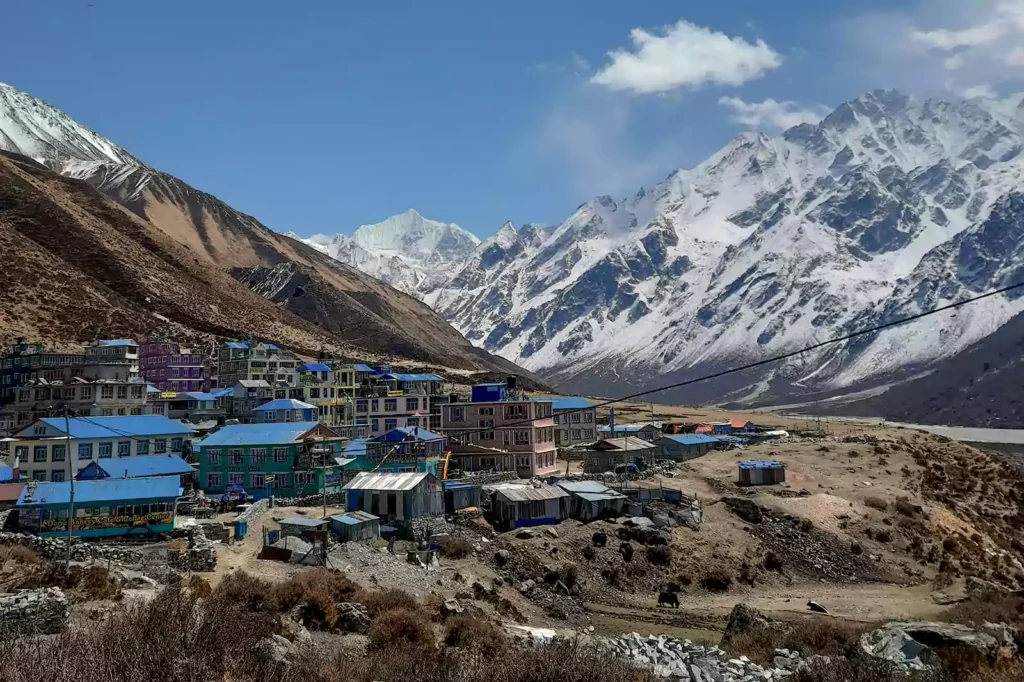
Kyanjin Gompa is the main overnight base for the upper Langtang Valley. Trekkers often spend an additional night there to explore the surrounding area or hike toward a viewpoint.
The main extra expense is the additional night of accommodation and meals, along with personal purchases and any extra guide or porter days required by your arrangement. Check the route and altitude before setting your itinerary.
Kyanjin Ri and Tsergo Ri are high-altitude hikes, not simply budget add-ons. The effort and altitude matter more than the small extra cost of another night.
At these elevations, headaches, nausea, dizziness, or unusual fatigue can indicate altitude illness. Allow time to acclimatize, discuss medical preparation with your doctor, and descend if symptoms worsen. Never push higher just because you have already paid for a fixed itinerary.
What if you extend the trek to Gosaikunda or Helambu?
Still comparing routes before setting your budget? Explore our guide to the 7 best treks in Langtang to compare trekking options and decide which itinerary best matches your available time and budget.
Extending the Langtang Valley Trek changes the number of walking days, meals, lodge nights, and guide or porter days. It may also change your exit point and return transport.
The Langtang Gosaikunda trek and Helambu trek are useful starting points for comparing longer itineraries.
Do not estimate an extension by multiplying your original package price by the number of extra days. Different routes can require different logistics and services. Ask for an updated itinerary and itemized quotation.
Want to explore the Langtang Valley with a well-planned itinerary? Check the trek details, route, and available package options.
Frequently asked questions about Langtang Valley Trek Cost 2027
1. What is the total estimated cost of the Langtang Valley Trek?
The total estimated cost of the Langtang Valley Trek depends on duration, transport, meals, permits, and guide arrangements. For a 7- to 10-day trip, use US500toUS900 as an initial planning range, then check each inclusion. A private or premium package can cost more.
2. Can I do the Langtang Trek on a strict budget?
Yes, you can reduce the Langtang Trek budget by using public transport, choosing basic teahouses, eating local meals, and avoiding unnecessary paid amenities. However, budget planning must still include applicable permits, required guide arrangements, insurance, and emergency funds. Do not cut costs by ignoring safety requirements.
3. How much do Langtang Valley Trek permits cost?
Langtang Valley Trek permit costs include the national park entry fee, currently listed by the Nepal Tourism Board as NPR 3,000 for foreign nationals, NPR 1,500 for SAARC nationals, and NPR 25 for Nepali citizens. Check the current TIMS and documentation rules before departure.
4. Is a guide mandatory for the Langtang Valley Trek?
Yes, you should verify and follow the current guide requirements before trekking. Nepal Tourism Board rules require licensed guides and agency-issued TIMS on listed routes, but requirements must be checked for the exact itinerary. Ask your trekking operator to confirm the applicable rules and documentation for 2027.
5. How much should I budget daily for food and drinks?
For food and drinks on the Langtang Valley Trek, start with an estimated US20toUS35 per day. Actual spending depends on menu choices, altitude, and snacks. Prices often rise farther up the valley because supplies are harder to transport, so keep a contingency.
6. How much cash should I carry on the trail?
Carry enough Nepali rupees to cover your expected trail expenses, plus an emergency reserve. The right amount depends on whether your package includes meals and accommodation, how long you trek, and how much you spend on drinks or amenities. Do not rely on finding a working ATM in remote villages
Final thoughts: Plan your Langtang Valley Trek budget carefully
The Langtang Valley Trek Cost 2027 is manageable when you separate fixed costs from daily spending. Start with transport, permits, guide arrangements, accommodation and meals. Then allow for tips, personal purchases, insurance, and an emergency reserve.
The lowest advertised price is not always the lowest final cost. Check what is included, verify the current permit rules, and choose an itinerary that gives you enough time to adjust to altitude.
For a tailored itinerary and a clear breakdown of inclusions, contact Nepal Footprint Holiday before booking.
Author: Bashu Dev Thapaliya, Director and Founder of Nepal Footprint Holiday. He has worked in Himalayan trekking and mountain biking tours since 1999.