

A structured Everest Base Camp trek training plan is the most useful thing you can do before your adventure to Nepal. The EBC trek is not a technical climb; there are no ropes or ice axes involved. However, you will walk five to seven hours per day for nearly two weeks, carrying a loaded pack over steep and rocky terrain. Moreover, reduced oxygen at altitude makes every step harder than it feels at sea level. While physical fitness cannot prevent altitude sickness, it helps you cope far better and dramatically increases your chances of reaching Base Camp.
Therefore, start your Everest Base Camp trek training plan at least 12 weeks before departure. If you are currently sedentary or have not exercised regularly, push that to 16 weeks. The body needs time to adapt gradually, and there are no shortcuts at high altitude.
Is the Everest Base Camp Trek Training Plan Right for You?
Before starting this plan, it helps to understand what the EBC trek actually demands. Our trekking difficulty and grade guide categorises the Everest Base Camp Trek as moderate to strenuous — a test of stamina rather than technical skill.
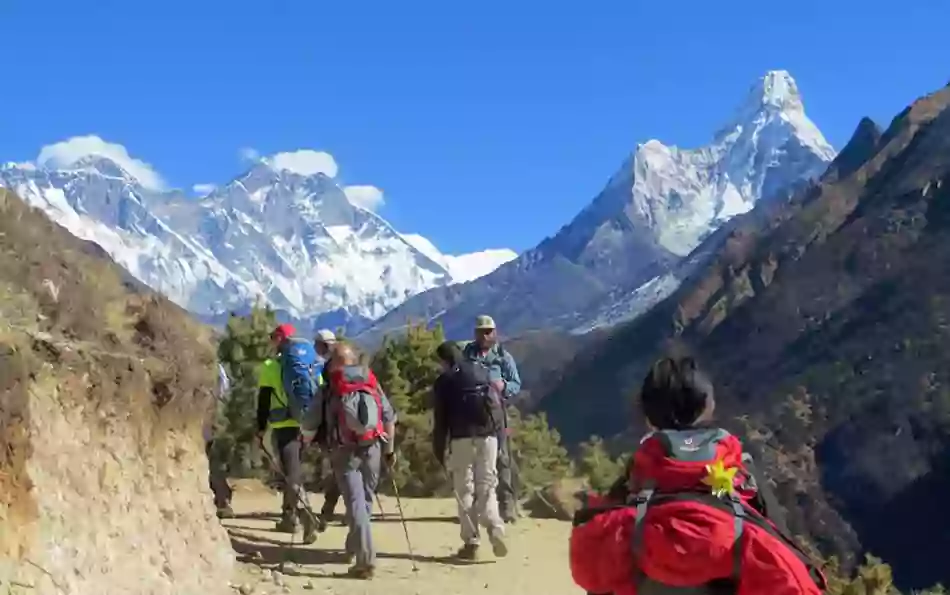
You are ready to begin this Everest Base Camp trek training plan if you can currently:
- Walk uphill continuously for 45 to 60 minutes without stopping
- Climb 20 to 30 flights of stairs without significant distress
- Hike 10 to 15 kilometres in a day at a comfortable pace
- Complete two consecutive days of moderate walking without heavy fatigue
- Carry a light daypack for several hours on uneven terrain
If you cannot do most of these yet, complete your own four-week baseline plan first. Additionally, consult your doctor before starting any high-altitude training program, particularly regarding altitude sickness medication such as Diamox.
The Four Training Pillars for Your Everest Base Camp Trek Training Plan
Think of EBC preparation as a table with four legs. Without any one pillar, the structure becomes unstable. Consequently, all four must be trained together across your 12 weeks.
1. Cardiovascular Endurance
Cardiovascular fitness is the most vital pillar of the Everest Base Camp trek training plan. At high altitudes, your heart works significantly harder to deliver oxygen to your muscles. As a result, tasks that feel easy at sea level become genuinely effortful above 3,500 metres.
The best cardio activities for EBC preparation are hiking, stair climbing, jogging, cycling, and swimming. Aim for four to five sessions per week, building from 30 minutes in Week 1 to 60 to 75 minutes by Week 8. Specifically, stair climbing is the most valuable because it directly simulates the sustained uphill effort of the Khumbu trail.
2. Leg and Core Strength
Strong legs make uphill climbs easier and protect your knees during long descents. Furthermore, core strength provides the stability needed on loose, rocky terrain at altitude. This is why strength training must never be skipped.
Key exercises include squats, deadlifts, calf raises, lunges, step-ups, glute bridges, and planks. Train strength two to three times per week. By Week 6, add resistance and progressively increase intensity.
3. Hiking with a Loaded Pack
Nothing replaces actual hiking for simulating real trek conditions. Start with two to three-hour day hikes in Weeks 1 to 4, then build to five to seven-hour back-to-back hikes by Weeks 9 to 11.
Always train in your trekking boots and carry your actual daypack loaded with weight. Start with four to five kilograms and build to eight to ten kilograms. This serves two purposes it builds trek-specific muscles and breaks in your boots so you never arrive in Nepal with untested footwear.
4. Flexibility, Mobility, and Mental Preparation
Flexibility reduces your risk of muscle strains and sprains on uneven terrain. Therefore, include 10 to 15 minutes of stretching after every session throughout all 12 weeks. Yoga once or twice per week is particularly effective for hip flexors, hamstrings, and ankles, all of which take heavy stress on the EBC trail.
Mental preparation is equally important. Long trekking days at altitude test your patience as much as your fitness. Practice completing long hikes when you are already tired, and develop the habit of walking at a slow, steady pace rather than surging and stopping.
12-Week Everest Base Camp Trek Training Plan: Week by Week
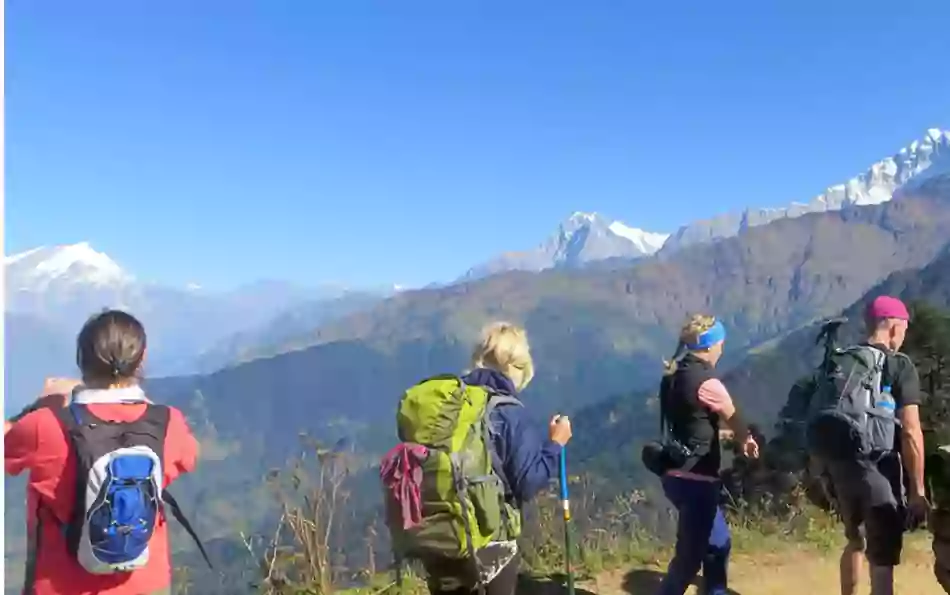
Weeks 1 to 4: Build Your Foundation
The goal in the first four weeks is to build consistent training habits and a solid aerobic base. Do not rush this phase. Moreover, consistency matters far more than intensity at this early stage.
Weekly training structure:
- Cardio: 30 to 45 minutes, four times per week (jogging, cycling, or stair climbing)
- Strength training: two sessions per week (squats, lunges, step-ups, planks)
- Weekend hike: two to three hours on varied terrain with a light pack
- Daily stretching: 10 minutes after every session
Target by the end of Week 4: Walk comfortably for three hours on hilly terrain without excessive fatigue or heavy next-day soreness.
Weeks 5 to 8: Build Endurance and Strength
This phase simulates actual trekking conditions. Specifically, you increase pack weight and session duration, and introduce back-to-back hiking days to train your body for consecutive effort.
Weekly training structure:
- Cardio: four to five sessions of 45 to 60 minutes
- Strength: two to three sessions with added resistance
- Stair climbing: two dedicated sessions of 30 to 45 minutes
- Weekend hikes: four to five hours carrying five to eight kilograms
- Stretching and yoga: two sessions per week
Target by the end of Week 8: Complete a four to five-hour hike with elevation and a loaded pack, and feel ready to go again the following morning.
Weeks 9 to 11: Trek-Specific Training
This is where your Everest Base Camp trek training plan becomes serious. You are now training specifically for Khumbu trail conditions, long days, heavy packs, and consecutive effort with minimal recovery time between.
Weekly training structure:
- Long hikes: five to seven hours, two consecutive days
- Pack weight: six to ten kilograms throughout all hikes
- Hill repeats: two sessions per week targeting sustained uphill effort
- Cardio: four sessions of 60 to 75 minutes
- Strength: two sessions maintained
Target by the end of Week 11: Confidently complete a seven-hour hike with a loaded pack and fully recover overnight for a second consecutive day.
Week 12: Taper and Recover
Reduce training volume by 50 per cent in your final week. Your body needs time to consolidate the fitness gains from the previous 11 weeks. Furthermore, arriving in Nepal fatigued from training is just as counterproductive as arriving undertrained.
Focus on light walking, gentle stretching, and quality sleep. Additionally, use this week to finalise your gear, review your packing list, confirm your travel insurance covers high-altitude helicopter evacuation, and arrange your Nepal visa. Our Nepal visa information guide covers the full arrival process step by step.
Best Exercises for Your Everest Base Camp Trek Training Plan
Altitude Sickness and Your Training Plan
You can be at peak physical fitness and still be affected by altitude sickness. This is the most critical fact to understand about EBC preparation. Nevertheless, being fit reduces overall fatigue at altitude, which means your body has more energy available to cope with reduced oxygen levels.
Above Namche Bazaar at 3,440 metres, follow these non-negotiable rules from our guides: walk slowly and steadily at all times, drink three to four litres of water daily, avoid alcohol for the first week on trail, and never ascend with symptoms of AMS. The World Health Organisation advises immediate descent if symptoms worsen. Read more at who.int. Never skip your acclimatisation days. They are not rest days, they are the days your body builds the red blood cells it needs to function at extreme altitude.
Our solo trekking and safety guide covers altitude risks, AMS symptoms, and emergency procedures in full. Additionally, all Nepal Footprint Holiday guides carry pulse oximeters and emergency oxygen on every EBC trek, checking oxygen saturation levels at every teahouse stop throughout the route.
Planning your EBC trek alongside your training is the smartest approach. Contact Nepal Footprint Holiday to book your spot before spring and autumn departures fill up.
Common Training Mistakes to Avoid
Starting too late. Twelve weeks is the minimum. Starting with only six weeks before departure significantly increases your risk of a difficult or incomplete trek.
Training only on flat terrain. The EBC trail involves constant elevation change. Therefore, hills, stairs, and inclined surfaces must feature in every phase of your training; flat cardio alone is not enough.
Neglecting strength training. Most trekkers focus mainly on cardio. However, weak legs tire quickly on steep descents and expose your knees to injury on rocky sections that go on for hours.
Wearing untested boots. This is one of the most common mistakes our guides witness on the trail. Break your boots in for at least 60 to 80 hours before arriving in Nepal. Blisters at altitude are completely avoidable.
Skipping rest days. Muscles grow stronger during rest, not during exercise. Build one to two full rest days into every week of your 12-week training plan.
Permits and Booking Your EBC Trek
Your training plan runs in parallel with your trip preparation. The Everest Base Camp Trek requires two permits: the Sagarmatha National Park Entry Permit and the Khumbu Pasang Lhamu Rural Municipality Permit. Our Nepal trekking permits guide covers current fees and where to obtain each one.
Moreover, Nepal’s 2025 mandatory guide regulation requires all trekkers on the EBC route to travel with a licensed guide. Nepal Footprint Holiday assigns fully government-licensed, English-speaking guides to every departure. Our guides know the Khumbu trail in every season and weather condition, and they are extensively trained in high-altitude wilderness first aid.
For the best availability on Lukla flights and teahouse accommodation, book your trek three to four months before departure. Spring (March to May) and autumn (September to November) departures fill earliest. The Nepal Tourism Board confirms both seasons as the peak trekking windows. Learn more at tourism.gov.np.
Final Thoughts on the Everest Base Camp Trek Training Plan
Follow this Everest Base Camp trek training plan consistently for 12 weeks and gradually build your fitness with honest self-assessment throughout. By the time your flight lands in Kathmandu, you should feel comfortable walking five to six hours on hilly terrain with a loaded pack. If you are physically ready, you will spend the trek absorbed in the landscape around you. If you are underprepared, you will spend it focused on your body. In conclusion, 12 weeks of consistent training is a small investment for one of the greatest experiences of your life.
Book your Everest Base Camp Trek with Nepal Footprint Holiday. Call or WhatsApp us at +977-1-4701091 or 9841459861