

Elephant Polo Nepal’s World Championship has officially ended after 35 years, with organizer Tiger Tops announcing permanent closure due to serious animal welfare concerns and sustained pressure from global ethical tourism communities.
Elephant Polo Nepal has reached a historic and permanent end. Tiger Tops, the long-time organizer of the World Elephant Polo Championship held annually in Nepal, officially announced the closure of the event after 35 consecutive years. International teams, global media, and thousands of spectators once gathered in Nepal for this championship every year. However, the intensive training elephants underwent and the physical strain of carrying riders raised serious animal welfare concerns that could no longer be ignored.
This marks a watershed moment for Nepal’s tourism industry. Furthermore, it reflects a growing global movement toward ethical wildlife tourism, one that our team at Nepal Footprint Holiday has championed for over a decade. In fact, we were among the very first travel companies in Nepal to take a firm stand against elephant exploitation, long before the broader industry accepted this position.
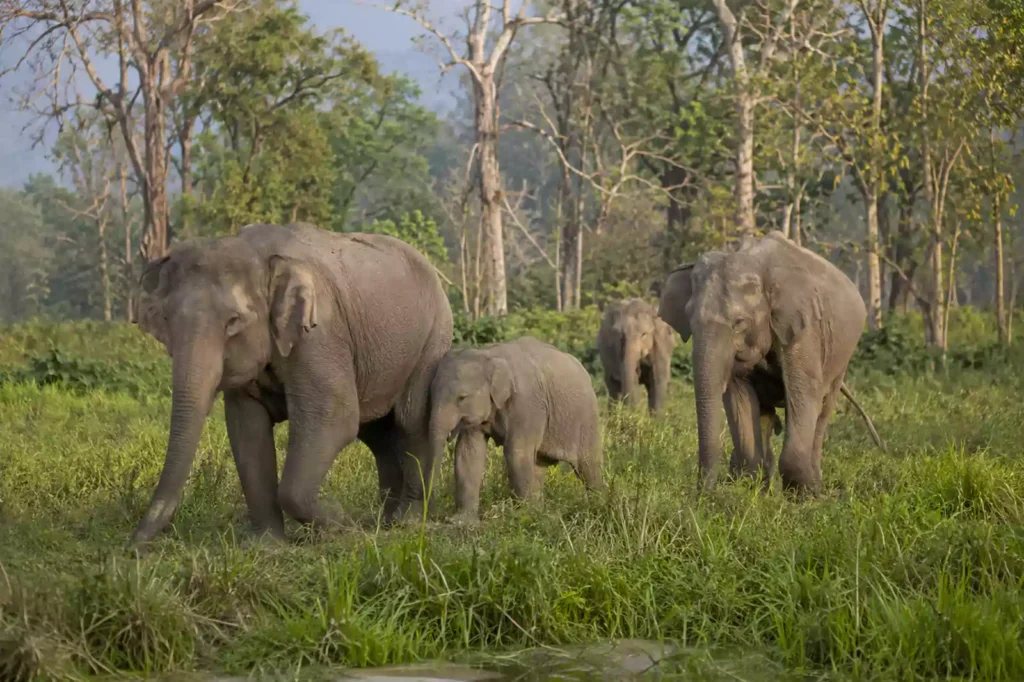
📍
Looking for ethical wildlife experiences in Nepal? We offer responsible nature tours that respect animals and local communities. Nepal Footprint Holiday, Government of Nepal registered and based in Kathmandu.
What Was Elephant Polo Nepal and Why Did It End?
Elephant Polo Nepal was an annual sporting event held at Tiger Tops Jungle Lodge in Chitwan. The World Elephant Polo Association (WEPA), founded in 1982 with its headquarters at Tiger Tops, organized the championship for 35 years. Teams from across the world competed on trained elephants on a grass field near Chitwan National Park.
However, the sport required elephants to undergo months of grueling training and carry riders for long periods, activities that animal welfare experts consistently identified as harmful and cruel. As a result, pressure grew from international animal welfare organizations, responsible travellers, and ethical tourism communities worldwide.
Tiger Tops announced the championship’s end, citing animal welfare directly. Specifically, the organizer acknowledged that long-duration elephant riding and intensive training are not humane activities. Therefore, the permanent closure of Elephant Polo Nepal represents a necessary and long-overdue step in protecting Nepal’s wildlife.
Why Did Elephant Polo Nepal Face Such Strong Animal Welfare Criticism?
The Elephant Polo Nepal championship faced sustained global criticism for how elephants were treated during training and competition. Animal rights organizations strongly condemned the months of conditioning elephants endured before each annual event.
Elephants are highly intelligent and deeply social animals. Forcing them to carry riders and compete in sporting events causes severe physical and psychological stress. Moreover, the training methods used to make elephants “manageable” for riders frequently involve practices that violate internationally recognized animal welfare standards.
In fact, veterinarians and international animal welfare organizations had been calling for an end to elephant riding activities for years. Consequently, many tourism operators in Nepal and worldwide had already stopped selling elephant riding and elephant sports experiences long before the official closure of the championship.
How Did Nepal Footprint Holiday Lead Ethical Elephant Tourism in Nepal?
Nepal Footprint Holiday became the first adventure travel company in Nepal to stop all elephant riding activities in 2014, years before the broader industry began to shift. Our decision was not driven by regulation. It came from our sincere belief that responsible tourism must place animal welfare above commercial entertainment.
Since 2014, we have actively supported elephant welfare initiatives across Nepal and encouraged our partners, suppliers, and clients to adopt the same ethical standards. Additionally, our early action inspired many other tourism organizations in Nepal and around the world to remove elephant riding and elephant sport activities from their offerings entirely.
We are proud that our stand contributed to the broader industry shift that ultimately led to the end of Elephant Polo Nepal. In short, ethical decisions made by individual travel companies create lasting and meaningful industry change.
What Does the End of Elephant Polo Mean for Nepal’s Tourism?
The closure of Elephant Polo Nepal sends a clear and powerful message to the global tourism industry: wildlife exploitation is no longer acceptable, even when wrapped in decades of sporting tradition. Nepal’s tourism sector is moving rapidly toward responsible and sustainable practices.
Tiger Tops had already ended elephant-back jungle safari rides years before closing the polo championship. This earlier decision followed repeated requests from guests, international visitors, and animal welfare groups who refused to support activities that caused harm to animals. Therefore, the end of Elephant Polo Nepal is not an isolated act it is part of a deliberate, values-driven transformation of wildlife tourism.
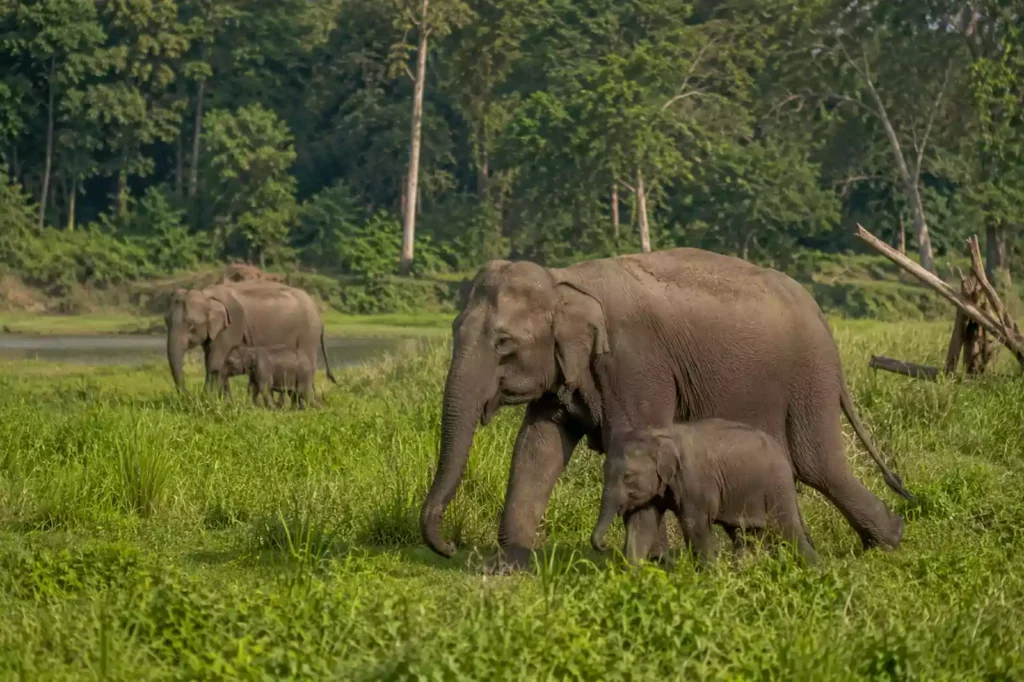
Moreover, Nepal’s natural assets, Chitwan National Park, Bardia National Park, and the broader Terai region, remain world-class wildlife destinations. The difference now is that visitors experience these places ethically, through jungle walks, jeep safaris, bird watching, and community-based nature tours that cause zero harm to wildlife.
What Ethical Wildlife Experiences Can Travellers Enjoy in Nepal Instead?
The end of Elephant Polo Nepal creates space for a new generation of ethical wildlife tourism. Travellers visiting Nepal can choose from a wide range of responsible alternatives that deliver outstanding natural experiences without exploiting animals:
- Jeep Safari in Chitwan National Park: Spot one-horned rhinos, Bengal tigers, sloth bears, and wild elephants from a safe and respectful distance in their natural habitat.
- Jungle Walking Safari: Experienced naturalist guides lead small groups through the forest on foot — one of Nepal’s most immersive and intimate wildlife experiences.
- Bird Watching in Chitwan and Bardia: Nepal hosts over 900 bird species. Both national parks offer exceptional birding opportunities with local expert guides.
- Community Homestay Programs: Stay with Tharu communities around Chitwan and experience authentic local culture, food, and genuine conservation storytelling.
- Elephant Observation (Not Riding): Some sanctuaries allow visitors to observe and learn about rescued elephants with zero riding or performance involved.
Furthermore, travellers interested in Nepal’s most untouched wilderness can explore our remote area trekking packages for a completely responsible adventure. Nature lovers combining wildlife with mountain journeys can also discover our Langtang Valley Trek — a route passing through one of Nepal’s most biodiverse national parks. Additionally, those exploring the Kanchenjunga wilderness can check our Kanchenjunga Trek for an ethical high-altitude experience far from the crowds.
What Is Nepal’s Current Position on Animal Welfare in Tourism?
Nepal has made meaningful progress on animal welfare in tourism over the past decade. The Nepal Tourism Board and TAAN (Trekking Agencies’ Association of Nepal) have both encouraged operators to adopt ethical wildlife standards and move away from animal exploitation activities.
Nepal’s 2025 tourism guidelines place increasing emphasis on responsible practices across all wildlife-related services. Although specific elephant welfare legislation continues to evolve, the direction is unmistakable: Nepal’s tourism future is built on conservation, community benefit, and animal dignity — not performance and spectacle.
In conclusion, the end of Elephant Polo Nepal is not a loss for tourism. It is a gain for integrity. Travellers can explore our Nepal trekking overview to discover Nepal’s full range of responsible adventure experiences — from Himalayan summits to jungle valleys and everything in between. Those planning their first Nepal trip should also visit our Nepal visa information page for everything needed before departure. For responsible adventure combined with cultural depth, our Tamang Heritage Trail offers a meaningful alternative that connects travellers with local communities respectfully.
Government of Nepal registered · Kathmandu-based · 10+ years guiding experience
FAQ — Elephant Polo Nepal
1. Why Did the Elephant Polo World Championship in Nepal End?
The Elephant Polo Nepal World Championship ended after 35 years because of serious animal welfare concerns. Organizer Tiger Tops announced its permanent closure, acknowledging that intensive elephant training and long-duration riding are inhumane activities. International animal welfare communities, responsible travellers, and ethical tourism organizations had been requesting this change for many years before the official announcement.
2. When Did Nepal Footprint Holiday Stop Elephant Riding Activities?
Nepal Footprint Holiday stopped all elephant riding activities in 2014, becoming one of the first adventure travel companies in Nepal to take this ethical stand. Our decision came years ahead of the broader industry shift and was driven entirely by our commitment to responsible tourism and animal welfare. Since then, many more tourism organizations in Nepal and worldwide have followed by removing elephant activities from their offerings.
3. What Ethical Wildlife Experiences Are Available in Nepal Instead of Elephant Polo?
Travellers can enjoy jeep safaris, jungle walking tours, bird watching, and community homestays in Chitwan National Park and Bardia National Park — all with zero animal exploitation. Nepal is home to over 900 bird species, Bengal tigers, one-horned rhinos, and wild elephants in their natural habitat. Nepal Footprint Holiday offers all these ethical wildlife experiences as part of our responsible tourism packages.
For further reading on the closure of the Elephant Polo World Championship, see the original reports from e-Kantipur Post and InHeadline.
Nepal Footprint Holiday is a Government of Nepal-registered trekking company and a proud member of TAAN (Trekking Agencies’ Association of Nepal). All tours operate in full compliance with Nepal Tourism Board regulations and international responsible tourism standards.