

Nepal Footprint Holiday discontinued elephant safari tourism in Chitwan and Bardia National Parks on 10 January 2015 to promote animal welfare and ethical tourism in Nepal.
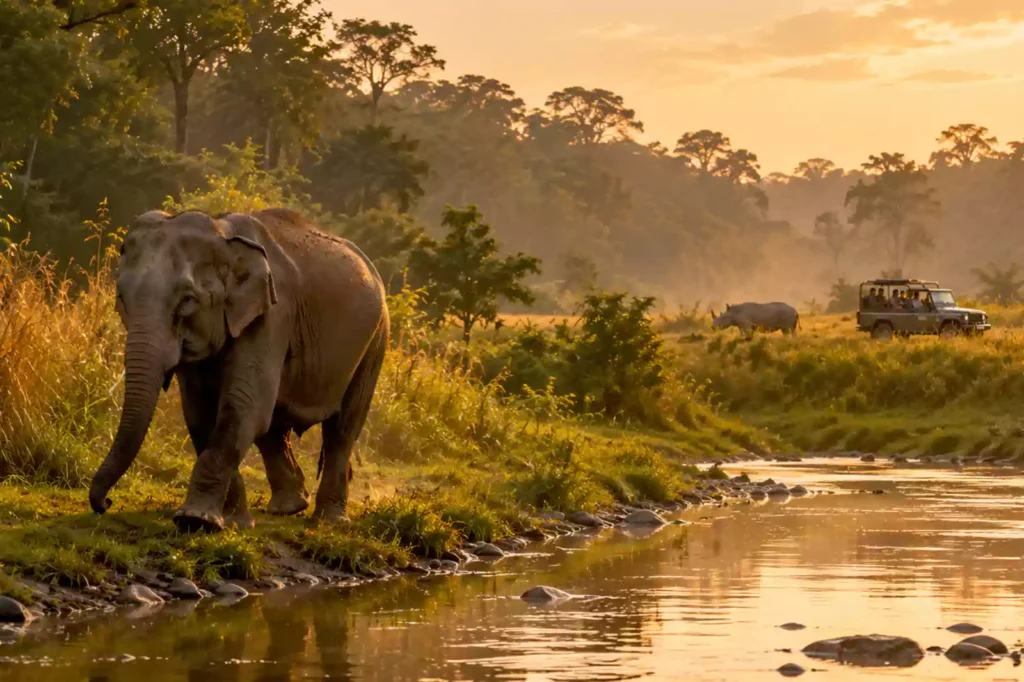
On 10 January 2015, after a lengthy meeting, Nepal Footprint Holiday P. Ltd. made one of the most important decisions in our history. We collectively and definitively agreed: elephant safari tours in Chitwan and Bardia would end from that year, forever.
We know some guests felt disappointed. However, back then and now, we hoped that travelers would support us in pursuing a truly animal-friendly wildlife holiday. Furthermore, we were not taking this decision frivolously. It comes from years of observing the real impact on animals involved in elephant tourism.
What Is the Elephant Safari Nepal Industry and Why Did We Stop?
The elephant safari Nepal industry uses captive elephants for rides and shows across parks like Chitwan and Bardia. These encounters carry a wildlife-experience marketing label, but the reality behind them is difficult.
We have always cared deeply about animal rights and the ethical questions tied to our tourism business. Our team has long held a deep interest in elephant welfare. Specifically, it just does not feel right when a wild animal is held for hours or forced to perform tricks such as painting with its trunk.
Many people believe a captive elephant is domesticated and used to human control. However, elephants have never been domesticated like dogs or horses. Even captive-born elephants remain wild animals. Consequently, they must be “broken” through a process that documented evidence shows is cruel.
We believe the answer is simple: wild animals should remain wild, live freely, and be free of commercial exploitation.
The Events That Led Us to Act
Through the years, our team witnessed the devastating impact safari tourism has on elephants in Nepal. In particular, we saw the physical and mental degradation that imprisonment and forced compliance cause. This, combined with worldwide evidence on elephant captivity, made continuing these tours impossible.
Moreover, we had good news to share with the animal rights community: Nepal closed the Elephant Polo World Championship forever. Tiger Tops had organized the annual Elephant Polo World Championships in Nepal for many years before the closure. Those championships ended in 2015, a change we welcomed for Nepal’s elephants.
📍
Book an ethical wildlife safari in Chitwan or Bardia with Nepal Footprint Holiday, Government of Nepal registered and based in Kathmandu.
We Did Not Stop Wildlife Safari — We Changed How We Do It in Nepal
Do not mistake this for a ban on wildlife safari in Nepal. We have not abandoned the wildlife safari. We still organize tours in Chitwan National Park and Bardia National Park, but we run them differently now — without using animals as vehicles or props.
Some trekkers combine Chitwan with the Langtang Valley Trek or Poon Hill Trek for a complete Nepal experience.
Instead, we now offer:
Jeep Safari — our main wildlife safari format. Jeep safari takes you further into the park and places wildlife in natural environments. It provides the opportunity to see wild elephants, rhinos, tigers, leopards, deer, and hundreds of bird species. Furthermore, animals observed from a jeep behave exactly as they would in the wild.
Nature Hiking with Local Support Team — guided hikes through buffer zones and forest trails with local naturalist guides. This is the most immersive wildlife experience we offer — and the most honest form of wildlife observation in Nepal.
Both options deliver extraordinary wildlife sightings. Therefore, since 2015, every guest has left satisfied without elephant rides. In fact, most report that jeep safari and nature hiking showed them more wildlife in a single day than they expected for the entire trip.
Ethical Wildlife Safari Comparison
| Safari Format | Animal Welfare Impact | Wildlife Observation Quality |
| Elephant safari | Very harmful | Limited — fixed route |
| Jeep safari | None | Excellent — wide coverage |
| Nature hiking | None | Excellent — ground level |
We are wildlife safari dreamers too. Moreover, the very best wildlife experience leaves the animals in exactly the same state they were in before you arrived.
Why Elephant Safari Nepal Tourism Is Harmful — The Evidence
The elephant tourism industry portrays elephants as subjects of a cultural experience. However, well-documented evidence shows the training methods used to make elephants compliant are deeply disturbing.
Some traditions involve breaking a wild elephant’s spirit — “phajaan” — which involves extreme restraint, sleep deprivation, and pain. Park visitors rarely see this, but it forms the foundation of every compliant riding elephant. In short, the tourist elephant reached its calmness in the jungle through great suffering.
We ask visitors to research before booking any elephant experience anywhere in the world. The following sources reflect what we observed and what influenced our 2015 decision:
- Elephant Watch — Nepal Footprint Holiday stops elephant ride bookings
- PETA India — Nepal elephant training procedures
Moreover, international animal welfare organizations have recorded and released video documentation of elephant training in Nepal. Millions of people worldwide have since viewed it.
What Responsible Wildlife Tourism in Nepal Looks Like
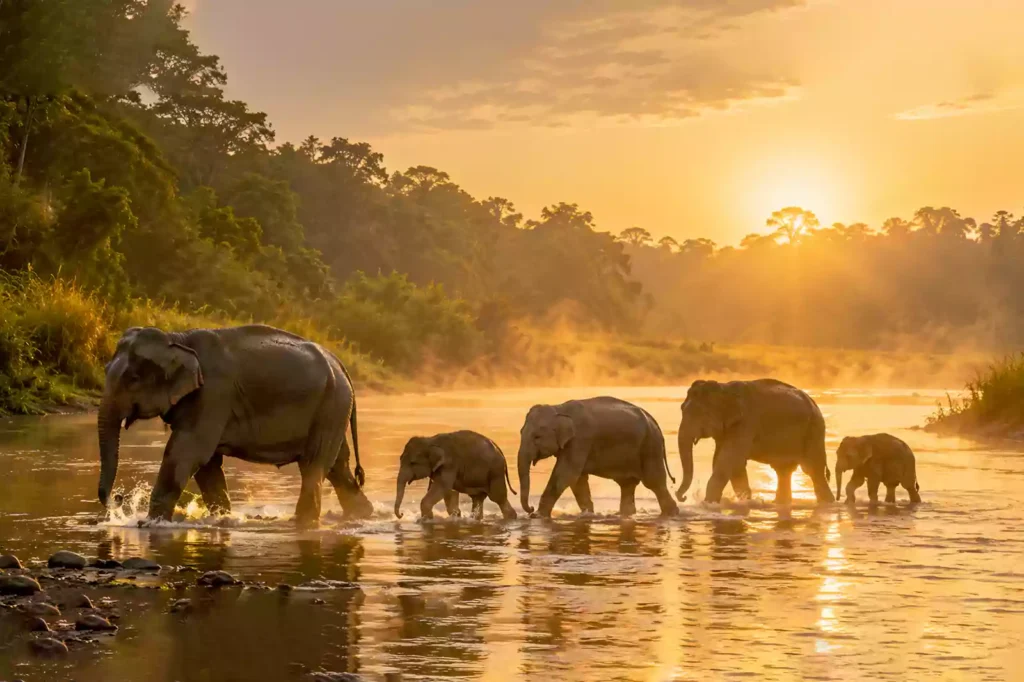
Nepal’s national parks are extraordinary ecosystems. Chitwan is a UNESCO World Heritage Site and one of the last habitats for the one-horned rhinoceros and Bengal tiger in the Indian subcontinent. Bardia National Park in the far west offers wild, largely unvisited terrain with authentic wilderness quality. It holds one of Nepal’s highest tiger populations and ranks among the best places worldwide to see wild elephants living entirely on their own terms, free from any human influence.
Our Chitwan National Park tour and Bardia National Park tour operate exclusively on jeep safari and nature hiking. Consequently, every booking funds park naturalists and conservation rather than animal training.
Our Annapurna Base Camp Trek and Chitwan combined packages cover both lowland parks and Himalayan highlands. Our Nepal tour overview lists all responsible wildlife and adventure packages.
Our Position: Then and Now
| Year | Action |
| 2015 | Cancelled all elephant safari and elephant polo bookings |
| 2015 | Introduced jeep safari and nature hiking as alternatives |
| 2015 | Elephant Polo World Championship ended in Nepal |
| Today | 100% ethical wildlife safari — no animal riding |
FAQ Schema: Elephant Safari Nepal
Q: Does Nepal Footprint Holiday still conduct elephant safari in Nepal? No. Nepal Footprint Holiday has not conducted elephant safari tours in Chitwan or Bardia since January 2015. We stopped this practice out of concern for elephant welfare and to promote sustainable, ethical tourism in Nepal. Jeep safari and nature hiking are available as alternatives — genuine wildlife observation without harming any animals.
Q: What is the best alternative to elephant safari in Chitwan and Bardia? Jeep safari is the best alternative — it covers more ground, reaches deeper into the park, and observes wildlife in natural conditions. Nature hiking with a local naturalist guide is another excellent option at ground level. Both are offered through our Chitwan National Park tour and Bardia National Park tour.
Q: What is the problem with elephant safari in Nepal? Everything used to make elephants accept human control — the “breaking” process — causes great suffering. Although elephants appear calm during rides, this behavior results from a training process involving extreme pain. Wild elephants are not domesticated animals, even when born in captivity. Forcing compliance requires methods that are well documented as cruel.
Government of Nepal registered · Kathmandu-based · Ethical and sustainable tourism since 2005
The Decision We Are Still Proud Of
Ten years on from January 2015, this remains one of the decisions we are most proud of. Those wishing to explore ethical adventure options can review our remote area trekking and Nepal trekking overview pages.
It cost us bookings, and some guests chose other operators. However, it aligned us with our core values: a love for Nepal’s wildlife and a belief that tourism must leave animals better off.
In conclusion, if you are planning a wildlife safari in Nepal and care about how animals are treated, we would love to organize your experience. Contact our Kathmandu team. We will plan an ethical safari with the welfare of the animals and the environment as its priority.