


Most people come to Nepal for the mountains, and then somewhere between Kathmandu and Pokhara they look down from the bus window at a green river crashing through a gorge and think, I want to be on that. Good instinct. The same snowmelt that carves the Himalaya feeds some of the best whitewater on the planet, and rafting in Nepal is easier to arrange, cheaper and more varied than most travellers expect.
The short version: with one free day, raft the Trishuli. For a proper adrenaline hit near Kathmandu, choose the Bhote Koshi. With kids or nervous swimmers, the Seti near Pokhara is gentle and warm. With a week or more, look at the Sun Koshi or the Karnali. The best months are October to December and March to May. Below, we cover each river, what it costs, and how to pick an operator you can trust.
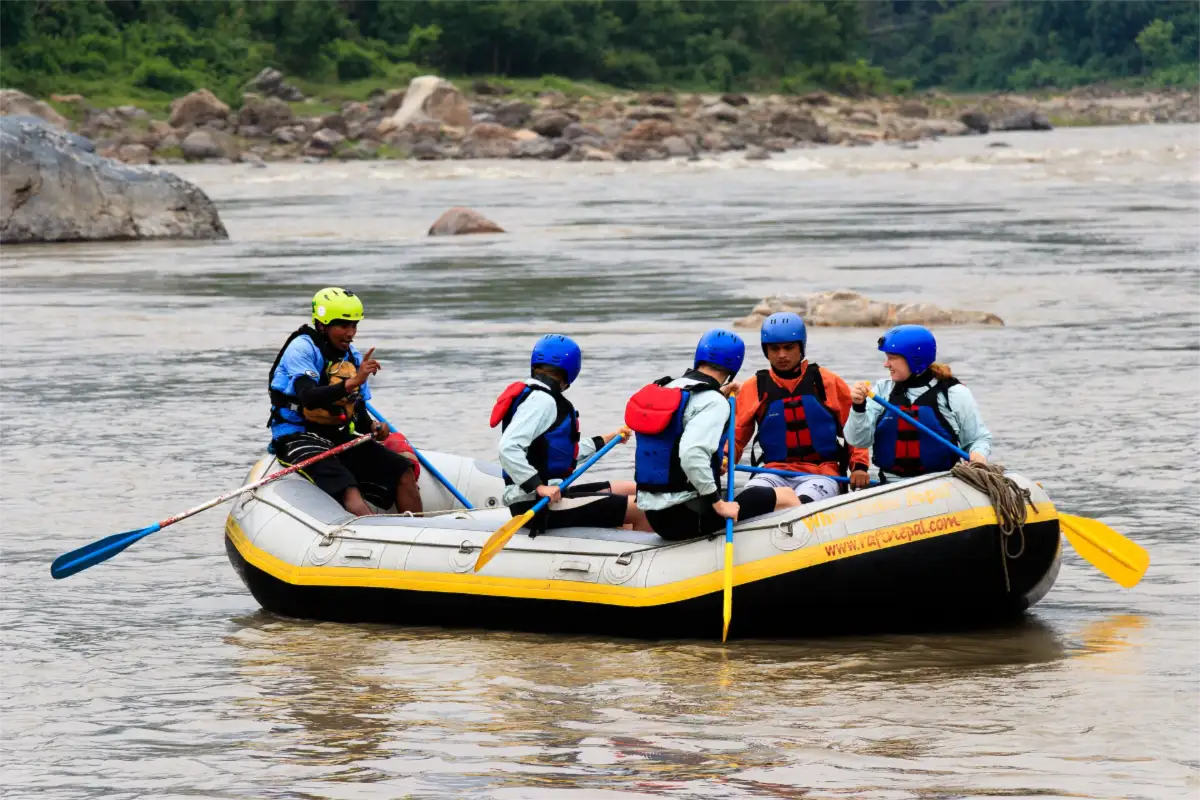
Rafting in Nepal at a glance
Prices below are typical per-person rates for group departures in 2026 and 2027, including transport from Kathmandu or Pokhara, gear, a guide, and meals on the river. Treat them as a rough guide; group size, water levels, and the standard of camping all move the number.
| River | Grade | Days on the water | Starts near | Approx. cost (USD) |
|---|---|---|---|---|
| Trishuli | III to III+ | 1 to 2 | Kathmandu / Pokhara highway | 45 to 90 (1 day) |
| Bhote Koshi | IV to V | 1 to 2 | Kathmandu (3 hrs east) | 70 to 120 (1 day) |
| Seti | II to III | 2 | Pokhara | 130 to 200 |
| Upper Kali Gandaki | III to IV | 3 | Pokhara | 250 to 350 |
| Marsyangdi | IV to V | 3 to 4 | Besisahar | 350 to 500 |
| Sun Koshi | III to IV+ | 8 to 9 | Kathmandu (Dolalghat) | 700 to 1,100 |
| Karnali | IV to V | 7 to 8 | Nepalgunj, far west | 900 to 1,400 |
| Tamur | IV to V | 6 to 7 (plus a short trek) | Far east Nepal | 1,000 to 1,500 |
What the river grades actually mean
Nepal uses the international whitewater scale from Grade I (flat, moving water) to Grade VI (unrunnable for commercial trips). In practice, commercial rafting here sits between Grade II and Grade V.
- Grade II to III: Splashy waves, clear lines, very little technical paddling. Fine for first-timers who can follow instructions. The Seti and most of the Trishuli flow here.
- Grade IV: Bigger, more powerful rapids where the guide needs the whole crew paddling hard and on cue. You should be reasonably fit and comfortable in water.
- Grade V: Long, steep, continuous rapids with real consequences if you swim. The Bhote Koshi, Marsyangdi and Karnali in the right flows sit here. Previous rafting experience is a big plus.
One thing that catches visitors out: grades change with the season. A Grade III rapid in March can become a Grade IV monster in late September, when rivers are still swollen from the monsoon. Ask what grade the river is running when you plan to go, not what the brochure says.
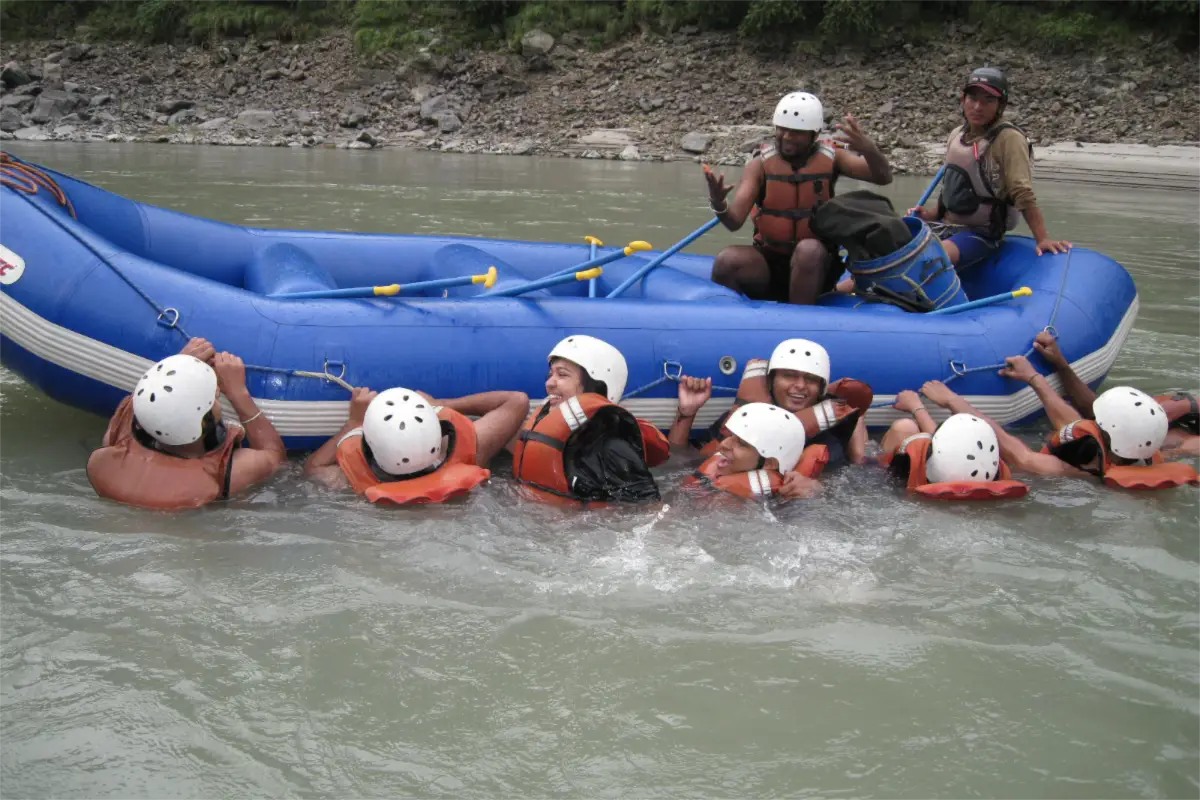
The best rivers for rafting in Nepal
1. Trishuli River: the easy, classic first trip
If you only raft once in Nepal, it will probably be here, and that is no bad thing. The Trishuli runs right beside the Prithvi Highway, so you can raft for half a day and then carry on to Pokhara or Chitwan the same afternoon. The rapids have friendly names like Upset, Ladies Delight and Butterfly, and most of them are big, bouncy Grade III wave trains rather than anything technical.
It is busy in peak season, and the highway is never far away, so do not expect wilderness. We often add it to a Kathmandu, Chitwan and Lumbini tour for travellers who want a bit of action between temples and wildlife.
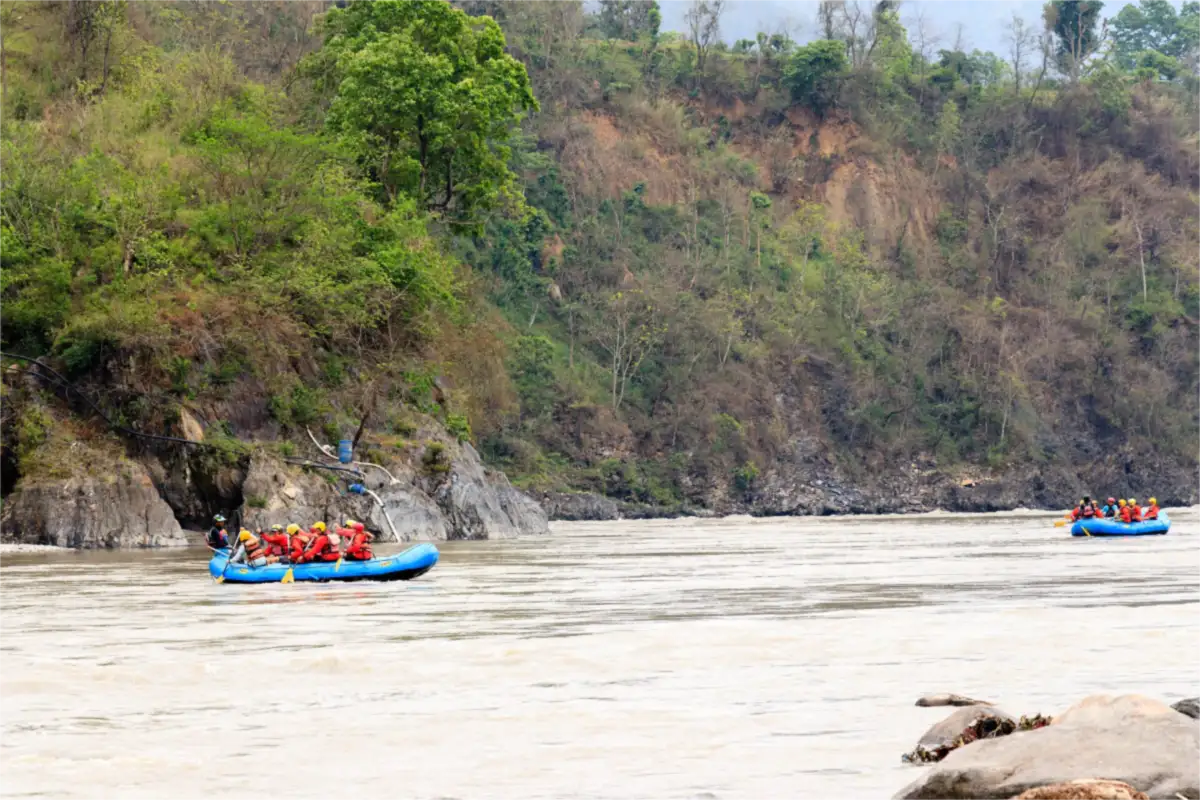
2. Bhote Koshi: short, steep and serious
The Bhote Koshi drops out of Tibet with a gradient that makes it one of the steepest rivers commercially rafted anywhere. The main section is only about 25 km, but it is almost non-stop Grade IV to V, and you will be paddling hard for most of it. It is about three hours from Kathmandu, which makes it the go-to choice for people who want a big day without a long journey.
It is not a river for non-swimmers or anyone with back problems. Recent monsoon floods have reshaped parts of the riverbed, so book with a company that runs it every week and uses safety kayakers as standard.
3. Seti River: warm water and family-friendly
The Seti is our pick when someone says, “I’d like to try rafting, but I don’t want to be terrified.” It is a two-day trip from near Pokhara with gentle Grade II to III rapids, jungle-lined banks and warm water, so it works in winter too. The overnight beach camp is half the appeal.
It finishes close to the road to Chitwan, so you can combine it easily with a Chitwan jungle safari. Children aged around eight and above usually manage it well, though operators set their own age limits.
4. Upper Kali Gandaki: the gorge below the giants
Higher up, the Kali Gandaki cuts between Dhaulagiri and Annapurna through one of the deepest gorges on earth. The rafting section starts lower down, west of Pokhara: three days of steady Grade III to IV whitewater through terraced hill country with few other groups. Hydropower projects have trimmed some runs, so check the current put-in before booking.
5. Marsyangdi: continuous whitewater for experienced paddlers
Kayakers call the Marsyangdi the “raging river”, and it earns the name: narrow, fast and relentless, with Annapurna and Manaslu peaks above the valley. Three to four days on the water suit people who already have a Grade IV trip behind them. Dams have shortened the runnable stretch, but it still makes a great finale to the Annapurna Circuit, which ends in the same valley.
6. Sun Koshi: the original Himalayan river journey
The Sun Koshi, or “River of Gold”, is the trip that put rafting in Nepal on the world map. Over eight or nine days, you float roughly 270 km from the hills east of Kathmandu down to the plains at Chatara, crossing almost the whole width of the middle hills. The first few days are warm-up Grade III; then the river gathers volume, and the big Grade IV rapids arrive in the second half.
What makes it special is everything between the rapids: villages that see few foreigners, beach camps every night, and dinner cooked over a fire. It is rural Nepal without a single uphill step.
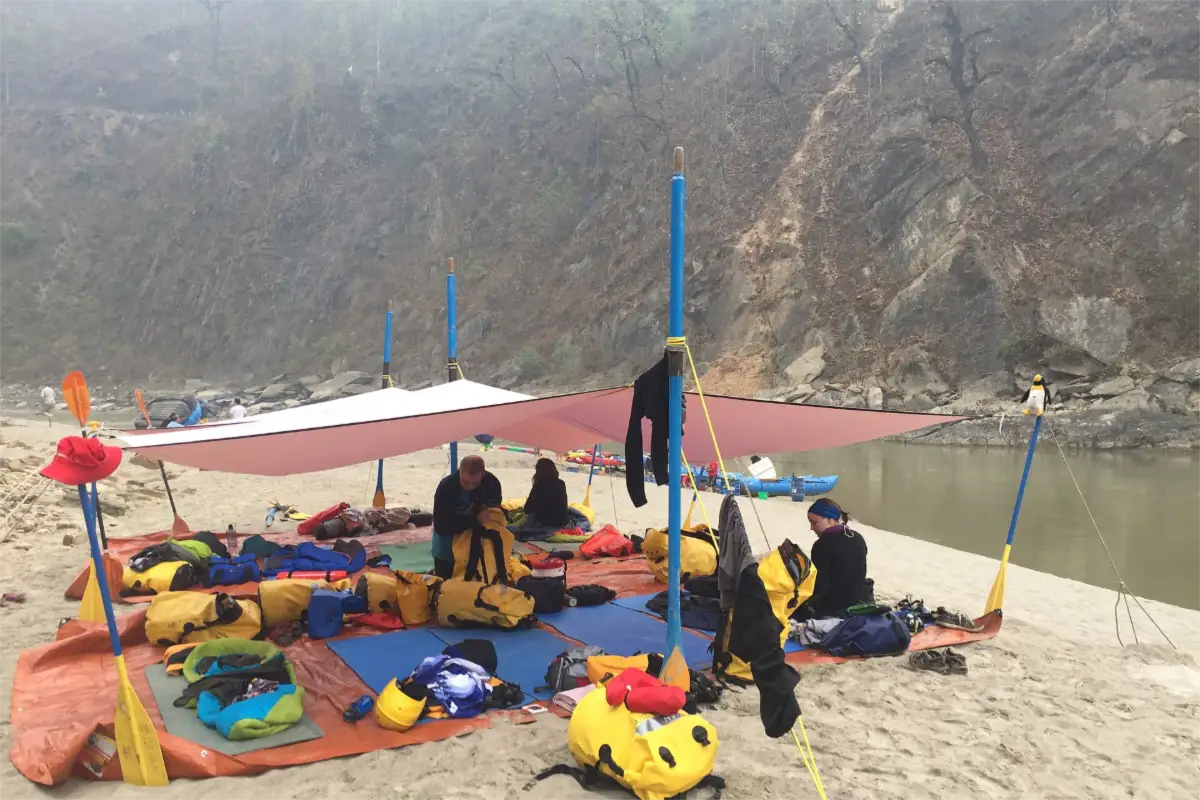
7. Karnali: the wildest big-water trip in Nepal
Nepal’s longest river runs through the remote far west. Getting there takes a flight to Nepalgunj and a long drive to the put-in, then you have about a week of deep canyons, powerful Grade IV to V rapids, and almost no roads. The river spills onto the plains near Chisapani, right on the edge of Bardiya National Park.
That is the perfect excuse to finish with two or three days of tiger tracking. Our Bardiya National Park guide explains what to expect, and we can link the river and a Bardiya wildlife safari into one trip.
8. Tamur: remote, rugged and rarely run
The Tamur drains the slopes of Kanchenjunga in far eastern Nepal. Trips begin with a short trek to the river, then six or seven days of technical Grade IV to V water through wild country. Departures run mainly in October and November, and it is the natural next step after the Sun Koshi.
Best time to go rafting in Nepal
The rivers follow the monsoon, so timing matters more for rafting than for almost any other activity in Nepal.
- October to mid-December: The best all-round season. Water is still high and exciting after the monsoon, the weather is dry and clear, and every river is open. Early October can be very powerful, so beginners may prefer November.
- Mid-December to February: Colder, lower water but sunny days. Short Trishuli and Seti trips still run well with a wetsuit.
- March to May: Warm days and lower water. Rapids become more technical and rocky but less pushy. A lovely time for multi-day trips, and the snowmelt adds volume again from late April.
- June to September: Monsoon. Most multi-day rivers close because flows are dangerously high and unpredictable. A few short sections may operate with strict conditions.
For a broader picture of what each month feels like across the country, our guide to weather and climate in Nepal is worth a read, and if you are visiting in summer, see our tips on travelling in Nepal during the monsoon.
How much does rafting in Nepal cost?
Compared with rafting in New Zealand, Canada or the Alps, Nepal is excellent value: a full eight-day Sun Koshi expedition can cost less than a couple of guided days in many Western countries.
A standard package should include:
- Return transport from Kathmandu or Pokhara to the river
- A licensed river guide in every raft and, on harder rivers, at least one safety kayaker
- Raft, paddles, helmet, and a properly sized life jacket
- Meals on the river and camping equipment on overnight trips
- Dry bags for your clothes and camera
Things that are usually extra: wetsuits and splash jackets in winter, photos or GoPro footage from the safety kayaker, tips for the crew, drinks in the evening, and any hotel nights before or after. Many riverside put-ins have no ATMs, so carry some rupees. Our post on how much cash to bring covers the general rule of thumb.
Be wary of the very cheapest offers in Thamel. A suspiciously low price usually means older rafts, crowded boats, or no safety kayaker. Saving ten dollars is not worth it on moving water.
Is rafting in Nepal safe?
Yes, when you go with a reputable, licensed operator and the river is right for your level. The serious incidents that do happen tend to involve unlicensed outfits, overcrowded rafts, or trips run in flood conditions that a responsible company would have cancelled.
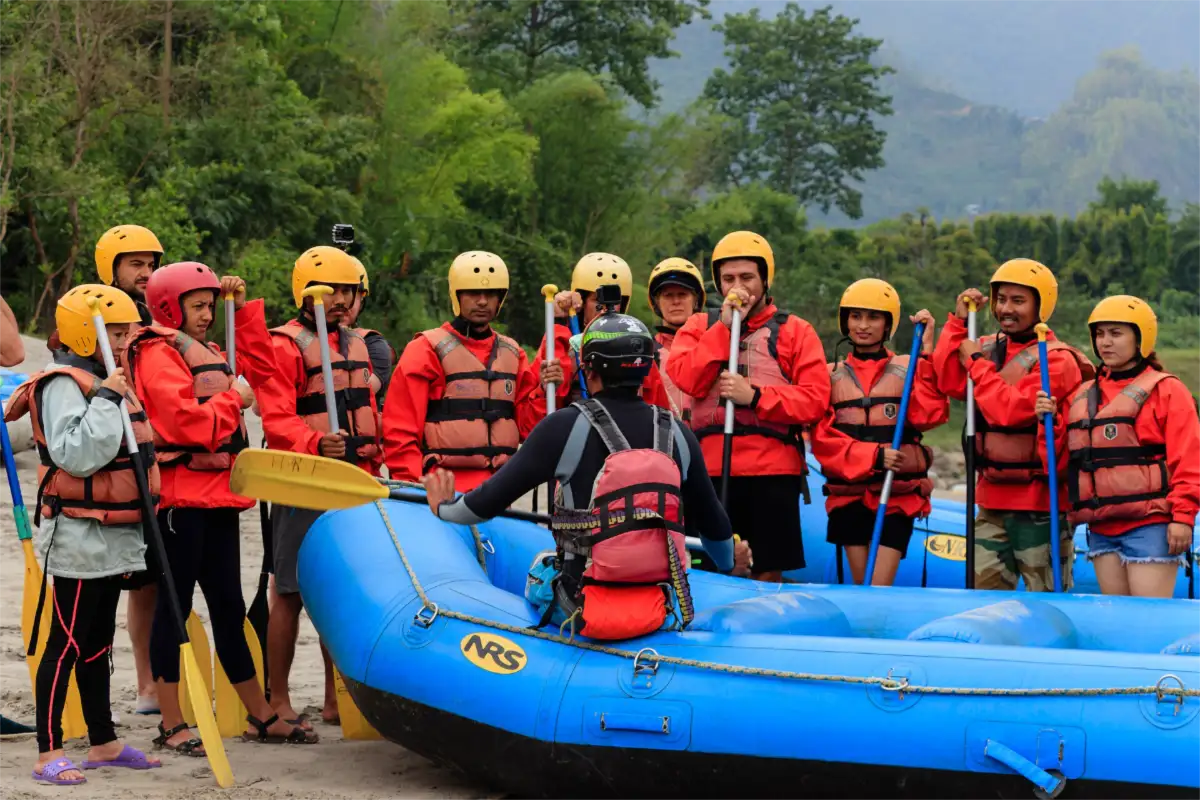
Before you hand over any money, ask a few direct questions:
- Is the company and its guides licensed? River guides in Nepal should hold a government-recognised licence, and the senior guide should have swiftwater rescue and first-aid training.
- How many people per raft? Six to eight paddlers plus the guide is normal. More than that is a red flag.
- Will there be safety kayakers? On Grade IV and above, the answer should always be yes.
- What happens if the water is too high? A good operator will happily switch you to an easier river or reschedule rather than push on.
- How old is the equipment? Look at the life jackets. If the foam is flat and the straps are frayed, walk away.
Every trip should begin with a full safety briefing on the beach covering paddle commands, what to do if you fall in, and how to get back into the boat. Listen properly, even if you have rafted before. For general advice on staying safe in the country, see our guide to whether Nepal is safe to visit.
What to pack for a rafting trip
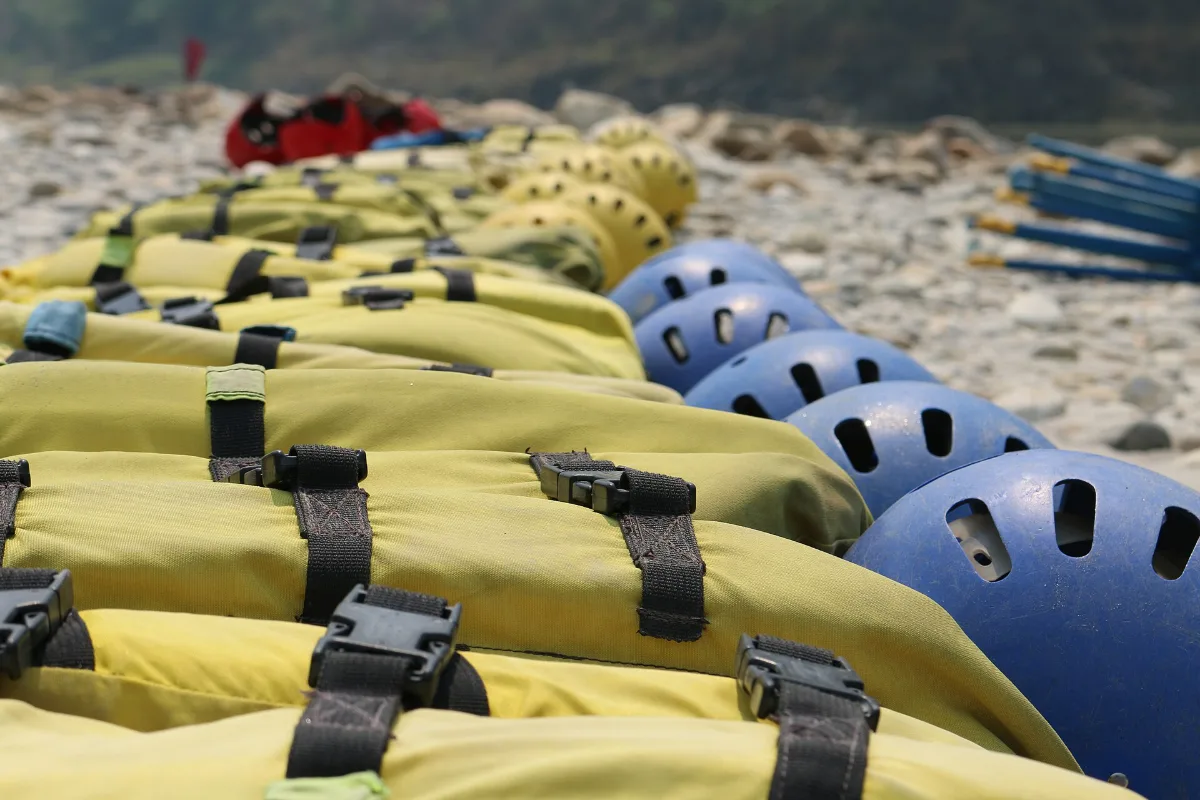
Your operator supplies the technical gear. You just need:
- Quick-dry shorts and a synthetic T-shirt or rash vest (no cotton)
- River sandals with a heel strap or old trainers that can get wet. Flip-flops will be lost in the first rapid.
- Sunscreen, lip balm with SPF, and sunglasses with a retaining strap
- A fleece and dry clothes for the evening, packed in the dry bag provided
- A light sleeping bag and head torch for overnight trips
- A waterproof camera or phone case if you really must film; otherwise leave valuables at your hotel
Combining rafting with a trek, tour or safari
Because the main rivers sit on routes travellers already use, it is easy to add a river day without much extra travel. Combinations that work well:
- Trek and raft: Finish the Poon Hill trek or Annapurna Base Camp trek, then raft the Seti or Upper Kali Gandaki for a completely different view of the same region.
- Raft and safari: Trishuli or Seti on the way down to Chitwan, or the Karnali straight into Bardiya.
- Raft and fly: Pair a river day with paragliding in Pokhara for a two-day adrenaline package.
- The full mix: Our Nepal adventure trekking tour combines a short trek, Seti rafting and Chitwan in one trip.
You will find more ideas on our adventure activities in Nepal page and in this round-up of Nepal adventure holidays. Do not forget to check the Nepal visa information before you travel; a tourist visa on arrival covers rafting, and no special permit is needed for the commercial rivers in this guide.
Frequently asked questions about rafting in Nepal
Do I need rafting experience?
Not for Grade II to III rivers like the Seti and Trishuli. For Grade IV to V rivers such as the Bhote Koshi, Marsyangdi, or Karnali, some previous experience and good fitness are strongly recommended.
Can non-swimmers go rafting in Nepal?
Non-swimmers can join gentle trips on the Seti or Trishuli because you wear a life jacket at all times. Tell your guide beforehand so they can seat you sensibly. Harder rivers are not a good idea if you cannot swim.
What is the minimum age for rafting?
Most operators accept children from about eight to ten years old on easy rivers and set a minimum of 14 to 16 for Grade IV and above. Policies vary, so always confirm when you book.
Which is the best river for a one-day trip from Kathmandu?
The Trishuli for a relaxed, scenic day and the Bhote Koshi for maximum excitement. Both are roughly three hours from the city.
Ready to get wet?
Whether you want a splashy afternoon on the Trishuli or a week of beach camps on the Sun Koshi, rafting shows you a side of Nepal that trekkers never see: the deep valleys, the riverside villages and the sheer force of water that started life as Himalayan snow. Tell us your dates, your experience, and how much adrenaline you are after, and our team will match you with the right river. Send us an inquiry, and we will put together a trip that fits.