

Is Nepal safe to visit in 2027? Yes, you can plan a trip to Nepal, but conditions are not the same everywhere. Kathmandu, Pokhara and many established tourist destinations are different from remote mountain districts where roads, bridges and walking trails can be affected by heavy rain, landslides and other natural disasters.
A road journey to a mountain trailhead can be disrupted even when the trekking destination itself is accessible. For example, the floods of 26 August 2026 washed away sections of the 42-kilometre road between Betrawati and Rasuwagadhi and damaged several bridges. The damage affected transport access to Rasuwa and the Nepal-China border area.
I have worked in Himalayan trekking and mountain biking since 1999. From our office in Thamel, Kathmandu, I help travellers plan journeys across Nepal, Tibet and Bhutan.
One thing I always tell visitors is this: do not judge the safety of an entire country by the condition of one road or trekking region. Check the actual destination, its access route and the conditions expected during your travel dates.
This guide explains the main safety considerations for travelling in Nepal, including government travel advice, trekking routes, altitude sickness, road transport, weather and practical precautions.
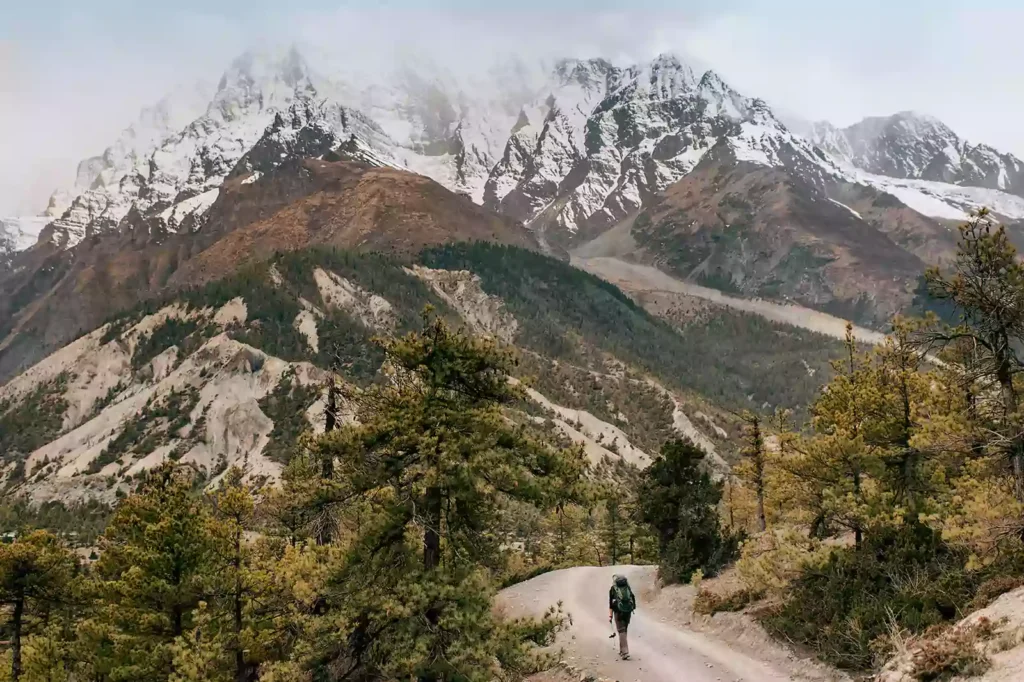
Is Nepal Safe to Travel in 2027? Current Safety Overview
Nepal remains a destination that travellers can plan to visit, but a trip should be planned around current local conditions. The main practical risks include road accidents, altitude sickness, landslides, flash floods and changing mountain weather.
Before travelling, take these five steps:
- Check your government’s latest Nepal travel advisory.
- Confirm the condition of your chosen destination and access roads.
- Arrange travel insurance that covers your planned activities and trekking altitude.
- Understand altitude sickness before starting a high-altitude trek.
- Use reliable accommodation, transport and local trekking support.
A country-level travel advisory does not guarantee that every district, road or trekking route is safe. Conditions can change quickly, especially during the monsoon and after major natural disasters.
What do government travel advisories say about Nepal?
The United States, United Kingdom, Australia and Canada publish official travel advice for Nepal. Their advisory systems differ, so compare the actual warnings rather than looking only at their numerical levels.
The information below was checked on 10 November 2026. These are current advisory details, not confirmed 2027 travel conditions.
As checked on 10 November 2026:
- The US State Department advised travellers to exercise increased caution in Nepal because of natural disasters. It also advised against travel to the Rasuwagadhi-Timure-Syafrubesi area of Rasuwa because of flood damage and continuing risks.
- The UK FCDO reported extensive damage to buildings, roads, transport and communication infrastructure following the August 2026 floods in Rasuwa and the Nepal-China border area.
- Australia’s Smartraveller advised a high degree of caution in Nepal due to natural disasters and road accidents. It also warned about flood-affected areas in Rasuwa and Nuwakot.
- Canada’s travel advice included a warning against non-essential travel to parts of the Trishuli River corridor.
Check these official pages again before departure. Their advice can change, and the November 2026 warnings should not be treated as a prediction of conditions throughout 2027.
Are Nepal’s major trekking routes safe after the 2026 floods?
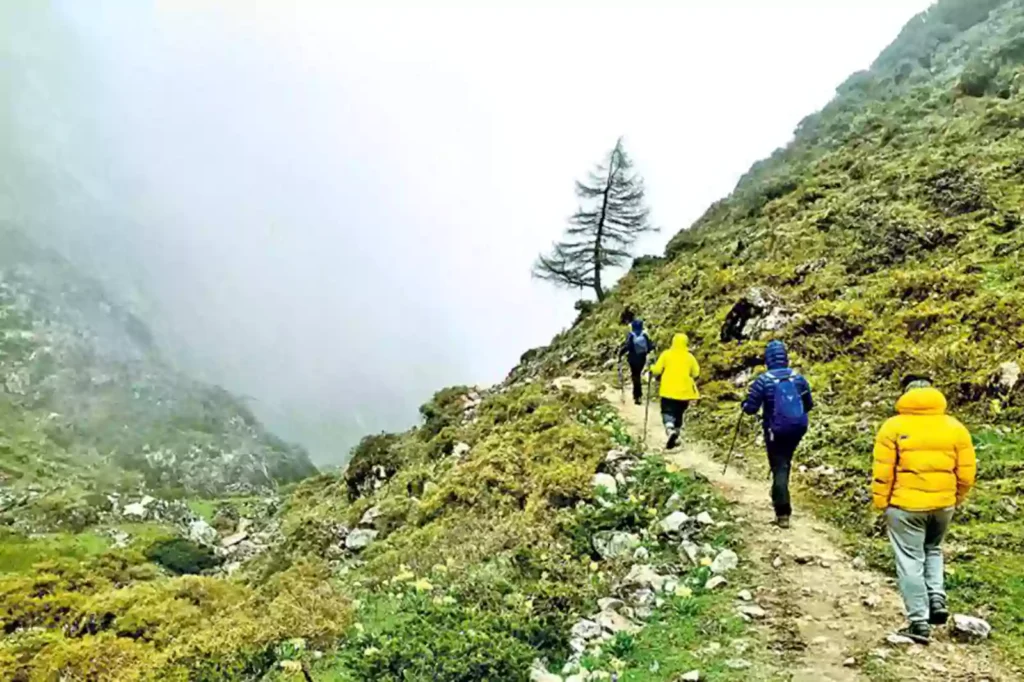
The 2026 floods caused serious damage in parts of Rasuwa and other river corridors. Roads, bridges, local businesses and transport infrastructure were affected.
One documented example is the road connecting Betrawati in Nuwakot with Rasuwagadhi in Rasuwa. Floodwaters damaged sections of the 42-kilometre road and swept away several bridges. This disrupted access towards Syabrubesi, Dhunche and the Nepal-China border area.
That example shows why travellers should check both the trekking route and the road leading to it.
For 2027 planning, review each destination separately:
Do not assume that a trekking region is fully accessible because its main trail was open in a previous season. Access roads, bridges, accommodation and local services can change.
For more detailed information, read our Nepal trekking routes after the floods and Nepal trekking conditions for 2027.
Before confirming transport, ask your trekking operator or local contact to check the actual road and trail conditions for your travel dates.
What Are the Main Safety Risks When Travelling in Nepal?
The risks depend on where you are going and what you plan to do. A visitor spending a few days in Kathmandu faces different concerns from someone crossing a high mountain pass.
The main risks for travellers include altitude sickness, road accidents, landslides, flash floods and unpredictable mountain weather.
1. Is Altitude Sickness a Risk When Trekking in Nepal?
Yes. Altitude sickness can affect anyone who ascends to high elevations too quickly. It can occur above approximately 2,500 metres, and being young, physically fit or an experienced hiker does not make you immune.
Common symptoms include:
- Headache
- Nausea
- Dizziness
- Loss of appetite
- Unusual tiredness
- Difficulty sleeping
Popular trekking routes such as Everest Base Camp, Annapurna Circuit and Manaslu involve substantial elevation gain. Proper acclimatisation is therefore an important part of planning.
To reduce the risk:
- Ascend gradually.
- Include appropriate acclimatisation days.
- Avoid continuing upward when altitude symptoms develop.
- Descend if symptoms worsen.
- Seek medical assistance when necessary.
Confusion, difficulty walking straight and breathlessness at rest can indicate serious altitude illness. These symptoms require urgent medical attention and descent where appropriate.
At Nepal Footprint Holiday, we plan high-altitude itineraries around gradual ascent and suitable acclimatisation stops. The exact schedule depends on the route, elevation profile and individual circumstances.
Read our detailed altitude sickness prevention guide before choosing a high-altitude trek.
2. Are Domestic Flights and Road Travel Safe in Nepal?
Domestic flights and road transport connect many of Nepal’s major tourist destinations. However, weather, road conditions and geography can affect both.
Mountain flights may be delayed or cancelled because of poor visibility, wind and changing weather. This is particularly relevant when flying to Lukla.
If your itinerary includes a mountain flight:
- Use reputable airlines.
- Follow airline safety instructions.
- Allow extra days for possible delays.
- Avoid tight international connections after mountain flights.
- Keep your trekking operator informed about flight changes.
Read our Lukla Airport and flight guide before planning an Everest Base Camp itinerary.
Road travel requires similar preparation. Some mountain roads are narrow, steep and exposed to landslides. Heavy rain can damage road surfaces, wash away sections and interrupt access to villages.
For longer journeys, choose reputable tourist transport or properly arranged private vehicles. Wear a seat belt where available. Avoid overcrowded vehicles and unnecessary night journeys, particularly on unfamiliar mountain roads.
Allow extra travel time. A journey that normally takes several hours may take longer when roadworks, traffic or weather cause delays.
3. Is Nepal Safe During the Monsoon Season?
Nepal’s main monsoon period generally runs from June through September. Heavy rainfall can cause landslides, flash floods, road closures and trail damage.
The risk varies by region. Some areas receive much heavier rainfall than others, and conditions can change during the same season.
Spring and autumn are generally preferred for many popular trekking routes, but these seasons are not risk-free. Mountain weather can change in any month.
Before travelling during the monsoon or immediately after heavy rainfall, check:
- Local weather forecasts.
- Flood and landslide warnings.
- Road and bridge conditions.
- Trail closures.
- Advice from local authorities.
Our Nepal trekking season guide explains seasonal differences across the country.
For travellers considering summer departures, read trekking in Nepal during monsoon.
Never cross a flooded river or unstable landslide area to maintain a trekking schedule. Wait for reliable local advice or change the route.
Is Nepal Safe for Solo Female Travellers?
Women travel independently in Nepal, including in Kathmandu, Pokhara and popular trekking destinations. However, solo female travellers should take sensible precautions. Harassment and sexual assault risks exist, as they do in other travel destinations.
Practical steps include:
- Stay in established accommodation with reliable reviews.
- Use recognised taxis and transport providers.
- Avoid isolated streets late at night.
- Keep your phone, wallet and passport secure.
- Share your travel and trekking itinerary with someone you trust.
- Arrange appropriate local trekking support when needed.
When visiting temples, monasteries and traditional villages, modest clothing is generally appreciated. This is mainly a matter of local custom and respect.
On remote trekking routes, consider the availability of accommodation, communication and assistance before setting out alone.
Do solo trekkers need a guide in Nepal?
Guide and TIMS requirements depend on the trekking route and permit category. Foreign trekkers should not assume that every route follows the same rules.
The Nepal Tourism Board’s published TIMS guidance lists specific routes where trekkers must be accompanied by a licensed trekking guide and carry a trekking agency-issued TIMS card. Its listed routes include Everest Base Camp, Langtang, Gosaikunda, Manaslu Circuit and Annapurna Circuit, among others.
Restricted areas can have additional permit and organised-trekking requirements.
Check the latest Nepal Tourism Board TIMS information and our solo trekking in Nepal: safety and legal requirements before arranging your trip.
You can also read our Nepal trekking permits guide.
If you prefer travelling independently but need local assistance, a small-group trek can be an option.
Is Kathmandu Safe for Tourists?
Kathmandu is a busy capital city with established tourist areas, hotels, restaurants, shops and transport services. Many international visitors use Thamel as their base before and after trekking.
As in other busy cities, visitors should watch for pickpocketing, bag-snatching and taxi overcharging.
A few simple precautions help:
- Keep your phone and wallet secure in crowded areas.
- Avoid displaying large amounts of cash.
- Agree on the taxi fare before travelling if the meter is not used.
- Use reliable transport providers.
- Avoid poorly lit streets late at night.
- Keep important documents and valuables in a secure place.
Take extra care when crossing roads. Traffic can be busy, and pedestrian crossings are not always used consistently.
Is tap water safe to drink in Nepal?
Untreated tap water should not be considered safe for drinking in Nepal.
Choose properly boiled, filtered or bottled water. When trekking, carry purification tablets or a suitable water filter if you expect to refill from local sources.
Also avoid untreated water and ice when the source cannot be confirmed. If you have a sensitive stomach, take extra care with food and drinking water during the first few days of your trip.
What Permits Do You Need for Trekking in Nepal?
The permits you need depend on your destination, trekking route and nationality.
Some trekking areas require conservation-area or national-park entry permits. Specific routes also require a licensed guide and a trekking agency-issued TIMS card under the Nepal Tourism Board’s published provisions.
Restricted trekking areas have additional requirements. These may include special permits, licensed guides and organised trekking arrangements through a registered agency.
Examples of destinations with special or route-specific requirements include:
- Upper Mustang
- Upper Dolpo
- Manaslu
- Tsum Valley
- Nar Phu Valley
- Kanchenjunga
Do not assume that one permit covers every region. Check the current rules before booking, particularly if you plan to combine different trekking areas.
Our remote-area trekking guide explains the differences between established trekking destinations and restricted areas.
How to Choose a Safe Trekking Company in Nepal
A reliable trekking company can help organise permits, transport, accommodation, guides and emergency arrangements. It should also explain what is included in the package and what happens if weather or route conditions force a change of plan.
Before booking, check:
- Company registration and relevant tourism affiliations.
- Guide qualifications and experience.
- The proposed itinerary and acclimatisation schedule.
- Transport and accommodation arrangements.
- Emergency communication and evacuation procedures.
- Insurance requirements.
- Written package inclusions and exclusions.
Ask direct questions. Who will lead your trek? How many people will be in the group? What happens if someone develops altitude symptoms? Is there a plan if a road or trail becomes inaccessible?
At Nepal Footprint Holiday, we organise small-group and tailor-made trekking holidays with local guides. Our trips include teahouse and camping arrangements depending on the destination.
Our planning focuses on suitable itineraries, gradual altitude gain, local knowledge and clear communication. The arrangements vary according to the route and group requirements.
For high-altitude trekking, arrange travel insurance that specifically covers your planned altitude and emergency evacuation. Do not assume that a standard travel policy includes helicopter rescue.
A helicopter evacuation is not guaranteed. Weather, location, aircraft availability, medical assessment and operational conditions can all affect whether a rescue can take place.
Learn more about why travellers choose Nepal Footprint Holiday.
Recommended treks in Nepal for 2027
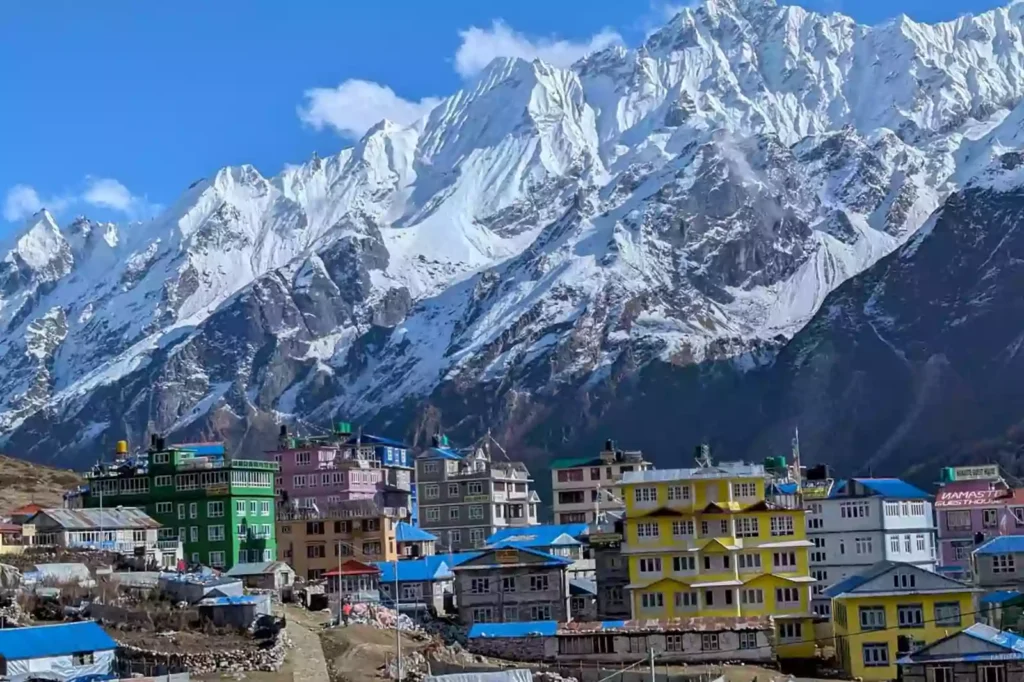
These established trekking options offer different levels of difficulty, scenery and travel time. Their suitability depends on your fitness, experience, available time and the conditions when you travel.
- Everest Base Camp Trek: A high-altitude journey in the Khumbu region, with acclimatisation planning required.
- Annapurna Base Camp Trek: A mountain sanctuary trek with established teahouse accommodation along the route.
- Langtang Valley Trek: A Himalayan valley journey with Tamang cultural experiences. Confirm current access and transport conditions before departure.
- Manaslu Circuit Trek: A longer mountain circuit with specific permit and guide requirements.
Before selecting a route, compare the itinerary, access conditions, permits, altitude profile and available accommodation.
Planning Your 2027 Nepal Holiday?
Explore our Nepal trekking packages and compare routes, durations, and itineraries before choosing the right trek for your holiday.
Frequently Asked Questions About Nepal Travel Safety
1. Is Nepal safe to visit in 2027?
Yes, Nepal is a destination that travellers can plan to visit in 2027. However, safety depends on the region, season and activities. Check current government travel advisories, road conditions and trekking access before departure. Allow flexibility for weather-related delays and follow local safety instructions.
2. Is Nepal safe for solo female travellers?
Yes, solo female travellers visit Nepal, but they should take sensible precautions. Choose established accommodation, use reliable transport and avoid isolated areas late at night. On trekking routes, follow the applicable guide requirements and share your itinerary with someone you trust.
3. Do I need a guide to trek in Nepal?
Yes, many established trekking routes and restricted areas require licensed guides under Nepal’s current regulations. Requirements vary according to the route and permit category. Check the latest Nepal Tourism Board and Department of Immigration rules before organising your 2027 trek.
4. Is Everest Base Camp safe for beginners?
Everest Base Camp can be suitable for beginners who have prepared physically and follow an appropriate itinerary. However, the route reaches high altitude, so acclimatization is essential. Choose a suitable walking pace, understand altitude sickness symptoms and allow enough time for the journey.
5. Is it safe to travel to Nepal after the 2026 floods?
Yes, travellers can plan visits to unaffected and accessible destinations, but some flood-affected areas may continue to experience infrastructure damage. Check the latest road, bridge and trail conditions before departure. Do not assume that every trekking approach or border crossing has reopened.
6. What is the biggest safety risk for tourists in Nepal?
Altitude sickness, road accidents and natural disasters are among the main practical risks for travellers in Nepal. Their importance varies by itinerary and season. Gradual acclimatization, reliable transport, appropriate insurance and current local information can help reduce avoidable risks.
Is Nepal Worth Visiting in 2027?
Yes, Nepal offers a wide range of experiences, from Kathmandu’s cultural heritage to the high Himalayan trekking regions.
However, a successful trip requires more than choosing a popular destination. Travellers should consider the season, access roads, altitude, permits, weather, and available local support.
I have worked in Himalayan tourism since 1999, and my advice remains simple: take the mountains seriously, respect local conditions, and never rush a journey just to complete an itinerary.
If you are planning an Everest, Annapurna, Langtang, or Manaslu trek in 2027, our Kathmandu team can help you compare routes and arrange a suitable itinerary.
Plan Your Nepal Trekking Holiday for 2027
Tell us your preferred destination, travel dates, and available days. Our Kathmandu team can help you plan your Himalayan journey.