


Most visitors picture Nepal as snow peaks and prayer flags, so Chitwan comes as a surprise. A few hours south of Kathmandu, the hills flatten into the Terai, the air turns warm and thick, and you find yourself in a jeep watching a rhino chew river grass ten metres away. Chitwan National Park is Nepal’s oldest national park and still its best place to see big wildlife, and it fits neatly into almost any trip, whether you are coming off a trek or adding a few slow days to a culture tour.
This guide covers what you actually need to plan a visit in 2027: how to get there, which gate to use, what you are likely to see, what safaris cost, when to go, and a few things we have learned from years of sending guests down to the jungle.
Chitwan National Park at a Glance
| Detail | Information |
|---|---|
| Location | Inner Terai, south-central Nepal (Bagmati, Gandaki and Madhesh provinces) |
| Area | About 952 sq km, plus a buffer zone of community forests and farmland |
| Established | 1973, Nepal’s first national park |
| UNESCO World Heritage Site | Since 1984 |
| Main gateway | Sauraha (most lodges), with quieter options at Meghauli, Kasara and Amaltari |
| Park entry fee | NPR 2,000 per day for foreigners, NPR 1,000 for SAARC nationals |
| Best time | October to March, with February to April good for sightings |
| Ideal stay | Two to three nights |
Where Is Chitwan and How Do You Get There?
The park sits in the lowlands roughly 150 km southwest of Kathmandu, with the Rapti River forming much of its northern edge. The nearest city is Bharatpur, and the tourist village of Sauraha is about a 30-minute drive from there.
From Kathmandu by Road
Tourist buses leave from the Thamel area around 7am and reach Sauraha in roughly five to seven hours. The road follows the Trishuli River before dropping down through Mugling, and road works and lunch stops can stretch the day, so don’t plan anything important for your afternoon of arrival. A private car or jeep is faster and lets you stop when you like, which is worth it for families or small groups. If you want a more active option, many rafting trips in Nepal start in Trishuli, and some travellers raft for a day and then continue to Chitwan.
Flying to Bharatpur
Flights from Kathmandu to Bharatpur take about 25 minutes. They cost more than the bus but save most of a day, which matters if your time in Nepal is short. Your lodge can usually arrange a pickup from the airport.
From Pokhara
Tourist buses also run from Pokhara each morning and take around five to six hours. Many people do Kathmandu, Pokhara and Chitwan as a loop, finishing in the jungle once they have done their trekking around Pokhara, such as the short Poon Hill trek.
Which Side of the Park Should You Choose?
- Sauraha: The main hub on the park’s northern edge. It has the widest choice of hotels, restaurants, and safari operators, and it is where most first-time visitors stay.
- Meghauli: Further west, quieter and home to some of the park’s higher-end lodges. Good if you want fewer vehicles around you.
- Kasara: The park headquarters and the gharial crocodile breeding centre are here. It is a common stop on full-day jeep safaris.
- Amaltari: On the western, Nawalparasi side of the park, known for community homestays run by Tharu families. It is a nice choice if you care more about village life than nightlife.
What Wildlife Can You Realistically See in Chitwan?
It helps to be honest here. Chitwan is a dense jungle of sal forest and elephant grass that can grow taller than a jeep, not an open savannah. You will almost certainly see rhinos, deer, crocodiles, and plenty of birds. Tigers and leopards are possible, but you need patience and some luck.
One-Horned Rhinos
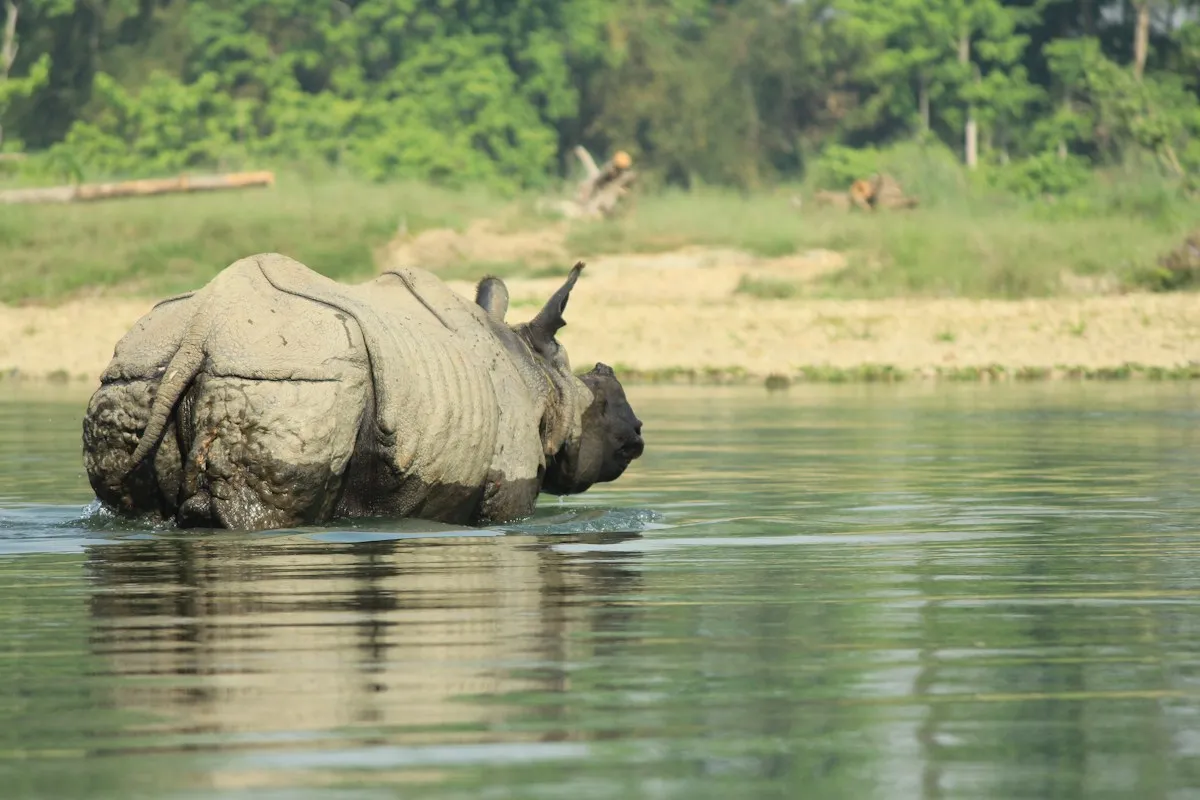
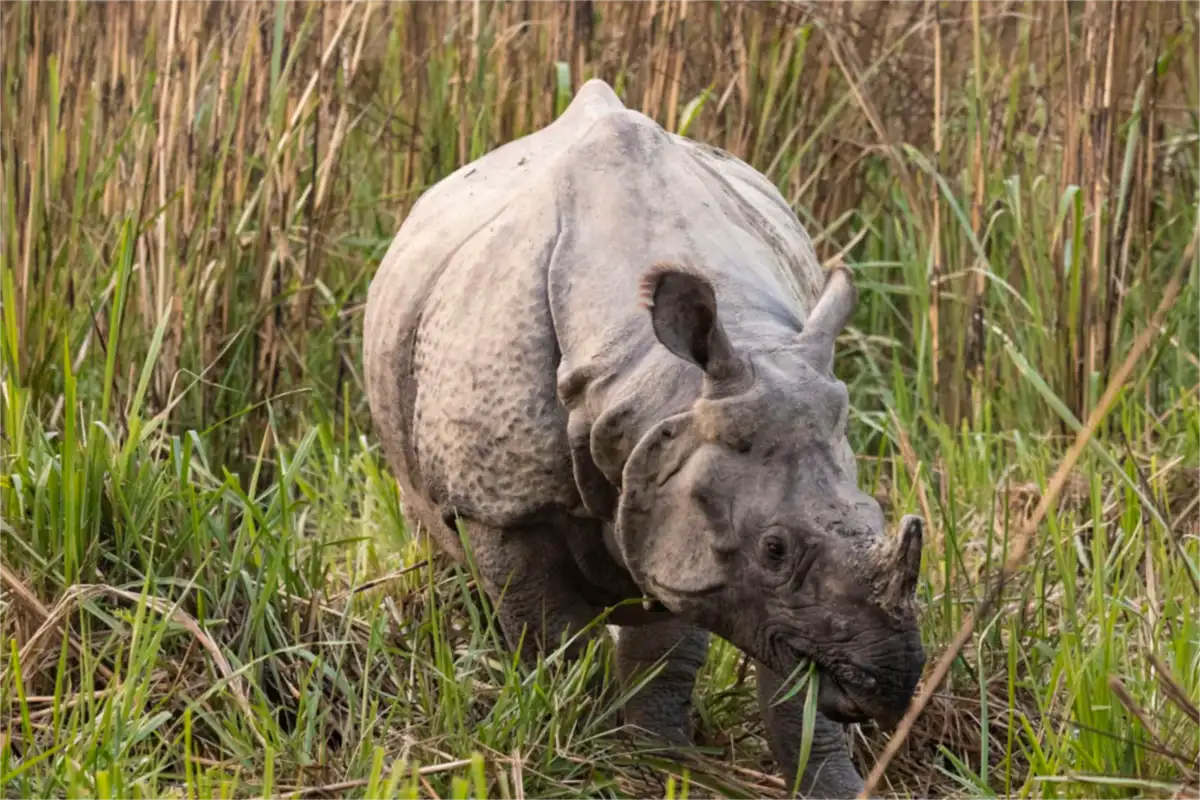
The greater one-horned rhino is Chitwan’s star, and the park is one of the best places in Asia to see it. The last national count in 2021 recorded 752 rhinos in Nepal, and 694 of them were in Chitwan. A new census was postponed in 2025 because of funding problems, so that remains the latest official number. Rhinos graze along the riverbanks and in open grassland, so you often spot them from a canoe or on the edge of Sauraha itself.
Bengal Tigers
Nepal’s latest tiger census, released in July 2026, counted 429 wild tigers across the country, and 145 of them were in Chitwan and its buffer zone. That makes Chitwan home to the largest tiger population in Nepal. Even so, tigers are shy and mostly active at dawn and dusk. A full-day jeep safari into the core area gives you the best chance, especially in the hotter months when animals stay close to water.
Crocodiles, Sloth Bears, Leopards and Deer
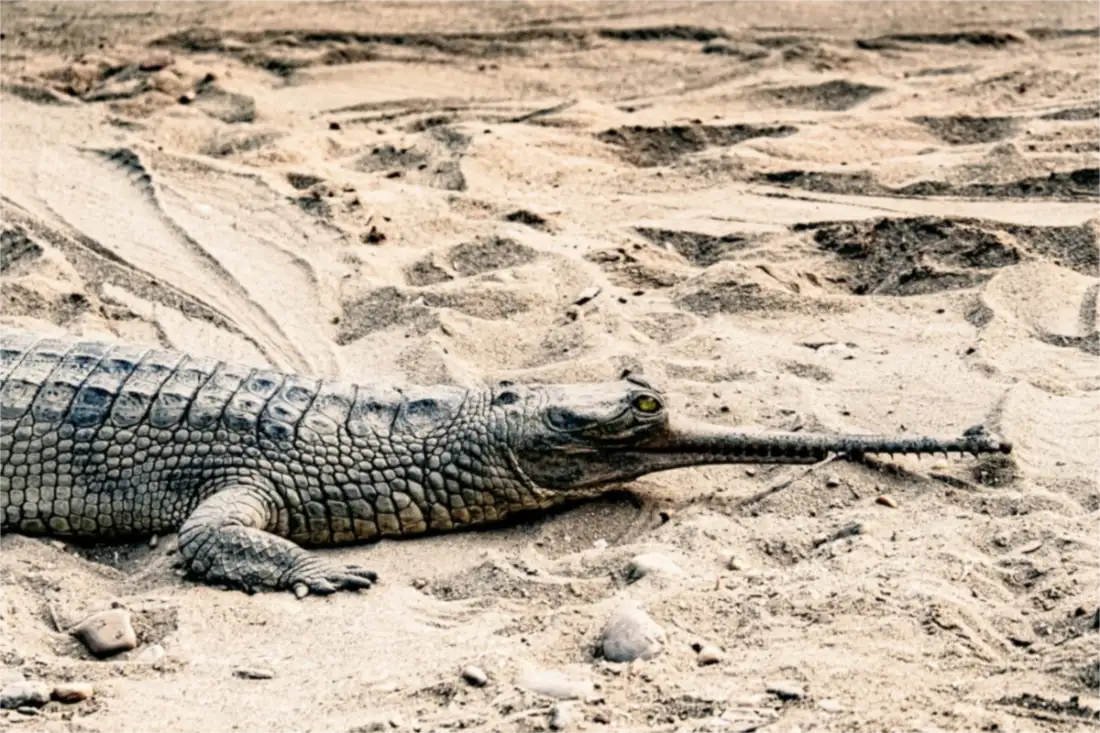
Two crocodile species live here: the mugger, which you will often see sunning itself on sandbanks, and the gharial, a rare fish-eater with a long, thin snout. Spotted deer, barking deer, sambar and wild boar are common. Sloth bears, leopards, gaur (wild bison) and wild elephants also live in the park, but sightings are rarer.
Birds
More than 500 bird species have been recorded in Chitwan, from kingfishers and hornbills to the endangered Bengal florican. Winter brings migrants from the north, which makes December to February a great time for birders. Bring binoculars, as they help with everything from birds to spotting a rhino half hidden in the grass.
Chitwan Safari Options and What They Cost
Every activity inside the park needs a licensed guide, and you pay the park entry fee for each day you go in. Prices below are typical 2026 rates in Sauraha. They change with the season and the operator, and they do not include the park fee.
Jeep Safari
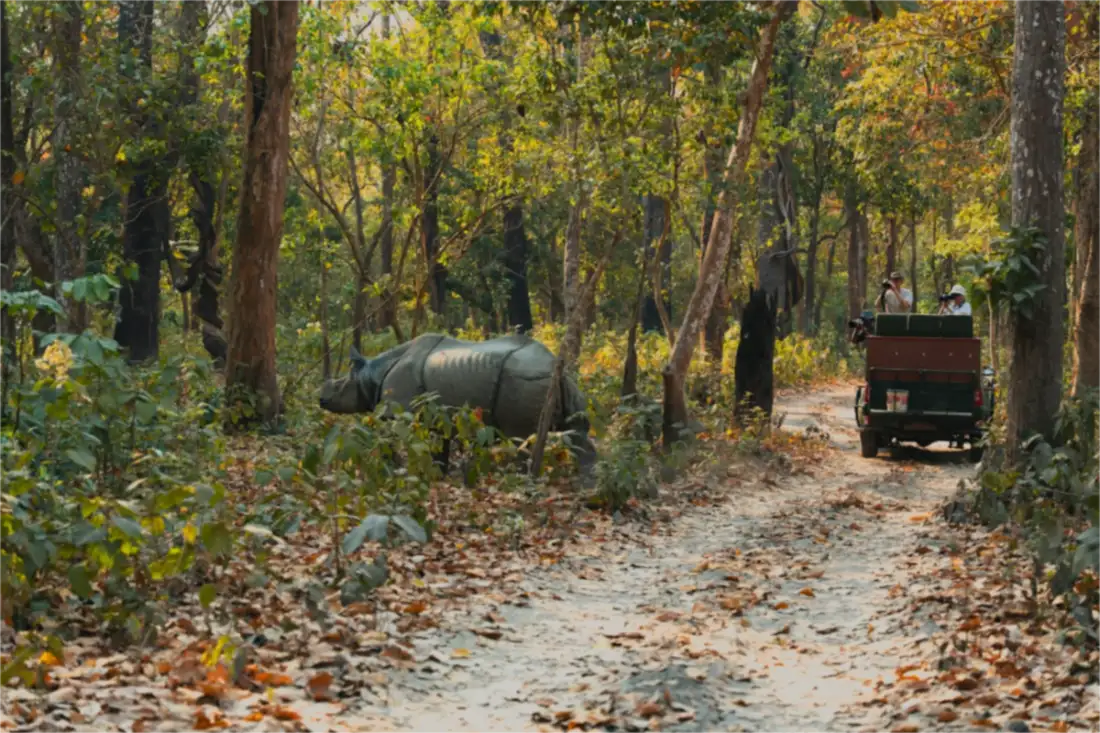
This is the classic Chitwan experience. A half-day safari covers the grasslands and forest near Sauraha, while a full-day trip goes deeper towards Kasara and the gharial breeding centre, with more time in areas where tigers are seen. Shared jeeps keep costs down. A private jeep costs more but lets you stop and wait quietly, which is how most tiger sightings happen.
Guided Jungle Walk
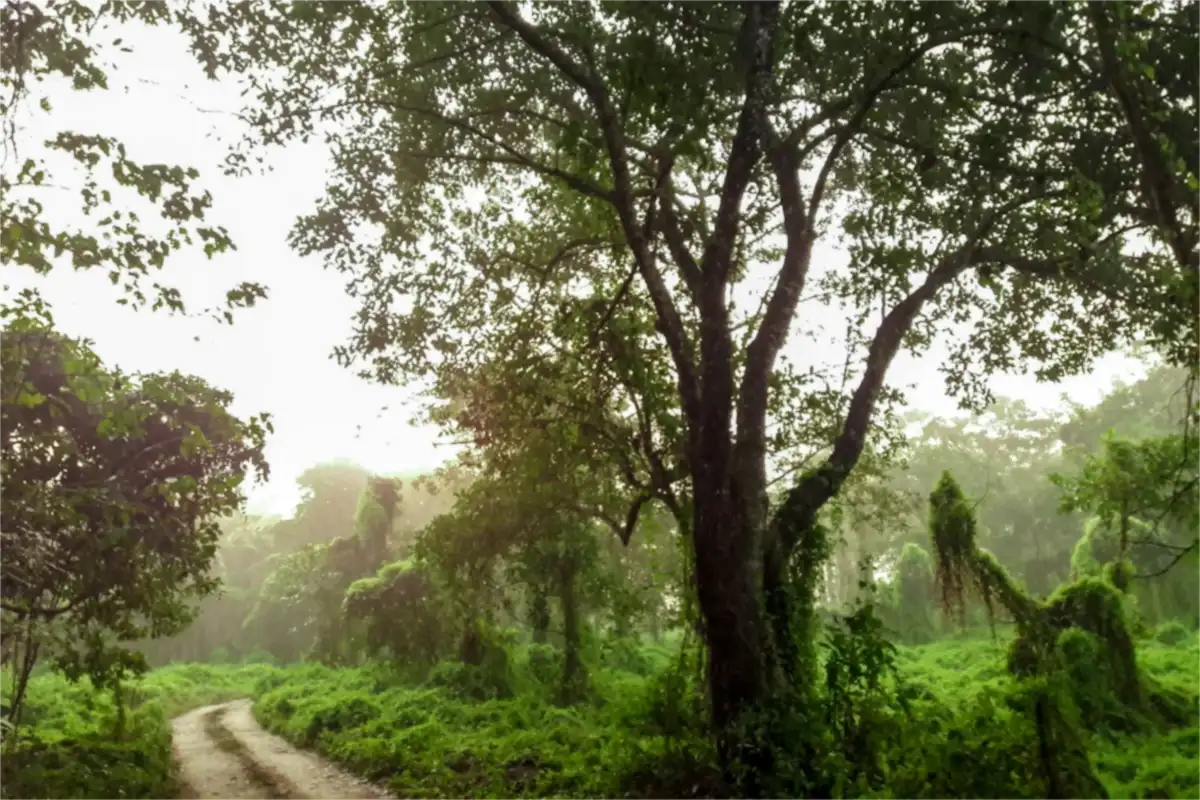
Walking in the jungle with two experienced guides is the most exciting way to see the park, and it is the one that makes your heart race when you hear something heavy moving in the grass. You see far more of the small life of the forest, like tracks, termite mounds, and birds. Listen carefully to your guides’ safety briefing. Rhinos can charge, and the rule of climbing a tree or running in a zigzag is real advice, not a joke.
Canoe Ride on the Rapti River
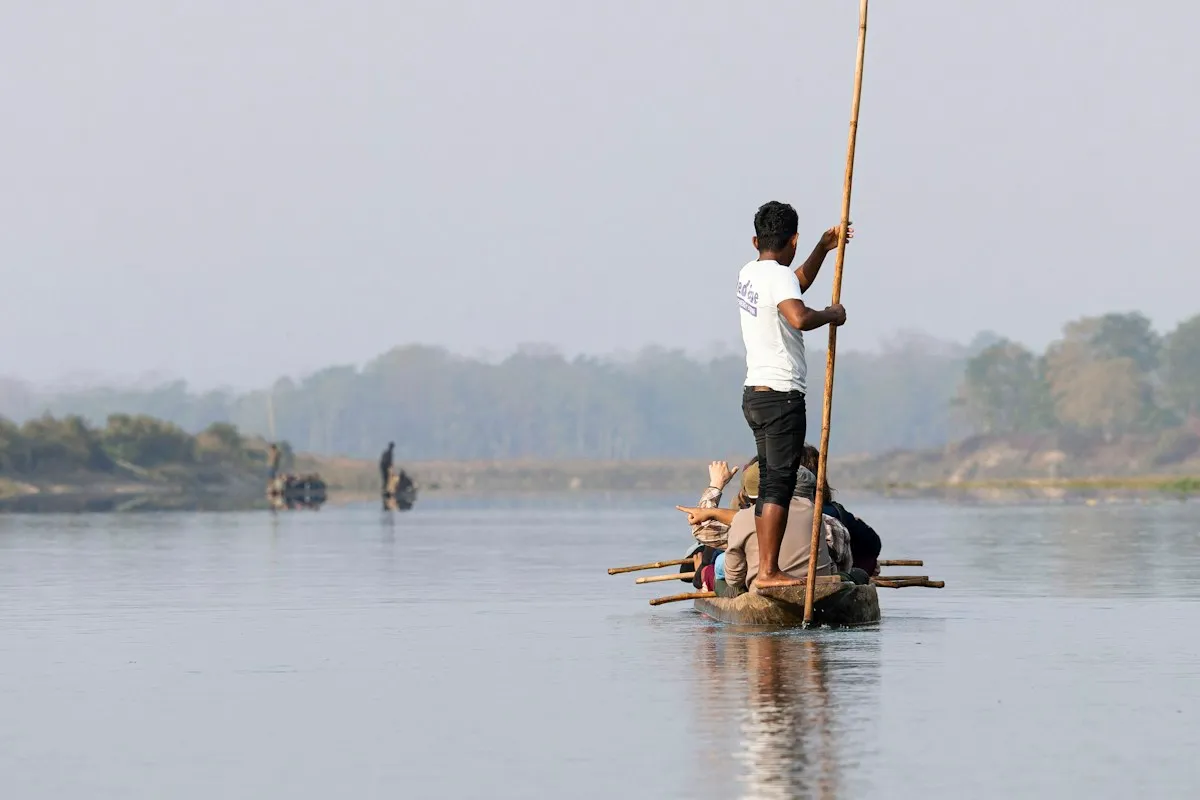
A dugout canoe trip is the quietest way into the park. You drift down the Rapti or Budhi Rapti watching crocodiles on the banks and kingfishers diving, then usually walk back through the forest with your guide. Early morning, when mist sits on the water, is the best time to go.
Why We Don’t Recommend Elephant-Back Safaris
Some lodges still sell elephant rides, and they are easy to book in Sauraha. We encourage our guests to skip them. Training and carrying tourists is hard on the animals, and jeeps, canoes, and walks get you just as close to the wildlife. You can read more about why we stopped offering them in our post on ending elephant-back safaris in Nepal.
| Activity | Duration | Typical cost (NPR) |
|---|---|---|
| Shared jeep safari, half day | 3 to 4 hours | 2,500 to 4,000 per person |
| Shared jeep safari, full day | 7 to 9 hours | 4,000 to 6,000 per person |
| Private jeep | Full day | 10,000 to 15,000 per vehicle |
| Guided jungle walk | 2 to 3 hours | 2,500 to 4,000 per person |
| Canoe ride | About 90 minutes | 1,500 to 2,500 per person |
| Tharu village walk | 2 to 3 hours | 1,000 to 3,000 per person |
| Park entry (foreigners) | Per day | 2,000 per person |
If you would rather not juggle bookings, our Chitwan jungle safari package covers transport, lodge, park fees, guides, and activities in one price.
Best Time to Visit Chitwan National Park
- October to November: Clear skies and pleasant days after the monsoon. The grass is still tall, so animals can be harder to spot, but it is a lovely time to travel.
- December to February: Cool, sometimes foggy mornings and warm afternoons. This is the best season for birdwatching. Once the grass is cut in winter, visibility improves noticeably.
- March to May: It gets hot, often over 35°C by May. Water sources shrink, so animals gather near rivers and pools, which makes this the best season for tiger sightings if you can handle the heat.
- June to September: Monsoon season. Rain, leeches, and flooded tracks close parts of the park, and some activities stop. It is green and very quiet, though, and lodges offer good discounts.
For more on how the seasons shape travel across the country, see our guide to weather and climate in Nepal.
How Many Days Do You Need?
Two nights is the minimum to feel you have properly seen Chitwan, and three nights is better if you want a full-day safari. A typical two-night stay looks like this:
- Day 1: Travel from Kathmandu or Pokhara, check in, then take a sunset walk to the Rapti Riverbank and watch a Tharu cultural dance in the evening.
- Day 2: Early canoe ride and jungle walk, a visit to the elephant breeding centre in the afternoon, or a half-day jeep safari.
- Day 3: Early morning birdwatching, breakfast, then travel on to your next stop.
Chitwan also works well as part of a longer route. Our Kathmandu, Chitwan and Lumbini tour pairs the jungle with the birthplace of the Buddha, and you can add a couple of days in the capital using our list of top places to visit in Kathmandu.
Beyond the Park: Tharu Villages and Community Forests
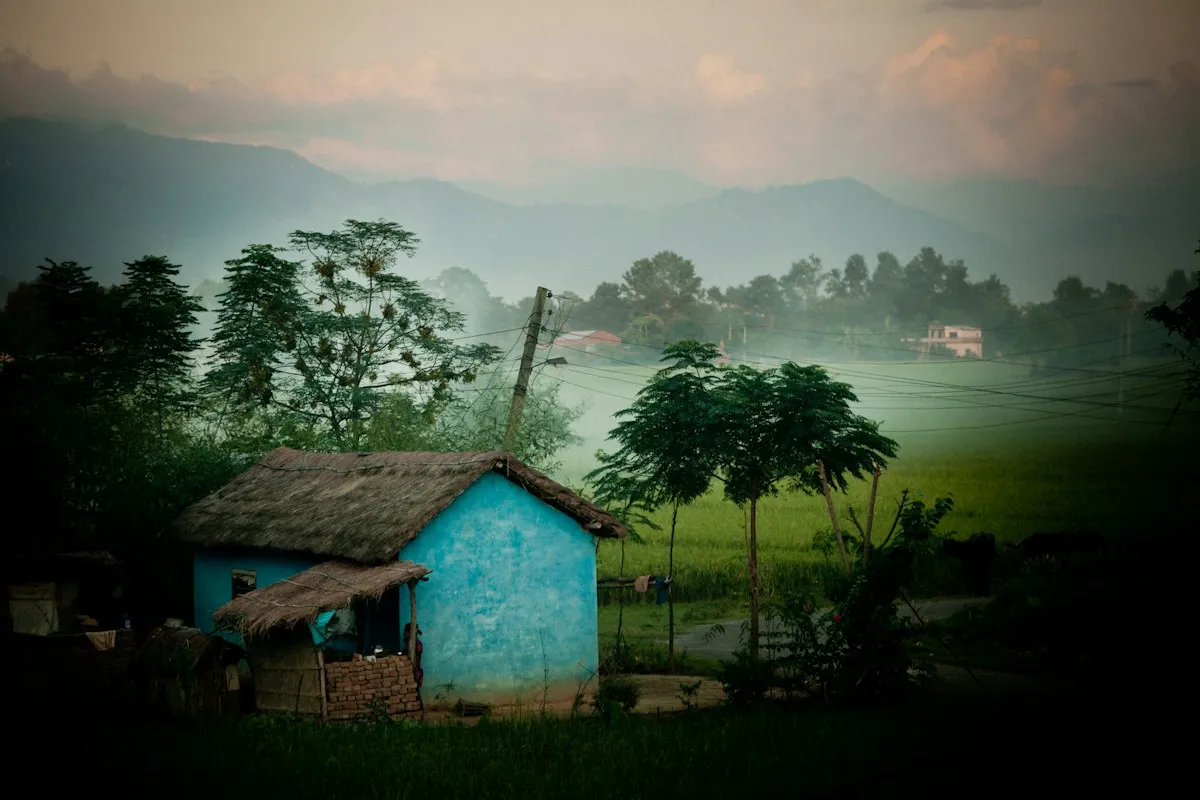
The Tharu people have lived in the Terai for centuries, and their culture is a big part of any Chitwan visit. A village walk shows mud-and-straw houses with painted walls, small farms, and family kitchens. Evening stick dance performances in Sauraha are lively and fun, even if they are put on for visitors.
The buffer zone around the park is managed by local communities, and many of them run their own forests and wildlife areas. Places such as the Baghmara and Kumroj community forests offer good walks and canoe trips, and part of what you pay supports conservation and the villages next to the park. Staying in a homestay at Amaltari or Barauli is one of the simplest ways to make sure your money stays local.
Practical Tips for Your Chitwan Trip
- Wear muted colours. Greens, browns and khakis help on jungle walks. Avoid white and bright colours.
- Bring the basics: binoculars, insect repellent, a hat, sunscreen, a refillable water bottle and a light jacket for cold winter mornings.
- Carry some cash. Sauraha has ATMs, but they can run dry on busy weekends. Our guide on how much cash to carry in Nepal has more tips.
- Keep quiet on safaris. Talking and phone calls scare animals away long before you see them.
- Take your guide’s advice seriously around rhinos, wild elephants and sloth bears. They are wild animals, not attractions.
- Check that your visa covers your full trip, including any extra days in the Terai. Our Nepal visa information page explains the current fees and rules.
Chitwan is generally very safe for travellers. For wider advice, read our guide on whether Nepal is safe to visit.
Chitwan or Bardiya: Which Park Should You Visit?
If you have only a short time, Chitwan is the easier choice. It is closer to Kathmandu and Pokhara; it has more accommodation, and rhino sightings are almost guaranteed. Bardiya, in the far west, is wilder and much quieter, and it attracts people who are willing to spend long hours waiting for tigers. If that sounds like you, read our Bardiya National Park guide or look at our Bardiya wildlife safari. You can also compare both on our jungle safari in Nepal page.
Frequently Asked Questions About Chitwan National Park
How much is the Chitwan National Park entry fee?
Foreign visitors pay NPR 2,000 per person per day, SAARC nationals pay NPR 1,000, and Nepali citizens pay NPR 150. Children under 10 are generally free. Your guide or lodge usually buys the permit for you.
Can I visit Chitwan without a guide?
You can walk around Sauraha, the riverbank, and Tharu villages on your own, but you need a licensed guide for any activity inside the park, including jeep safaris, jungle walks, and canoe trips.
What are the chances of seeing a tiger in Chitwan?
They are better than ever, with 145 tigers counted in Chitwan in 2026, but sightings are still uncommon. A full-day jeep safari in the hot months, from March to May, gives you the best odds.
Is Chitwan worth visiting in the monsoon?
It can be, if you like quiet and greenery and don’t mind rain. Some tracks and activities close from June to September, so plan around a shorter, more flexible stay.
Is Chitwan suitable for children and older travellers?
Yes. Jeep safaris, canoe rides and village walks are easy, and most lodges in Sauraha are comfortable. Families with young children should skip long jungle walks and choose shorter activities.
Plan Your Chitwan Safari With Nepal Footprint
Chitwan gives you a very different side of Nepal, with slow mornings on the river, the sound of the jungle at night, and that first rhino you will never forget. If you want help fitting it into your trip, whether it’s a two-night add-on after a trek or part of a family holiday, our team can plan the transport, lodge, and activities for you. Send us an inquiry and tell us your dates.