


Not everyone who comes to Nepal has two weeks and strong knees for the trail to Everest Base Camp. Some guests are here for a family wedding, some are on a short stopover between India and Bhutan, and some simply know that thin air and steep switchbacks aren’t for them. For all of them, the Everest mountain flight is the easiest way to see the world’s highest mountain with your own eyes. You leave Kathmandu before breakfast, spend about an hour cruising alongside the Himalaya, and you’re back at your hotel in time for a second coffee.
We’ve booked these flights for guests for years, and plenty walk off the plane slightly stunned. This guide covers what you need to know for 2027: how the flight works, what it costs, which airline to pick, where to sit, what you’ll actually see, and whether it’s worth your money compared with a helicopter tour or a trek.
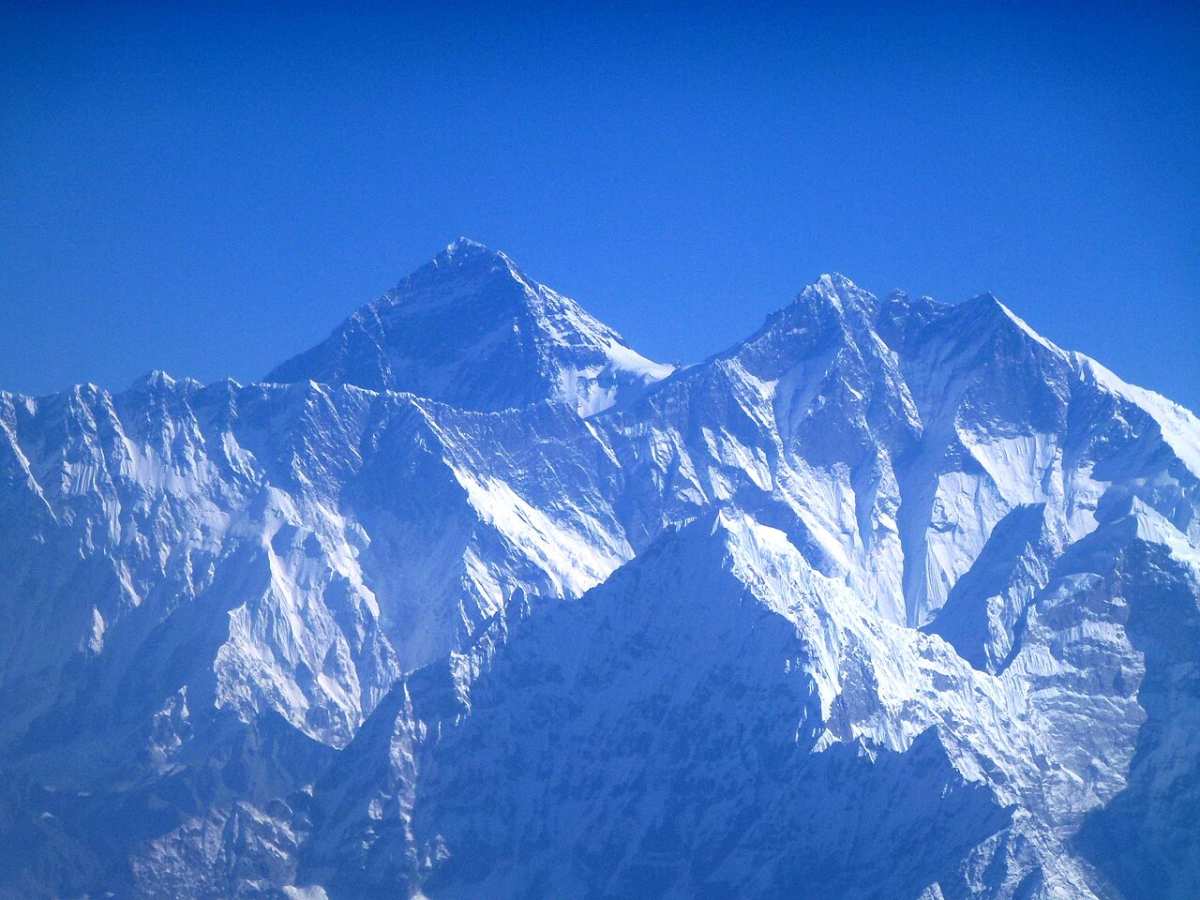
Everest Mountain Flight at a Glance
| Departure | Tribhuvan International Airport, domestic terminal, Kathmandu |
| Flight time | About 50 to 60 minutes, return to Kathmandu |
| First take-off | Around 6:00 to 6:30 AM, with later departures through the morning |
| Cruising altitude | Roughly 21,000 to 25,000 ft, depending on aircraft and conditions |
| Typical cost (foreign nationals) | Around USD 230 to 280 per person |
| Main airlines | Buddha Air, Yeti Airlines, Shree Airlines |
| Best months | October to early December and March to May |
| Fitness needed | None. The cabin is pressurised, so there’s no altitude sickness risk |
What Exactly Is an Everest Mountain Flight?
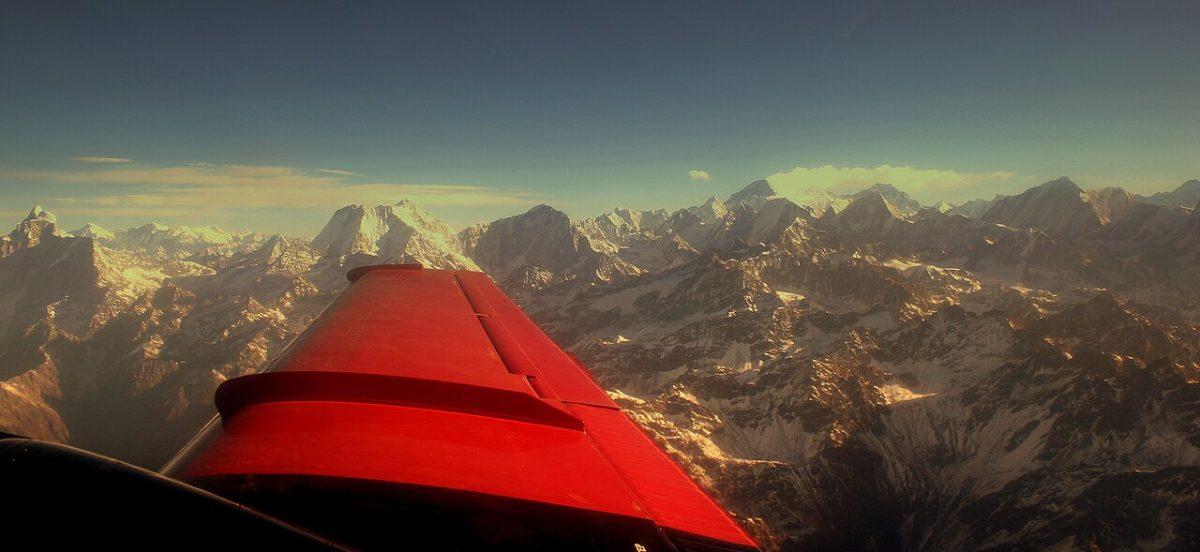
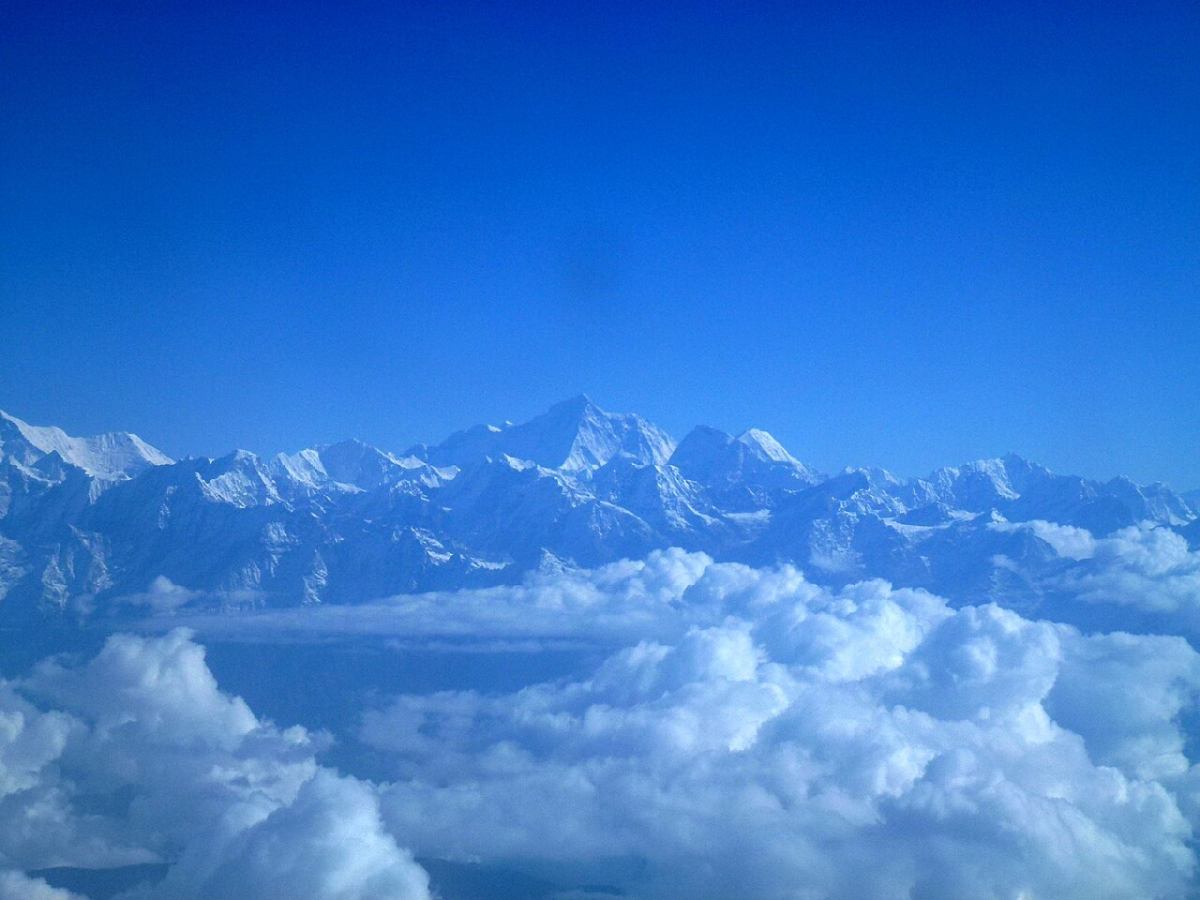
It’s a scheduled sightseeing flight that takes off from Kathmandu, flies east along the Himalayan range, turns around near Mount Everest, and returns straight to Kathmandu. You never land anywhere else. The plane doesn’t fly over the summit, and it isn’t meant to. Instead, it runs parallel to the mountains so the whole chain unfolds outside your window like a moving panorama.
Because the aircraft is pressurised, you can go from 1,400 m in Kathmandu to well above Everest Base Camp without the headaches, breathlessness, or acclimatisation days trekkers deal with. That’s the real magic of it. A 75-year-old grandmother and a ten-year-old can share the same view that takes a trekker more than a week of walking to earn.
How Much Does an Everest Mountain Flight Cost in 2027?
For foreign passport holders, expect to pay somewhere between USD 230 and USD 280 per person for a standard seat. The exact figure moves with the airline, the season, and the exchange rate, and fares can creep up during the busy weeks of October and November. Nepali citizens pay a much lower local fare in rupees, and Indian nationals are often offered a discounted rate too, so check which fare class applies to you before you compare prices online.
The fare usually covers the flight itself, a window seat, light refreshments on some airlines, and a souvenir certificate. What it doesn’t always include is the domestic airport tax and the ride to the airport at 5 AM. When you book through us as part of our Mountain Flight Nepal package, hotel pickup and drop-off are included, and we handle the ticketing and rebooking if the weather turns.
A quick tip from experience: don’t chase the cheapest seat you can find on a third-party site. If the flight is cancelled, having a local team who can move you to the next morning’s departure is worth more than the few dollars saved.
Which Airlines Operate Everest Flights?
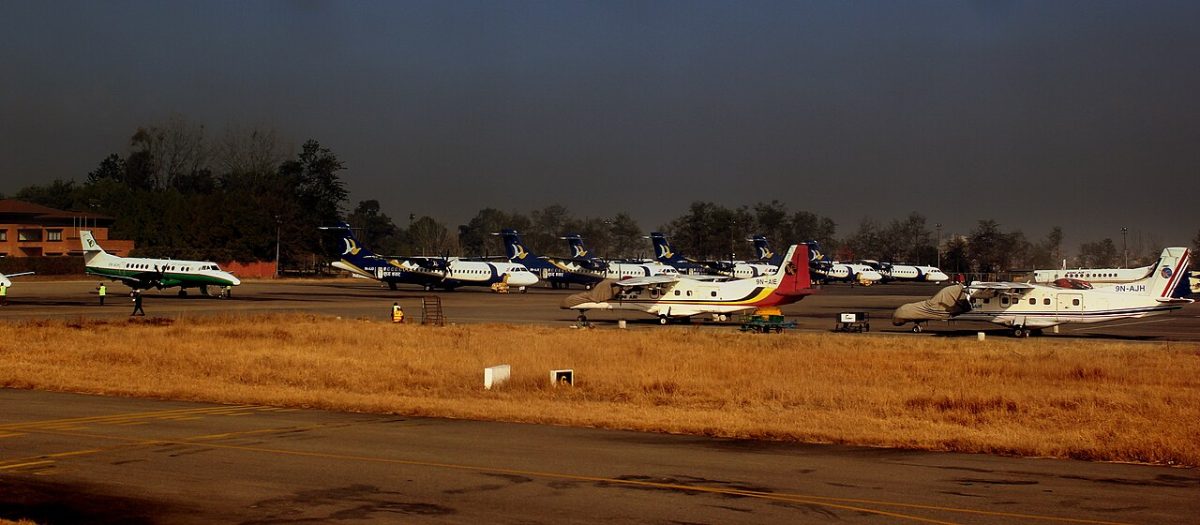
Three domestic carriers run regular mountain flights from Kathmandu.
Buddha Air
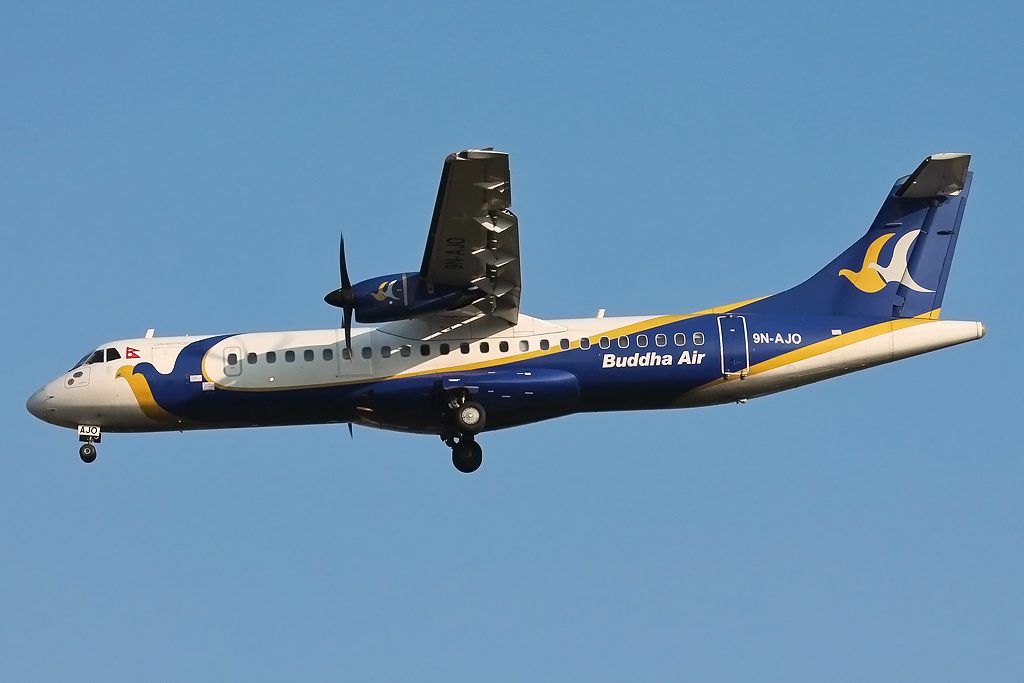
Buddha Air is the name most people recognise. It flies the route as the “Everest Experience” on ATR 72-500 and ATR 42 turboprops, with flights starting from around 6:15 AM. Every passenger gets a window seat, and you receive a certificate after landing. Buddha Air also has the largest fleet, which helps when the airline needs to consolidate passengers after a weather delay.
Yeti Airlines
Yeti Airlines also operates mountain flights on ATR 72 aircraft. The experience is very similar: a guaranteed window seat, a cabin crew member pointing out peaks as you pass them, and a certificate at the end.
Shree Airlines
Shree Airlines offers mountain flights too, which is handy on busy days when the other two are full.
In truth, the airline matters far less than the weather on the day you fly. All three follow the same basic route, and the mountains don’t care which logo is on the tail.
What Your Mountain Flight Morning Looks Like
Here’s how a typical morning plays out, so nothing catches you off guard.
- 5:00 to 5:30 AM: Hotel pickup. At this hour, the drive to the airport rarely takes more than 20 minutes.
- 5:45 AM: Check-in at the domestic terminal. Bring your passport and keep lighters out of your hand luggage.
- 6:15 AM onwards: Boarding and take-off, weather permitting. If the airline is waiting for clouds to clear, you wait in the terminal. This is normal.
- In the air: About 25 minutes out, a slow turn near Everest, and about 25 minutes back.
- Around 8:00 AM: Back on the ground with your certificate and far too many photos.
That early finish leaves the rest of the day free. Many of our guests carry straight on to a Kathmandu day tour or a longer Kathmandu Valley tour of Boudhanath, Pashupatinath and the old Durbar Squares, which makes for one very full and very memorable day.
Which Mountains Will You See?
On a clear morning, you’ll see a long line of peaks, many of them over 7,000 m and several over 8,000 m. In rough order from west to east, the highlights are:
- Langtang Lirung (7,227 m), the first big peak, almost due north of Kathmandu.
- Shishapangma (8,027 m), across the border in Tibet.
- Dorje Lakpa (6,966 m), with its distinctive double summit.
- Gaurishankar (7,134 m), sacred to both Hindus and Sherpas.
- Melungtse (7,181 m), a huge white massif just inside Tibet.
- Cho Oyu (8,188 m), the sixth-highest mountain on Earth.
- Pumori (7,161 m) and Nuptse (7,861 m), the guardians of the Khumbu.
- Mount Everest (8,848.86 m), the dark pyramid behind the Nuptse ridge, often trailing a plume of snow.
- Lhotse (8,516 m), Everest’s immediate neighbour, connected by the South Col.
- Makalu (8,485 m), a sharp pyramid further east.
- Ama Dablam (6,812 m) and Chamlang (7,319 m) near the turning point.
Don’t worry about memorising the list. The cabin crew points out the main peaks as they appear, and you’ll often be given a small map of the range.
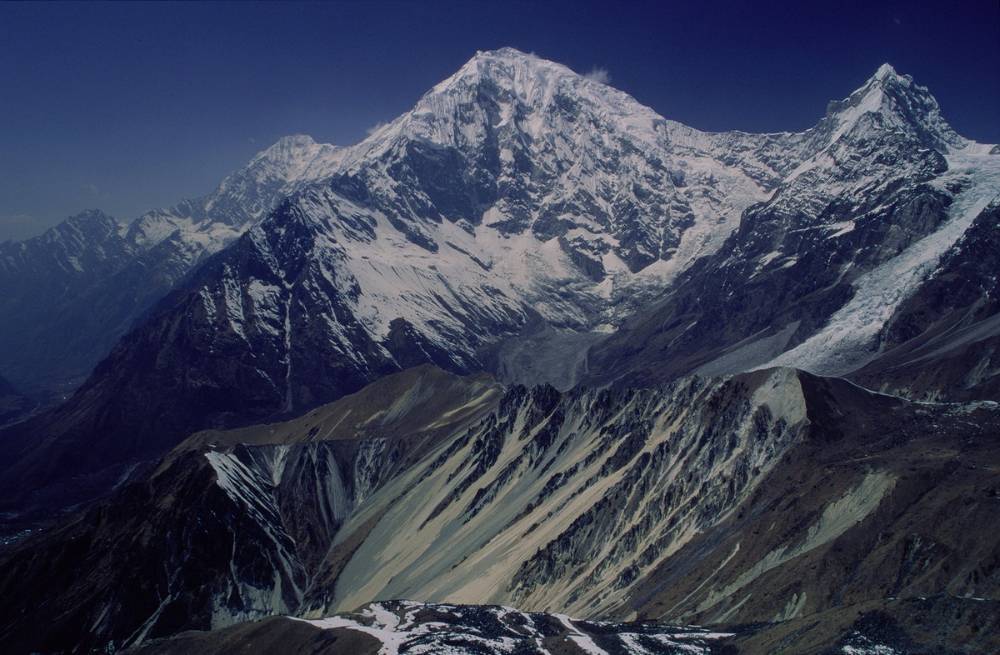
If you later decide you want to stand beneath these peaks, the views from Kala Patthar and Tengboche Monastery on the trek route are the ground-level version of what you see from the plane.
Where Should You Sit?
This is the question we get asked most. The short answer is that it matters less than you’d think.
Every passenger on a mountain flight is given a window seat, and the aircraft flies out with the mountains on one side and returns with them on the other. So everyone gets a turn. On the outbound leg, the mountains are usually on the left side of the plane, and on the way back they’re on the right. Seats towards the front, ahead of the propellers and wing, give you the cleanest view and photos without an engine in the frame.
On some flights, the cabin crew also invite passengers forward one at a time for a quick look through the cockpit window. It isn’t guaranteed, and it depends on the crew and the flight, but if it happens, have your camera ready. That straight-ahead view of Everest is the one people remember.
Photography Tips for the Mountain Flight
Shooting through a small, slightly scratched aeroplane window is harder than it sounds. A few things that help:
- Get close to the glass (without touching it) to cut out cabin reflections.
- Wear dark clothing. A bright jacket shows up as a ghostly smear in the window.
- Turn off the flash and use burst mode, because the aircraft vibrates.
- Put the camera down for a minute. We tell every guest this. Take your photos, then just look.
When Is the Best Time for an Everest Mountain Flight?
Mountain flights run all year, but your odds of clear views change a lot with the season.
- October to early December: The best window. The monsoon has washed the dust out of the air, skies are crisp, and visibility is often perfect. It’s also peak season, so book a few days ahead.
- December to February: Clear skies are common, but Kathmandu often has morning fog in winter, which can delay takeoffs for an hour or two. Once you’re up, views can be superb.
- March to May: Good flying, with rhododendrons blooming below. Haze builds up in late April and May, so earlier in spring is better.
- June to September: Monsoon season. Flights still operate on clear mornings, but cancellations are frequent, and cloud often hides the peaks.
Whatever the month, take the earliest departure you can. The air is calmest and clearest at sunrise, and clouds tend to build over the mountains as the day warms up. For a fuller picture of Nepal’s seasons, see our guide to the best time to visit and trek in Nepal.
What Happens If the Weather Is Bad?
The airlines won’t fly if the mountains are hidden. That’s frustrating in the moment, but it’s the right call, because there’s no point paying for an hour of cloud. If your flight is delayed, you wait at the terminal until conditions improve. If it’s cancelled, airlines generally offer either a seat on another morning or a refund.
Our advice is simple: don’t leave the mountain flight for your last morning in Nepal. Schedule it early in your trip so there’s at least one spare day to rebook if needed. When you book with us, we keep an eye on the forecast and move you to the next clear morning without any extra hassle on your side.
Mountain Flight vs Helicopter Tour vs Trekking
The mountain flight isn’t the only way to see Everest. Here’s how it compares with the other two options our guests usually weigh up.
| Mountain Flight | Helicopter Tour | EBC Trek | |
|---|---|---|---|
| Time needed | About 1 hour | 4 to 5 hours | 12 to 15 days |
| Approx. cost | USD 230 to 280 | Much higher, especially for private charters | Varies by package and comfort level |
| Do you land? | No | Yes, usually at Kala Patthar or a hotel with Everest views | You walk the whole way |
| Fitness needed | None | Low, but brief exposure to high altitude | Good fitness and acclimatisation |
| Best for | Short stays, families, older travellers, tight budgets | Special occasions and a closer, on-the-ground experience | Adventure, culture and the full Himalayan experience |
If you want to actually stand among the mountains for a few minutes, a helicopter tour to Everest Base Camp is the step up. If you’ve got the time and fitness, nothing beats walking on the Everest Base Camp Trek, passing through Namche Bazaar and Sherpa villages along the way. You can compare routes in our guide to the best Mount Everest treks. And for something in between, the shorter Everest Panorama Trek gives you close-up Everest views in about a week without going to extreme altitude.
Who Is the Everest Mountain Flight Best For?
It suits travellers with only a few days in Nepal, families with young children or elderly parents, anyone whose health rules out high-altitude trekking, and trekkers finishing a route elsewhere, such as the Langtang Valley Trek or Annapurna Base Camp Trek, who want to tick off Everest before flying home. If you’d rather meet Sherpa families and feel the mountains up close, read about Sherpa culture in the Everest region and consider a trek instead.
Is the Everest Mountain Flight Worth It?
For most people, yes. For about the price of a nice dinner for two back home, you get an hour beside several of the highest mountains on earth, with no training, no altitude risk, and no time lost from the rest of your holiday. Is it the same as standing at base camp? Of course not. But the moment Everest slides into view, black rock and white snow above everything around it, very few people are thinking about what they’re missing.
Still planning the wider trip? Our guides on whether Nepal is safe to visit and Nepal visa information cover the basics.
How to Book Your Everest Mountain Flight
You can book directly with the airlines, but most travellers find it easier to book through a local agency that includes transfers and handles any weather changes. With Nepal Footprint Holiday, you just tell us your preferred date, and we’ll confirm the earliest available departure, arrange your hotel pickup and keep you posted if the forecast looks doubtful. Have a look at our Everest mountain flight package or get in touch, and we’ll fit it neatly into the rest of your Nepal itinerary.
Frequently Asked Questions About the Everest Mountain Flight
How close does the mountain flight get to Everest?
The aircraft doesn’t fly over or around the summit. It flies parallel to the range and turns back near the Khumbu region, so Everest appears clearly but at a distance. Through the cockpit window, it looks surprisingly close.
Will I get altitude sickness on the mountain flight?
No. The cabin is pressurised like any commercial flight, so you won’t feel the effects of altitude at all. If you plan to trek afterwards, read our altitude sickness guide first.
Is a window seat guaranteed?
Yes. Mountain flights are configured so every passenger has a window seat, and you’ll get views on both the outbound and return legs.
Can children take the Everest mountain flight?
Yes. Children are welcome, and it’s one of the few ways young kids can see Everest. Child fares are usually lower, so ask when you book.
What should I bring?
Your passport, a charged camera or phone, and a light jacket for the early morning chill in Kathmandu.
Can I combine the mountain flight with sightseeing in Kathmandu?
Absolutely. You’ll be back by around 8 AM, which leaves plenty of time to visit the city’s heritage sites. Our list of top places to visit in Kathmandu is a good place to start planning.