

Understanding the peak climbing season in Nepal is the single most important planning decision you make before booking any Himalayan summit. Choose the right window and you climb with favorable weather and optimal conditions on your side. Choose the wrong one, however, and you face monsoon storms, dangerous snowfall, or extreme cold that makes even lower-altitude peaks very dangerous. Moreover, permit availability, climb logistics, and teahouse accommodation all shift significantly across the four seasons.
Nepal offers two main peak climbing seasons each year: spring climbing between March and May, and autumn climbing from September through November. Furthermore, some lower-altitude peaks remain climbable in winter, and a small number of experienced technical climbers attempt certain peaks during the post-monsoon shoulder period. This guide covers the best time to climb every major peak in Nepal with a full month-by-month breakdown and a complete interactive peak reference guide.
Why the Peak Climbing Season in Nepal Matters
Nepal sits deep in the Himalayas, where weather patterns shift dramatically with the monsoon cycle. Consequently, climbing conditions vary enormously across the calendar year. Specifically, the jet stream moves north in spring and south in autumn, creating two windows where wind speeds above the high peaks drop enough to make summiting feasible.
Between June and August, the monsoon brings continuous rain, snowfall at altitude, poor visibility, and avalanche risk. From December to February, on the other hand, extreme cold at high camps makes summit attempts life-threatening without specialist equipment. Therefore, timing your climb correctly determines both safety and summit success rate.
Spring Peak Climbing Season in Nepal: March to May
Spring stands as the most popular peak climbing season in Nepal for good reason. As the jet stream moves north in late February and early March, wind speeds across the upper Himalayas drop significantly. As a result, temperatures remain cold but manageable, and morning skies stay clear through most of April and May.
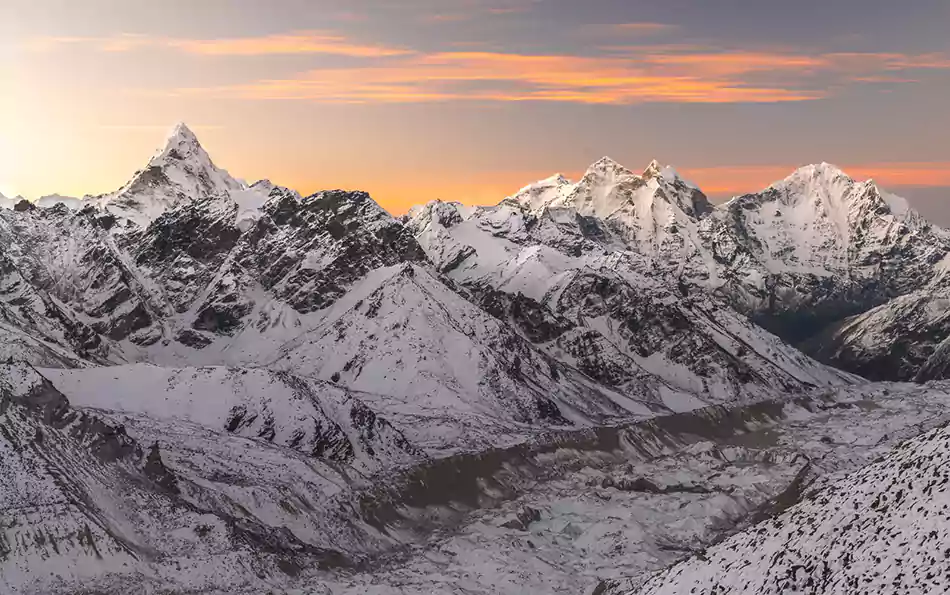
April and May are the peak months across most trekking routes. Specifically, April offers milder temperatures and fewer climbers on the summit. May, in contrast, delivers the most stable weather of the year and coincides with the main Everest expedition season, which adds a unique energy to the entire Khumbu region.
March works well for peaks below 6,000 metres. However, higher peaks still carry winter cold and residual wind. Mera Peak, Poon Hill, and approaches to Island Peak all work in March, but caution above 6,000 metres remains important.
Late May brings afternoon cloud buildup as the pre-monsoon period begins. Nevertheless, summit attempts still succeed but require earlier alpine starts and careful weather monitoring throughout the day.
The Nepal Tourism Board confirms spring as one of the two peak trekking and climbing seasons across all regions. Learn more at tourism.gov.np.
Autumn Peak Climbing Season in Nepal: September to November
Autumn delivers the second peak climbing season in Nepal and arguably the finest conditions for views and photography. After the monsoon ends in late September, the atmosphere clears completely. As a result, mountain visibility reaches its sharpest levels of the year, and the post-rain landscape looks extraordinarily vivid.
October consistently ranks as the single best climbing month across virtually every Nepal peak. Skies are crystal clear, temperatures are cold but stable, trails are dry, and weather windows remain reliable. Furthermore, October suits every peak from lower trekking peaks to full eight-thousander expeditions.
September offers excellent conditions from mid-month onwards once the monsoon fully clears. Trails are less busy than in October, making it ideal for climbers who prefer a quieter experience on the approach.
November remains excellent in the first two weeks. Nevertheless, temperatures drop sharply from mid-month onward, and snow accumulates on higher peaks. Mera Peak and Island Peak remain viable through November, but summit temperatures become genuinely severe by month’s end.
Winter and Monsoon: What to Avoid and What Works
Winter (December to February) closes most technical peaks above 6,000 metres to all but the most experienced cold-weather climbers. Temperatures at high camps regularly drop below minus 30 degrees Celsius. However, lower-altitude trekking peaks like Poon Hill and Australian Camp remain accessible. As a result, they offer a unique quiet-season experience with far fewer visitors on the trail.
Monsoon (June to August) presents the most dangerous conditions of the year for peak climbing in Nepal. Ground flooding, mudslides, and leech infestations appear on lower trails. Meanwhile, rapid snowfall accumulation makes high-altitude routes genuinely hazardous. Therefore, our team at Nepal Footprint Holiday strongly discourages any peak climbing during the monsoon period.
Peak Climbing Season in Nepal: Complete Interactive Peak Guide
6,476m · Khumbu region · Tallest trekking peak in Nepal
Best season
April to May, October to November
Best month
April (spring), October (autumn)
Technical skills
Basic crampons, glacier travel
Permit cost
USD 250 (spring), USD 125 (autumn)
6,189m · Khumbu region · Best Everest training peak
Best season
April to May, late Sep to November
Best month
May (spring), October (autumn)
Technical skills
Crampons, ice axe, fixed ropes
Permit cost
USD 250 (spring), USD 125 (autumn)
6,119m · Khumbu region · Often combined with EBC trek
Best season
April to May, October to November
Best month
May (spring), October (autumn)
Technical skills
Fixed ropes, crampons, ice axe
Permit cost
USD 250 (spring), USD 125 (autumn)
6,419m · Annapurna region · Popular Annapurna Circuit add-on
Best season
April to May, October to November
Best month
April to May, October
Technical skills
Crampons, fixed ropes, ice axe
Region
Annapurna Conservation Area
6,812m · Khumbu region · Nepal’s most prestigious trekking peak
Best season
Autumn (October to November) preferred
Best month
October to November
Technical skills
Advanced mixed climbing required
Note
Prior 6,000m+ experience essential
Cholatse
6,440m · Khumbu region · Near Gokyo Valley
Best season
April to May, October to November
Best month
April to May, October
Technical skills
Technical ice and mixed climbing
Note
Advanced mountaineers only
Singu Chuli (Fluted Peak)
6,501m · Annapurna region · Annapurna Sanctuary
Best season
April to May, October to November
Best month
May, October
Technical skills
Advanced technical climbing
Region
Annapurna Conservation Area
7,126m · Manaslu region · Nar Phu Valley approach
Best season
April to May, October to November
Best month
April to May, October
Technical skills
High-altitude experience required
Note
Remote area special permit needed
Tilicho Peak
7,134m · Annapurna region · Near world’s highest lake
Best season
April to May, October to November
Best month
May, October
Technical skills
Advanced high-altitude mountaineering
Note
Near Tilicho Lake, Annapurna Circuit
7,161m · Khumbu region · Visible from Everest Base Camp
Best season
April to May, October to November
Best month
May (spring), October (autumn)
Technical skills
Advanced mountaineering required
Note
Expedition-level experience needed
For full permit documentation, visit the Nepal Mountaineering Association at nepalmountaineering.org/documents-required-to-issue-permit.
Best Peaks by Experience Level
Choosing the right peak for your experience level matters as much as choosing the right season. Therefore, combining both factors before booking gives you the best foundation for a successful summit.
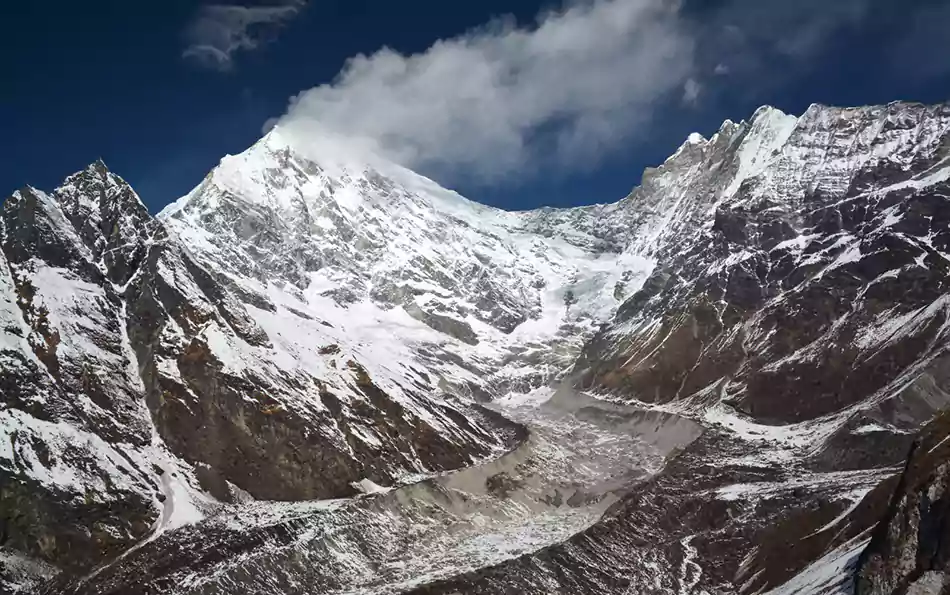
For first-time high-altitude climbers, Mera Peak at 6,476m stands as the most accessible starting point. It carries a relatively low technical barrier and requires only basic crampon technique and glacier travel. Additionally, the approach follows a straightforward route from Lukla, making it ideal for trekkers who have already completed a high-altitude route. Our Mera Peak Climbing page covers the full itinerary and package details.
For climbers ready for technical terrain, Island Peak at 6,189m delivers the best learning environment in the Khumbu. It combines fixed ropes, glacier travel, and a genuine technical summit push at an altitude that well-prepared beginners can achieve. Furthermore, Island Peak serves as the most widely accepted training peak for future Everest climbers. Our Island Peak Climbing guide has everything you need to prepare.
For experienced climbers seeking a step up, Lobuche East at 6,119m offers greater technical challenge and pairs naturally with the Everest Base Camp Trek in a single extended itinerary. Ama Dablam at 6,812m, on the other hand, represents the most prestigious of all Nepal’s trekking peaks and demands genuine alpine climbing experience before attempting.
For a complete overview of all options across every region and difficulty level, peak climbing in Nepal page covers the full portfolio.
Permits and Regulations for Peak Climbing in 2026
Nepal divides its climbable peaks into trekking peaks managed by the Nepal Mountaineering Association and expedition peaks managed by the Department of Tourism. Most peaks under 7,000 metres fall under NMA jurisdiction. Specifically, permit fees vary by season, with spring permits costing more than autumn permits on most peaks.
Island Peak costs USD 250 per person in spring and USD 125 in autumn. Mera Peak follows the same structure. Additionally, all Khumbu region peaks require the Sagarmatha National Park Entry Permit and the Khumbu Pasang Lhamu Rural Municipality Permit.
Nepal’s 2025 mandatory guide regulation applies to all peak climbing routes. Consequently, no climber may attempt any permitted peak without a licensed guide. Nepal Footprint Holiday assigns government-licensed certified climbing guides to every expedition. For the official permit document checklist, visit nepalmountaineering.org/documents-required-to-issue-permit.
Final Thoughts on Peak Climbing Season in Nepal
The peak climbing season in Nepal creates two exceptional windows each year. Together, spring and autumn cover roughly six months of reliable, safe climbing conditions. In conclusion, April, May, and October stand as the three finest individual months across virtually every peak in the country, combining stable weather, clear skies, and the highest possible summit success rates.
Whatever your experience level, Nepal has a peak that suits it. Start with Mera Peak for your first high-altitude summit, then progress to Island Peak for your first technical climb, and build from there toward the giants of the Himalayas.
📍
Plan your Nepal peak climbing expedition with Nepal Footprint Holiday, a Government of Nepal-registered and based in Kathmandu. Spring 2026 spots are filling now.