

The most unexplored places in Nepal for 2026 are Limi Valley, Saipal Base Camp, Api Nampa Conservation Area, Upper Dolpo, and Rara Lake — five remote destinations offering real Himalayan trekking without tourist crowds.
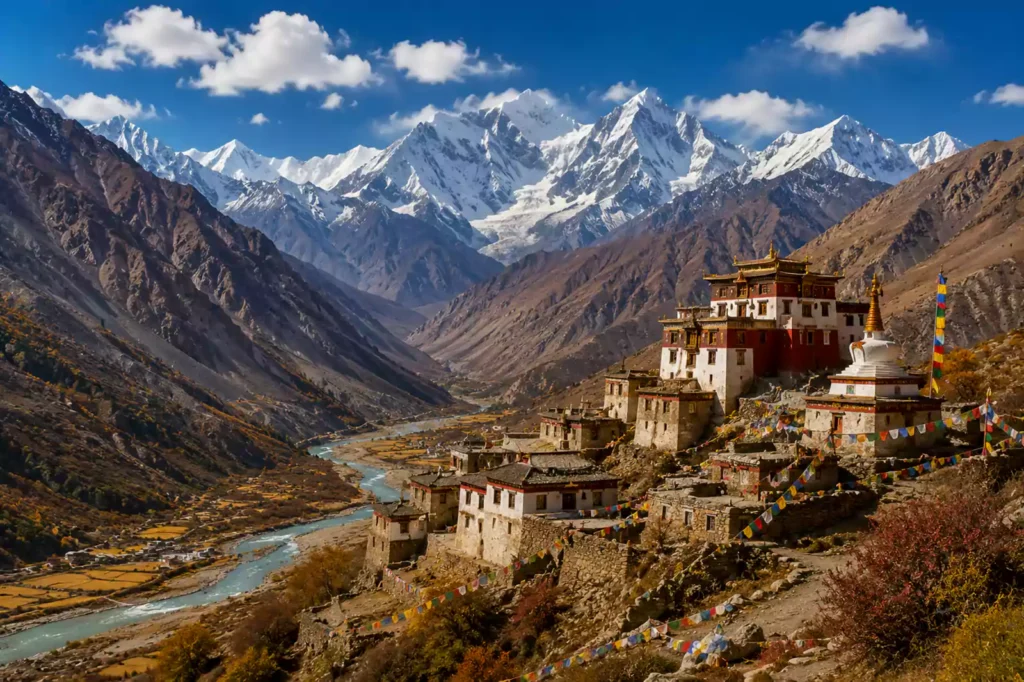
The most unexplored places in Nepal include Rara Lake, Upper Dolpo, Api Nampa Conservation Area, Saipal Base Camp, and Limi Valley. Everest Base Camp and the Annapurna Circuit are two popular routes in Nepal. However, many of Nepal’s trekking areas remain hidden and less known to the international trekking community.
These unexplored regions offer authentic and unique trekking experiences, beautiful landscapes, and solitude that is becoming rare on the more popular routes. We lead trekking groups in remote Nepal year-round. Therefore, we know which hidden destinations reward the effort of reaching them and which experience levels they suit. This guide highlights five destinations every serious adventurer should consider for 2026.
What Are the Most Unexplored Places in Nepal in 2026?
The five most unexplored places in Nepal in 2026 are Limi Valley, Saipal Base Camp, Api Nampa, Upper Dolpo, and Rara Lake. All five sit far from Nepal’s popular trekking corridors.
Most require restricted permits, licensed guides, and genuine commitment, as some routes are several days from the nearest roadhead. Consequently, these destinations preserve their unique wilderness, rich culture, and breathtaking mountain views without trekking crowds.
1. Limi Valley — Nepal’s Most Isolated Himalayan Kingdom
Limi Valley may be the most unexplored region in Nepal in 2026. It sits in the northwestern corner of the country near the Tibetan border. The lifestyle here has remained the same for centuries. Stone villages and stunning Himalayan scenery define the landscape.
Trekkers travel along historic salt trade routes and visit ancient monasteries. The Tibetan influence is strong and untouched by the rapid modernisation happening elsewhere in Nepal.
Limi Valley is part of a restricted-access region, which has aided its protection. Furthermore, Nepal’s 2025 regulations require all trekkers to be accompanied by a TAAN-licensed guide. Our remote area trekking overview covers local operator contacts and permit procedures in detail.
Limi Valley at a Glance
Insider Tips
- Fly Kathmandu to Simikot, then trek north — schedule the connection early as flights are unreliable
- Local food to try: tsampa (roasted barley flour) and butter tea, staples of the Himalayan northwest
- Carry all supplies from Simikot; resupply options above the lower villages are extremely limited
2. Saipal Base Camp — Far-West Nepal’s Forgotten Trek
Saipal Base Camp is a remote trek through villages and wilderness with little to no trekking traffic. There are no tea houses here, so trekkers must carry all gear and supplies. The Far-West terrain is distinct from the Sherpa culture of the east and the Tibetan-influenced north.
Most visitors to this area have strong wilderness trekking experience. Specifically, the unique culture of Far-West Nepal rewards culturally curious travelers with experiences unavailable on Nepal’s popular circuits. Fortunately, our well-connected local guide network in the far-west makes logistics far more manageable than attempting to plan the route independently.
Saipal Base Camp at a Glance
Insider Tips
- Travel to Dhangadhi in the Far-West Terai; allow two days of travel from Kathmandu
- Local food to try: dhido (buckwheat porridge) and gundruk (fermented greens), both far-western staples
- Bring a complete camping setup; there are no formal lodges above the lower villages
📍
Plan your remote Nepal trek with Nepal Footprint Holiday, Government of Nepal registered and based in Kathmandu.
3. Api Nampa Conservation Area — Nepal’s Hidden Trekking Treasure
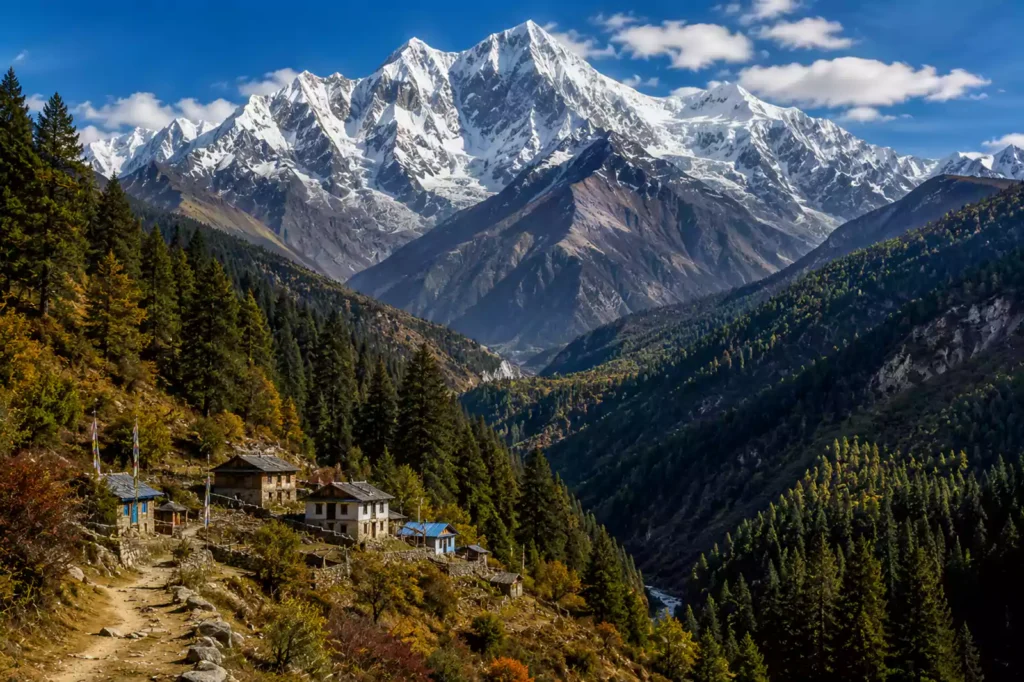
The Api Nampa Conservation Area is one of the most remote trekking areas among all the most unexplored places in Nepal. Api Himal stands at 7,132m and dominates the region. The area features rugged mountains, dense forests, and traditional villages untouched by mass tourism.
Api Nampa is one of the few places in Nepal that preserves genuine trekking solitude. In fact, it borders both India and Tibet, placing it in one of the most geographically remote corners of the country. The considerable travel time required to reach the trailhead filters out casual visitors entirely — which is precisely what keeps the experience intact for those who make it.
Api Nampa at a Glance
Insider Tips
- Access via Darchula town, reachable by road or flight from Dhangadhi
- Local food to try: roti with local wildflower honey — a must-try from the lower foothills
- Wildlife note: the conservation area harbors snow leopards, red pandas, and musk deer; early morning hours offer the best sightings
4. Upper Dolpo — The Ancient Kingdom Above the Clouds
Upper Dolpo is among the most unexplored places in Nepal with genuine international recognition. It offers ancient Tibetan Buddhist culture and high-altitude desert scenery. The Phoksundo Lake Trek leads to Shey Phoksundo Lake, one of the most stunning lakes in the Himalayas.
Because of its restricted status, Upper Dolpo sees just a handful of visitors a year. Its restricted access has preserved culture and landscapes more effectively than any conservation effort could. However, this means logistics must be planned well in advance. Our Upper Dolpo Trek covers the complete permit and logistics breakdown for 2026.
Peter Matthiessen’s book brought this region into the international spotlight. Nevertheless, statistics show that even quieter Nepal routes carry more trekkers than Upper Dolpo. Additionally, trekkers drawn to Tibetan culture often compare it with the Tsum Valley Trek as an alternative.
Upper Dolpo at a Glance
Insider Tips
- Fly Kathmandu to Juphal (Dolpa); flights are weather-dependent, so build extra travel days
- Local food to try: chhurpi (dried yak cheese) and chhaang (barley beer) in the high villages
- Book Upper Dolpo RAP well in advance; October demand regularly exceeds permit availability
5. Rara Lake — The Blue Beauty of Nepal
Rara Lake is often called the blue beauty of Nepal. Although it is the country’s largest lake and highly scenic, it remains one of the most unexplored places in Nepal. Located at 2,990m in Rara National Park in Mugu District, it is surrounded by pine forests and snow-capped peaks.
Trekkers who visit Rara experience the silence every hiker seeks but rarely finds on high-traffic routes. Our Rara Lake Trek includes the full route, accommodation options, park entry fees, and domestic flight details.
Rara Lake at a Glance
Insider Tips
- Fly Kathmandu to Talcha Airport — one of the most scenic short-haul flights in Nepal
- Local food to try: fresh lake fish available at tea houses along the shore
- Photography: sunrise from the eastern bank produces the clearest mirror reflections; arrive the night before for the best position
How Do These Most Unexplored Places in Nepal Compare?
The Nepal trekking overview lists all remote and restricted routes with difficulty ratings. Many trekkers combine one of these with the Kanchenjunga Base Camp Trek in a single Nepal expedition.
What You Need to Know Before Exploring the Most Unexplored Places in Nepal
Adventuring into Nepal’s most unexplored places requires more preparation than booking a standard trekking route. Therefore, consider the following before committing.
Special permits: All five destinations require special permits, most of which are arranged in Kathmandu before departure. For current official fees, visit the Nepal Tourism Board website. Our Nepal trekking permit guide covers all restricted zone costs.
Licensed guides: Nepal’s 2025 regulations require licensed guides for all restricted-area treks. Attempting these routes independently is illegal and poses serious safety risks given the remoteness of each destination.
Flight access: Limi Valley, Upper Dolpo, Rara Lake, and Saipal all need domestic flights to remote airstrips. Domestic flights in Nepal frequently cancel or are delayed. Build extra buffer days in. International visitors should also review Nepal visa requirements before booking.
Travel insurance: Comprehensive travel insurance is non-negotiable for all five destinations. Evacuation from remote western Nepal costs USD 5,000 to 12,000 without coverage. Although the cost is high, it is essential to be this far from medical infrastructure.
FAQ Schema: Most Unexplored Places in Nepal
Q: What is the most unexplored place in Nepal in 2026? Limi Valley in Humla District is considered the most unexplored place in Nepal in 2026. Its restricted permits, Tibetan border location, and ancient trade routes make it one of the rarest treks in the country. The valley preserves monasteries and a way of life unchanged for centuries.
Q: Which unexplored Nepal destinations require special permits? Limi Valley, Upper Dolpo, and Api Nampa all require Restricted Area Permits arranged in Kathmandu. Upper Dolpo has the highest permit cost at USD 500 for the first 10 days. All three require a government-licensed guide under Nepal’s 2025 trekking regulations.
Q: What is the best time to visit the most unexplored places in Nepal? October to November is best for most destinations — skies are clear after the monsoon and temperatures are stable at altitude. Limi Valley is the exception: June to September is the window because the approach is snow-blocked outside those months. Upper Dolpo and Rara Lake open from May onward.
Government of Nepal registered · Kathmandu-based · 10+ years guiding experience
The Window Is Open Now
The most unexplored places in Nepal are gradually changing. New road construction, evolving permit systems, and domestic flight routes are altering remote access. Places that feel remote today may carry tea houses every two hours by 2030.
In conclusion, the window for experiencing Limi Valley, Upper Dolpo, Rara Lake, and Nepal’s other hidden destinations is now — and it will not stay open indefinitely. Your search for the most unexplored places in Nepal starts here. Contact our Kathmandu team at Nepal Footprint Holiday and we will handle every permit, flight, and logistical detail for your 2026 Nepal expedition.