
Planning a trek in Upper Mustang, Manaslu, Upper Dolpo or another restricted region of Nepal? You need a special Restricted Area Permit (RAP) before entering the designated area.
For 2027 planning, the latest published Department of Immigration fee schedule lists 15 restricted-area permit categories. Fees vary by destination, trekking season and the number of days spent inside the restricted zone. Foreign trekkers must also arrange their permits through a registered trekking agency and travel with a licensed trekking guide.
One important change took place in March 2026. Individual foreign trekkers can now apply for restricted-area permits without finding a second foreign trekker. However, the agency and guide requirements remain in place.
This guide explains the latest published permit fees, current rules, application process and what to check before booking your trek.
Fee update: The amounts below are taken from the Department of Immigration’s published trekking route and permit fee schedule, checked on 14 November 2026. They are the latest published rates available for 2027 planning, not a guarantee that the government will not revise them before or during 2027.
Nepal Restricted Area Permit Fees for 2027
Nepal’s restricted-area permit fees depend on where you trek. Some areas charge a daily rate, while others charge by the week. A few destinations also have different rates during the main autumn season.
The following table summarises the Department of Immigration’s published rates.
Important: These fees apply to designated restricted areas and specified local administrative wards, not necessarily every part of the district. Your agency should check the exact route and permit category before calculating the total.
How much does a restricted-area permit cost?
The total depends on the destination and duration. For example:
- Upper Dolpo: The Department of Immigration’s published rate is USD 500 for the first 10 days. Two additional days would add USD 100.
- Manaslu: A seven-day permit is USD 100 per person from September to November, or USD 75 from December to August.
- Tsum Valley: A seven-day permit is USD 40 per person from September to November, or USD 30 from December to August.
These examples cover the restricted-area permit only. They do not include guide fees, accommodation, meals, transport, conservation-area permits or other trip expenses.
For a detailed route-specific breakdown, see our Upper Mustang permit cost guide and Manaslu Restricted Area Permit guide.
What Changed in Nepal’s Restricted Area Trekking Rules?
The Department of Immigration revised its restricted-area permit policy on 22 March 2026. The main change allows individual foreign trekkers to obtain permits without meeting the previous minimum group requirement.
However, this does not mean that independent, unguided trekking is allowed in restricted areas.
The current requirements include:
- Solo travellers can apply: One foreign trekker can obtain a restricted-area permit without joining another foreign trekker.
- A licensed guide is mandatory: Trekkers must be accompanied by a licensed trekking guide.
- A registered trekking agency is required: The permit application must be arranged through a registered trekking agency.
- One guide can lead up to seven trekkers: The current limit is a maximum of seven trekkers per guide.
- The agency is responsible for emergency arrangements: The facilitating agency has responsibility for rescue and logistical arrangements.
The revised policy applies to restricted areas across 13 districts, including Mustang, Dolpa, Gorkha and Manang.
Can you trek solo in Nepal’s restricted areas in 2027?
Yes. An individual foreign traveller can apply for a restricted-area permit under the revised policy introduced in March 2026.
However, solo trekking does not mean trekking without support. You still need to arrange the trip through a registered trekking agency and travel with a licensed guide. The agency must handle the permit and take responsibility for the required logistical and emergency arrangements.
If you are travelling alone, ask the agency for a clear quotation covering the guide, permit, accommodation, transport and other trip costs. A solo trek may cost more per person because you cannot share all the expenses with a group.
Which Areas Require a Restricted Area Permit in Nepal?
Nepal has designated certain border, mountain and culturally sensitive regions as restricted areas. Foreign trekkers need special permission to enter the specified locations.
The permit requirement depends on the exact route and administrative boundaries. Not every trekking route in the same district is automatically restricted.
Some of the main destinations include:
1. Upper Mustang
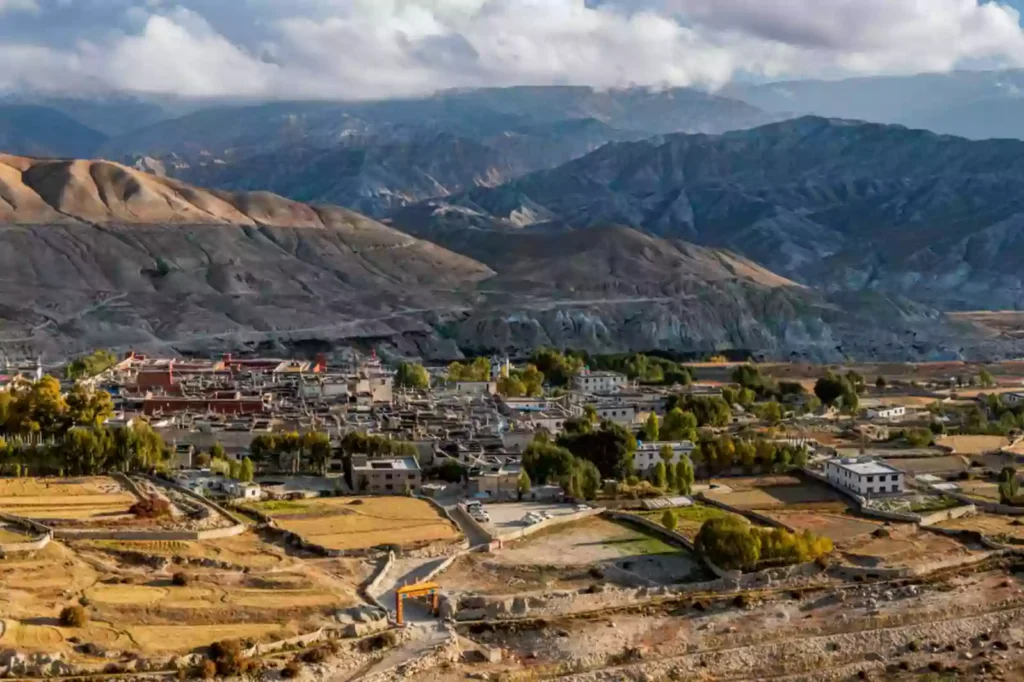
Upper Mustang is known for its dry Himalayan landscape, traditional settlements, monasteries and Tibetan-influenced culture. The restricted permit applies to designated parts of Lomanthang, Lo-Ghekar Damodarkunda and Baragung Muktichetra.
Read our Upper Mustang permit cost guide before planning your itinerary.
2. Manaslu Circuit
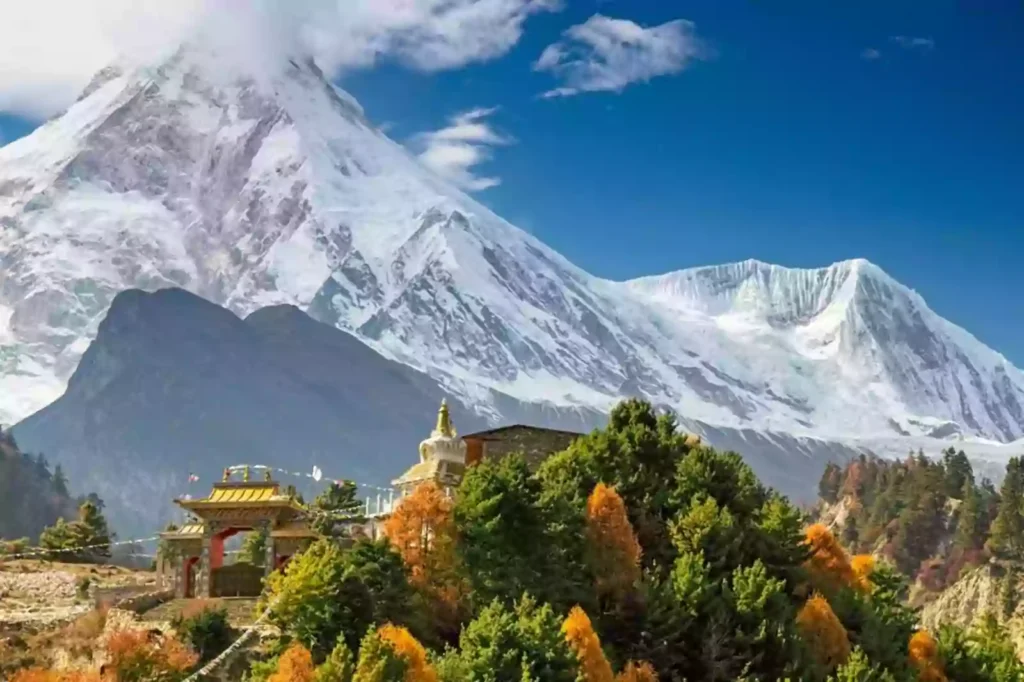
The restricted permit applies to specified wards of Chumnubri Rural Municipality in Gorkha. The fee changes according to the trekking season.
Trekkers also need to check the conservation-area permit requirements for the route. Read our Manaslu Restricted Area Permit guide for more details.
3. Tsum Valley
Tsum Valley lies in the northern part of Gorkha near the Tibetan border. Its restricted permit covers designated settlements, including Sirdibas, Lokpa, Chumling, Chekampar, Nile and Chule.
The permit rate differs between September to November and December to August.
4. Nar and Phu Valley
Nar and Phu are remote settlements in Manang. The restricted permit applies to designated wards of Narpa and Nasho Rural Municipalities.
Do not assume that the standard Annapurna trekking permit covers the Nar and Phu restricted areas. You need to arrange the applicable special permit.
5. Upper and Lower Dolpo
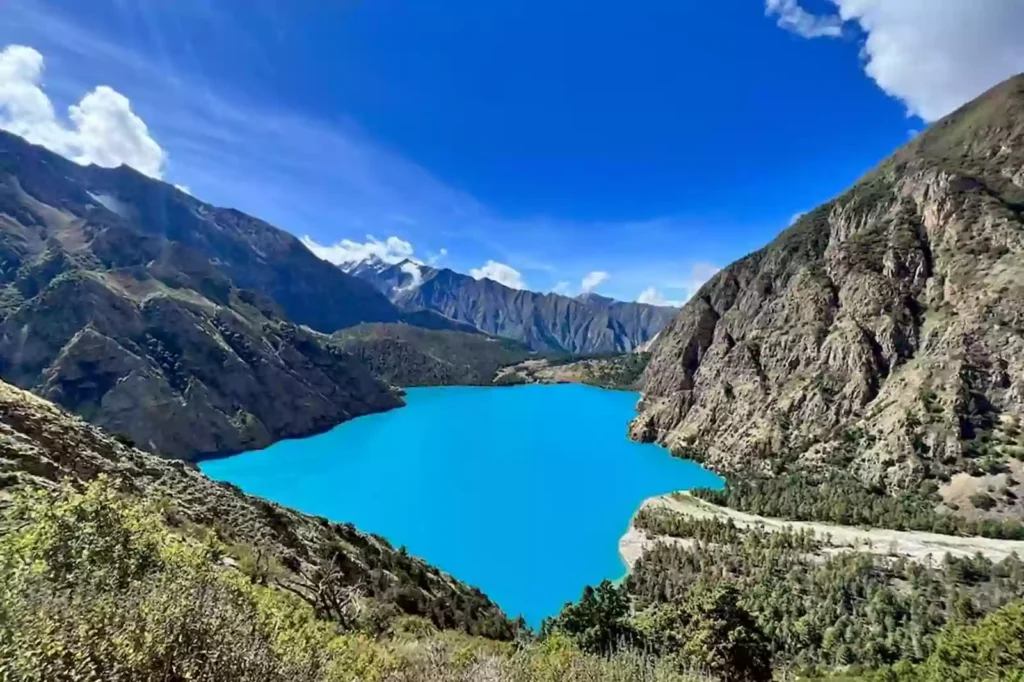
Dolpo has separate Upper Dolpo and Lower Dolpo permit categories. Their fees and covered administrative areas are different.
Upper Dolpo has a higher permit charge, while Lower Dolpo uses a weekly fee structure. Check the exact itinerary before applying because the two permit categories are not interchangeable.
6. Other Restricted Areas
The Department of Immigration’s fee schedule also includes designated areas in Humla, Taplejung, Dolakha, Sankhuwasabha, Solukhumbu, Rasuwa, Bajhang, Mugu and Darchula.
A trekker should not rely on the district name alone to decide whether a permit is needed. Confirm the wards and settlements on the planned route.
How to Apply for a Nepal Restricted Area Permit
Restricted-area permits are arranged through a registered trekking agency. Individual foreign trekkers cannot simply enter a restricted area and obtain permission at a checkpoint.
The usual process is as follows.
Step 1: Choose your trekking route
Decide which restricted area you want to visit and confirm the itinerary. The permit fee depends on the destination, season and number of days spent in the restricted zone.
Step 2: Contact a registered trekking agency
Choose a registered trekking agency that can arrange the permit and provide a licensed guide. Share your planned dates, group size and passport details.
Step 3: Prepare your documents
Your agency will explain the documents required for the current application system. These generally include:
- A valid passport
- A valid Nepal visa, where applicable
- Your visa number or visa application submission ID
- Trekking itinerary and travel details
- Required guide and agency information
Ask your agency to confirm the latest document requirements before submitting the application.
Step 4: Submit the permit application
The agency submits the application through the Department of Immigration’s online permit system. Foreign nationals already in Nepal can apply using their valid Nepal visa number. Applicants arranging the process from abroad may use an Application Submission ID for advance payment.
Step 5: Pay the permit fee and check the details
Pay the applicable permit fee through the process advised by your agency. Before departure, check that the permit has the correct personal details, route and dates.
Step 6: Carry the permit during the trek
Keep your permit with you throughout the journey. Immigration staff or police may ask to see it during the trek. You must follow the approved route and conditions stated on the permit.
Do Restricted Area Permits Include Other Trekking Permits?
No. A Restricted Area Permit does not automatically replace other permits required for a trekking route.
Depending on your destination, you may also need a conservation-area or national-park entry permit.
For general information, see our Nepal trekking permit guide.
The permits required depend on the full itinerary. Your trekking agency should check all applicable requirements before the trip begins.
What Should You Check Before Booking a Restricted Area Trek?
A permit is only one part of planning a remote trek. Before confirming your trip, check the following:
- Current permit fees: Government rates can change. Confirm the latest amount before payment.
- Exact permit coverage: Check whether every settlement on your route falls inside a restricted area.
- Guide arrangements: Confirm that your guide holds the required licence and that the group size follows the current limit.
- Agency registration: Ask which registered agency will submit the permit application.
- Travel insurance: Check that your policy covers trekking at the maximum altitude and emergency helicopter evacuation, if required.
- Transport and access: Remote roads, flights and trail conditions can change with weather and local conditions.
- Acclimatisation: Allow enough time to adjust to altitude, especially on routes with high passes and remote overnight stops.
Do not book flights or make non-refundable arrangements until the agency has checked the route, permit requirements and current access conditions.
Plan Your Restricted Area Trek in Nepal with a Local Agency
Restricted-area trekking requires more preparation than a standard teahouse trek. You need the correct permit, a licensed guide, a registered agency and a route plan that follows the current regulations.
At Nepal Footprint Holiday, we arrange trekking itineraries in Nepal’s remote regions, including Upper Mustang, Manaslu and other restricted destinations. We can help check the applicable permit requirements, organise a licensed guide and prepare the trip according to your dates and group size.
Frequently Asked Questions About Nepal Restricted Area Permits
1. How much does a Nepal Restricted Area Permit cost in 2027?
The cost depends on the destination and duration. The latest published Department of Immigration rates include USD 50 per person per day for Upper Mustang, USD 500 for the first 10 days in Upper Dolpo, and USD 75 to USD 100 per week for Manaslu, depending on the season. Confirm the applicable rate before payment because government schedules may change.
2. Can I trek alone in a restricted area in Nepal?
Yes. Since the policy revision on 22 March 2026, individual foreign trekkers can apply for restricted-area permits without finding a second foreign trekker. However, they must still arrange the trek through a registered agency and travel with a licensed guide.
3. Is a guide compulsory in restricted areas?
Yes. Foreign trekkers visiting Nepal’s restricted areas must be accompanied by a licensed trekking guide. The trip must also be arranged through a registered trekking agency. One guide can lead a maximum of seven trekkers under the revised policy.
4. Can I apply for a restricted-area permit myself?
No. The permit must be arranged through a registered trekking agency. The agency submits the application through the Department of Immigration’s permit system and coordinates the required guide and trip arrangements.
5. Can I apply for a restricted-area permit before arriving in Nepal?
The revised application process allows foreign nationals to begin the process from abroad using an Application Submission ID. Travellers already in Nepal can use their valid Nepal visa number. Contact your trekking agency to confirm the current procedure and payment requirements.
6. Is a Restricted Area Permit the same as ACAP or MCAP?
No. A Restricted Area Permit gives permission to enter designated restricted zones. ACAP and MCAP are conservation-area entry permits. Some trekking routes require more than one type of permit, depending on the itinerary.
7. Does the Manaslu permit fee change by season?
Yes. The published Manaslu fee is USD 100 per person per week from September to November and USD 75 per person per week from December to August. Additional-day charges also apply after the first week.
8. Do children need a restricted-area permit?
Permit requirements can depend on the traveller’s nationality, age and the applicable government rules. Do not assume that children are exempt. Ask your trekking agency to confirm the current requirement for every person travelling in the group.
Final Advice on Nepal Restricted Area Permits
Nepal Restricted Area Permits are an essential part of planning a trek in the country’s remote mountain regions.
The March 2026 changes have made it easier for individual foreign travellers to visit restricted destinations. However, agency arrangements, licensed guides and the correct permits remain necessary.
Before booking, check the latest Department of Immigration fee schedule. Do not rely on old articles for Upper Mustang or assume that fee changes apply equally to Upper Dolpo and other regions.
If you are planning a restricted-area trek, our team at Nepal Footprint Holiday can help you understand the permit requirements, plan your itinerary and arrange the necessary local support.
For permit and itinerary assistance, contact Nepal Footprint Holiday.
About the Author
Bashu Dev Thapaliya is the Founder and Director of Nepal Footprint Holiday. He has worked in Himalayan trekking and mountain biking since 1999, guiding and organizing journeys across Nepal, Tibet and Bhutan. He is an active member of TAAN and the Nepal Mountaineering Association.
Read more about Bashu Dev Thapaliya.